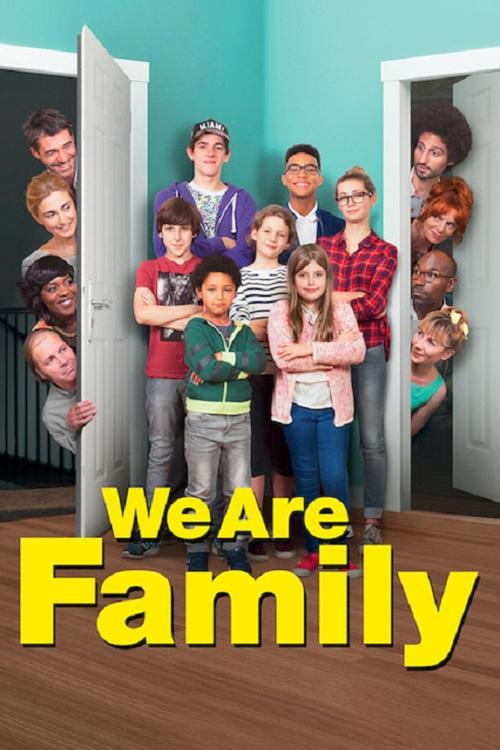
We Are Family
Thirteen-year-old Bastien is the center of a reconstructed family: six half-brothers and sisters, eight "parents," and as many houses. His tasks within the family are far more complex than what he has to do at school. But enough's enough: the children decide to wage a revolution and turn the rules upside down. All together, they squat a large apartment and now it'll be up to the parents to come to them!
The film earned $5.9M at the global box office.
Plot Structure
Story beats plotted across runtime


Narrative Arc
Emotional journey through the story's key moments
Story Circle
Blueprint 15-beat structure
Structural Analysis
The Status Quo at 1 minutes (1% through the runtime) establishes We meet the protagonist in their established life, showing the existing family dynamic and daily routines before the major disruption that will challenge everything they know about family.. The analysis reveals that this early placement immediately immerses viewers in the story world.
The inciting incident occurs at 12 minutes when The announcement or event that forces the two families to come together - perhaps a wedding announcement, a move-in decision, or circumstances that demand the blended family to coexist under one roof.. At 12% through the film, this Disruption aligns precisely with traditional story structure. This beat shifts the emotional landscape, launching the protagonist into the central conflict.
The First Threshold at 25 minutes marks the transition into Act II, occurring at 25% of the runtime. This demonstrates the protagonist's commitment to The family makes the committed choice to truly try living as one unit - moving in together, committing to shared holidays, or making another irreversible decision that launches them into their new blended reality., moving from reaction to action.
At 50 minutes, the Midpoint arrives at 50% of the runtime—precisely centered, creating perfect narrative symmetry. The analysis reveals that this crucial beat A false victory moment where the family appears to have found their rhythm - a successful shared event, holiday, or celebration that makes everyone believe they've figured out how to be a family together., fundamentally raising what's at risk. The emotional intensity shifts, dividing the narrative into clear before-and-after phases.
The Collapse moment at 74 minutes (75% through) represents the emotional nadir. Here, The family unit appears to fall apart completely - a major fight, a child running away or declaring they want to live with the other parent, or a crisis that makes the blended family experiment seem like a failure., demonstrates the protagonist at their lowest point. This beat's placement in the final quarter sets up the climactic reversal.
The Second Threshold at 79 minutes initiates the final act resolution at 80% of the runtime. A revelation or moment of clarity - often sparked by a child's insight or a crisis that requires everyone to work together - shows the family what they truly mean to each other and sparks reconciliation., demonstrating the transformation achieved throughout the journey.
Emotional Journey
We Are Family's emotional architecture traces a deliberate progression across 15 carefully calibrated beats.
Narrative Framework
This structural analysis employs a 15-point narrative structure framework that maps key story moments. By mapping We Are Family against these established plot points, we can identify how Gabriel Julien-Laferrière utilizes or subverts traditional narrative conventions. The plot point approach reveals not only adherence to structural principles but also creative choices that distinguish We Are Family within the comedy genre.
Comparative Analysis
Additional comedy films include The Bad Guys, Ella Enchanted and The Evening Star.
Plot Points by Act
Act I
SetupStatus Quo
We meet the protagonist in their established life, showing the existing family dynamic and daily routines before the major disruption that will challenge everything they know about family.
Theme
A supporting character articulates the film's central theme about what truly makes a family - that family isn't just about blood relations but about the bonds we choose to create and nurture.
Worldbuilding
The film establishes the separate worlds of the two families that will eventually merge, introducing the key characters, their personalities, quirks, and the existing tensions within each household.
Disruption
The announcement or event that forces the two families to come together - perhaps a wedding announcement, a move-in decision, or circumstances that demand the blended family to coexist under one roof.
Resistance
The families debate and resist the new arrangement. Children from both sides express reluctance, territorial behavior emerges, and the parents try to mediate while questioning if they can make this work.
Act II
ConfrontationFirst Threshold
The family makes the committed choice to truly try living as one unit - moving in together, committing to shared holidays, or making another irreversible decision that launches them into their new blended reality.
Mirror World
A subplot emerges focusing on the developing relationship between step-siblings or the romantic relationship between the parents, showing how genuine connection forms despite initial resistance.
Premise
The fun of the premise unfolds - the comedic chaos of blended family life, culture clashes, competing traditions, awkward bonding attempts, and the small victories as family members begin to connect.
Midpoint
A false victory moment where the family appears to have found their rhythm - a successful shared event, holiday, or celebration that makes everyone believe they've figured out how to be a family together.
Opposition
Underlying tensions resurface with greater intensity. Old loyalties conflict with new bonds, jealousy emerges, ex-spouses or extended family complicate matters, and the cracks in the blended family begin to show.
Collapse
The family unit appears to fall apart completely - a major fight, a child running away or declaring they want to live with the other parent, or a crisis that makes the blended family experiment seem like a failure.
Crisis
The dark aftermath of the collapse. Family members retreat to their corners, the parents question their relationship, and everyone mourns the loss of what they were beginning to build together.
Act III
ResolutionSecond Threshold
A revelation or moment of clarity - often sparked by a child's insight or a crisis that requires everyone to work together - shows the family what they truly mean to each other and sparks reconciliation.
Synthesis
The family reunites with new understanding. They work together to resolve the final conflict, each member contributing their unique strengths, proving they've become a true family through choice and love.
Transformation
The final image shows the transformed family - no longer two separate units awkwardly merged, but a genuine, unified family that has chosen each other. The closing mirrors the opening but with warmth replacing tension.