We Are the Nobles
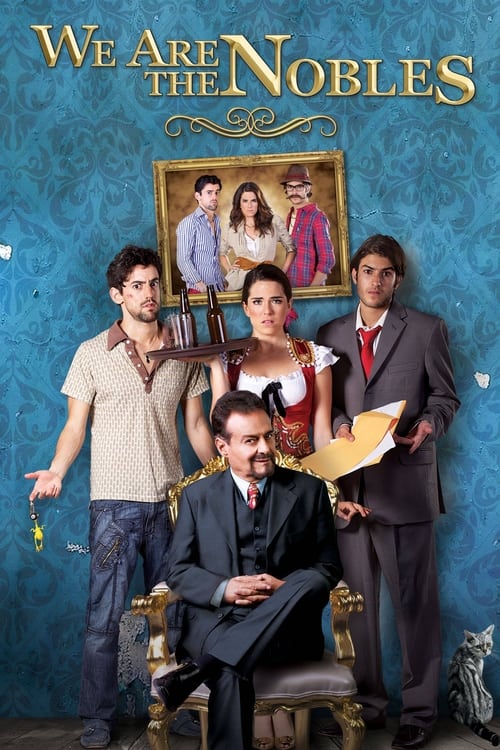
Tells the "riches to rags" story of the Nobles, three upper-class twenty-somethings that appear to have no limits to their checkbooks, and no direction in their lives. Until one day, their father tries to teach them a lesson by staging a financial scandal that forces the whole family to escape to an old house in the poor side of town, and leads the "kids" to do what they haven't done before: get jobs.
Despite its tight budget of $2.0M, We Are the Nobles became a box office phenomenon, earning $26.4M worldwide—a remarkable 1222% return. The film's bold vision connected with viewers, confirming that strong storytelling can transcend budget limitations.

Plot Structure
Story beats plotted across runtime


Narrative Arc
Emotional journey through the story's key moments
Story Circle
Blueprint 15-beat structure
Arcplot Score Breakdown
Weighted: Precision (70%) + Arc (15%) + Theme (15%)
We Are the Nobles (2013) showcases meticulously timed dramatic framework, characteristic of Gary Alazraki's storytelling approach. This structural analysis examines how the film's 15-point plot structure maps to proven narrative frameworks across 1 hour and 48 minutes. With an Arcplot score of 7.5, the film showcases strong structural fundamentals.
Structural Analysis
The Status Quo at 1 minutes (1% through the runtime) establishes The Noble family lives in luxurious excess - Germán and his three spoiled adult children Javi, Bárbara, and Ché enjoy their wealthy lifestyle without responsibility or work.. Significantly, this early placement immediately immerses viewers in the story world.
The inciting incident occurs at 13 minutes when Germán discovers his children have pushed too far - their reckless behavior and complete lack of responsibility forces him to take drastic action. He decides to stage financial ruin to teach them a lesson.. At 12% through the film, this Disruption aligns precisely with traditional story structure. This beat shifts the emotional landscape, launching the protagonist into the central conflict.
The First Threshold at 27 minutes marks the transition into Act II, occurring at 25% of the runtime. This shows the protagonist's commitment to The family is evicted from their mansion and forced to move into a poor neighborhood. The children must now actively live in poverty - this is their point of no return into a new world., moving from reaction to action.
At 54 minutes, the Midpoint arrives at 50% of the runtime—precisely centered, creating perfect narrative symmetry. Structural examination shows that this crucial beat False victory - the children are actually adapting and finding success in their new lives. They're developing real skills, work ethic, and genuine relationships. What started as punishment is becoming transformation., fundamentally raising what's at risk. The emotional intensity shifts, dividing the narrative into clear before-and-after phases.
The Collapse moment at 81 minutes (75% through) represents the emotional nadir. Here, The truth is revealed - the children discover their father's deception. They feel betrayed and humiliated. The genuine growth and relationships they've built now feel tainted by lies. Trust is shattered., shows the protagonist at their lowest point. This beat's placement in the final quarter sets up the climactic reversal.
The Second Threshold at 86 minutes initiates the final act resolution at 80% of the runtime. The children realize that despite the deception, the growth they experienced was real. They choose to embrace the values they learned rather than return to their old spoiled ways. Germán and children reconcile., demonstrating the transformation achieved throughout the journey.
Emotional Journey
We Are the Nobles's emotional architecture traces a deliberate progression across 15 carefully calibrated beats.
Narrative Framework
This structural analysis employs systematic plot point analysis that identifies crucial turning points. By mapping We Are the Nobles against these established plot points, we can identify how Gary Alazraki utilizes or subverts traditional narrative conventions. The plot point approach reveals not only adherence to structural principles but also creative choices that distinguish We Are the Nobles within the comedy genre.
Comparative Analysis
Additional comedy films include The Ministry of Ungentlemanly Warfare, The Bad Guys and Lake Placid.
Plot Points by Act
Act I
SetupStatus Quo
The Noble family lives in luxurious excess - Germán and his three spoiled adult children Javi, Bárbara, and Ché enjoy their wealthy lifestyle without responsibility or work.
Theme
Peter (the family assistant) or another character mentions that the children don't understand the value of hard work or what their father has built - hinting at the need for humility and self-reliance.
Worldbuilding
Establishment of the Noble family dynamics: Javi's partying lifestyle, Bárbara's shallow engagement to a politician, Ché's laziness and fake college attendance. Germán struggles to manage his spoiled children while running his business empire.
Disruption
Germán discovers his children have pushed too far - their reckless behavior and complete lack of responsibility forces him to take drastic action. He decides to stage financial ruin to teach them a lesson.
Resistance
Germán enlists Peter and others to help execute his plan. The children initially don't believe they've lost everything, resistant to accepting their new reality. The elaborate deception is set in motion.
Act II
ConfrontationFirst Threshold
The family is evicted from their mansion and forced to move into a poor neighborhood. The children must now actively live in poverty - this is their point of no return into a new world.
Mirror World
The children begin interacting with working-class neighbors and potential love interests who represent authentic values - hard work, genuine relationships, and dignity without wealth.
Premise
Fish-out-of-water comedy as the spoiled Noble children attempt working-class jobs and navigate poverty. Javi sells cars, Bárbara works as a secretary, Ché does manual labor. Humorous failures and small victories as they adapt.
Midpoint
False victory - the children are actually adapting and finding success in their new lives. They're developing real skills, work ethic, and genuine relationships. What started as punishment is becoming transformation.
Opposition
The children continue to grow and change, becoming better people. Meanwhile, Germán begins to feel guilty about the deception. Tensions rise as the children get closer to discovering the truth. Their old lives start calling back.
Collapse
The truth is revealed - the children discover their father's deception. They feel betrayed and humiliated. The genuine growth and relationships they've built now feel tainted by lies. Trust is shattered.
Crisis
The family fractures. The children are angry and hurt. Germán realizes his plan may have backfired. Everyone must confront whether the lessons learned were real or just part of the manipulation.
Act III
ResolutionSecond Threshold
The children realize that despite the deception, the growth they experienced was real. They choose to embrace the values they learned rather than return to their old spoiled ways. Germán and children reconcile.
Synthesis
The family reunites with new understanding. The children maintain their new work ethic and values while returning to their wealth. They repair relationships with the people they met during their "poverty" and prove their transformation is genuine.
Transformation
Final image shows the Noble family together, still wealthy but fundamentally changed - working, contributing, appreciating what they have, and treating others with respect regardless of class. They are no longer "nobles" by entitlement but by character.