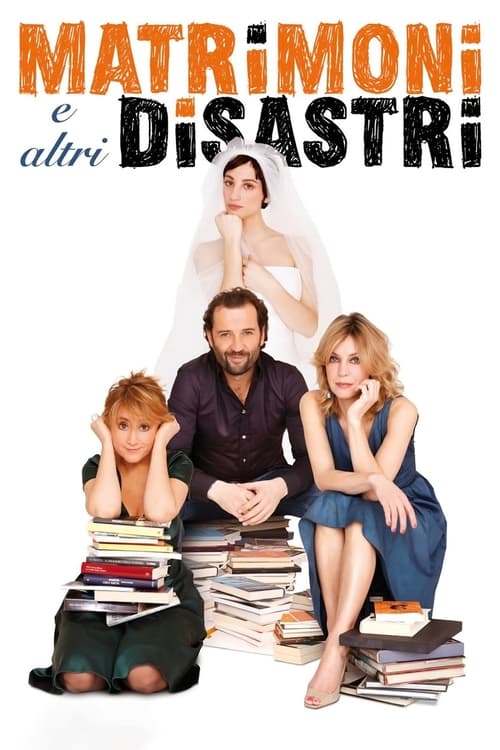
Weddings and Other Disasters
A single, independent woman finds herself organizing her sister's wedding with the help of her future brother-in-law.
The film earned $4.8M at the global box office.
Plot Structure
Story beats plotted across runtime


Narrative Arc
Emotional journey through the story's key moments
Story Circle
Blueprint 15-beat structure
Arcplot Score Breakdown
Weighted: Precision (70%) + Arc (15%) + Theme (15%)
Weddings and Other Disasters (2010) exhibits precise story structure, characteristic of Nina Di Majo's storytelling approach. This structural analysis examines how the film's 15-point plot structure maps to proven narrative frameworks across 1 hour and 42 minutes. With an Arcplot score of 7.5, the film showcases strong structural fundamentals.
Structural Analysis
The Status Quo at 1 minutes (1% through the runtime) establishes Opening image establishes protagonist's life in wedding industry, showing routine and what's missing in their personal life.. Structural examination shows that this early placement immediately immerses viewers in the story world.
The inciting incident occurs at 12 minutes when Wedding disaster occurs or protagonist faces major professional/personal crisis that disrupts their comfortable routine.. At 12% through the film, this Disruption aligns precisely with traditional story structure. This beat shifts the emotional landscape, launching the protagonist into the central conflict.
The First Threshold at 26 minutes marks the transition into Act II, occurring at 25% of the runtime. This demonstrates the protagonist's commitment to Protagonist makes active choice to take on challenge, accept new client, or pursue romantic interest despite risks., moving from reaction to action.
At 51 minutes, the Midpoint arrives at 50% of the runtime—precisely centered, creating perfect narrative symmetry. Of particular interest, this crucial beat False victory: big wedding succeeds, romantic relationship reaches high point, or protagonist achieves apparent goal but stakes raise., fundamentally raising what's at risk. The emotional intensity shifts, dividing the narrative into clear before-and-after phases.
The Collapse moment at 77 minutes (75% through) represents the emotional nadir. Here, Major wedding disaster occurs or relationship falls apart; protagonist's world collapses, losing what matters most., reveals the protagonist at their lowest point. This beat's placement in the final quarter sets up the climactic reversal.
The Second Threshold at 82 minutes initiates the final act resolution at 80% of the runtime. Realization or new information synthesizes lessons learned; protagonist sees how to combine professional skills with authentic emotional truth., demonstrating the transformation achieved throughout the journey.
Emotional Journey
Weddings and Other Disasters's emotional architecture traces a deliberate progression across 15 carefully calibrated beats.
Narrative Framework
This structural analysis employs structural analysis methodology used to understand storytelling architecture. By mapping Weddings and Other Disasters against these established plot points, we can identify how Nina Di Majo utilizes or subverts traditional narrative conventions. The plot point approach reveals not only adherence to structural principles but also creative choices that distinguish Weddings and Other Disasters within the comedy genre.
Comparative Analysis
Additional comedy films include The Ministry of Ungentlemanly Warfare, The Bad Guys and Lake Placid.
Plot Points by Act
Act I
SetupStatus Quo
Opening image establishes protagonist's life in wedding industry, showing routine and what's missing in their personal life.
Theme
A character states the thematic question about love, commitment, or the difference between planning perfect weddings versus living authentic relationships.
Worldbuilding
Setup of protagonist's world: their work in weddings, relationships with colleagues, recurring clients, and personal romantic status.
Disruption
Wedding disaster occurs or protagonist faces major professional/personal crisis that disrupts their comfortable routine.
Resistance
Protagonist debates how to handle the crisis, receives advice from mentor/friend, resists change while preparing for new approach.
Act II
ConfrontationFirst Threshold
Protagonist makes active choice to take on challenge, accept new client, or pursue romantic interest despite risks.
Mirror World
Introduction or deepening of romantic subplot/relationship that will teach protagonist what they truly need.
Premise
Fun exploration of premise: wedding planning montages, romantic development, comedic mishaps, professional challenges handled with new perspective.
Midpoint
False victory: big wedding succeeds, romantic relationship reaches high point, or protagonist achieves apparent goal but stakes raise.
Opposition
Complications intensify: professional demands conflict with personal life, romantic misunderstandings grow, protagonist's flaws create problems.
Collapse
Major wedding disaster occurs or relationship falls apart; protagonist's world collapses, losing what matters most.
Crisis
Dark night: protagonist processes loss, questions choices, confronts what they've been avoiding about themselves.
Act III
ResolutionSecond Threshold
Realization or new information synthesizes lessons learned; protagonist sees how to combine professional skills with authentic emotional truth.
Synthesis
Finale: protagonist executes plan to save wedding/relationship, demonstrates growth, resolves conflicts with new understanding.
Transformation
Final image mirrors opening but shows transformation: protagonist now integrates professional excellence with personal authenticity.