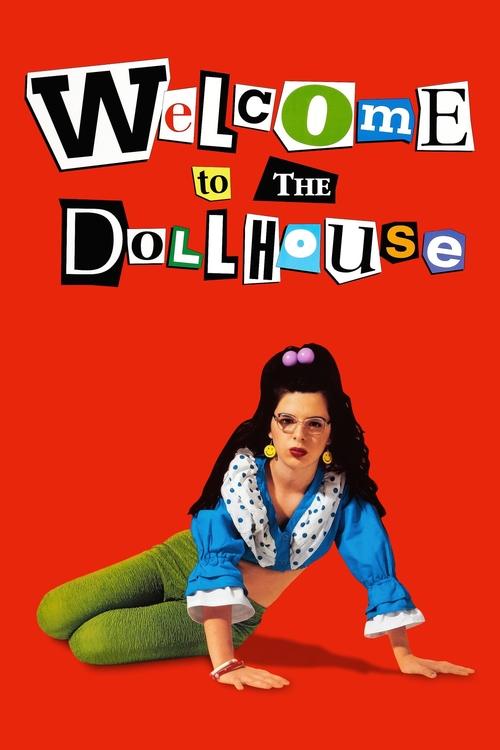
Welcome to the Dollhouse
An unattractive 7th grader struggles to cope with suburban life as the middle child with inattentive parents and bullies at school.
Despite its extremely modest budget of $800K, Welcome to the Dollhouse became a commercial juggernaut, earning $5.0M worldwide—a remarkable 529% return. The film's unconventional structure found its audience, illustrating how strong storytelling can transcend budget limitations.
4 wins & 17 nominations


Plot Structure
Story beats plotted across runtime


Narrative Arc
Emotional journey through the story's key moments
Story Circle
Blueprint 15-beat structure
Structural Analysis
The Status Quo at 1 minutes (1% through the runtime) establishes Dawn Wiener sits alone in the junior high cafeteria, hunched over her lunch tray, already an outcast in her world of suburban New Jersey adolescence.. The analysis reveals that this early placement immediately immerses viewers in the story world.
The inciting incident occurs at 11 minutes when Brandon McCarthy, the school's resident tough guy, threatens Dawn with rape after she refuses to let him cheat off her test - "Tomorrow, 3 o'clock, I'm gonna rape you.".. At 12% through the film, this Disruption aligns precisely with traditional story structure. This beat shifts the emotional landscape, launching the protagonist into the central conflict.
The First Threshold at 22 minutes marks the transition into Act II, occurring at 25% of the runtime. This shows the protagonist's commitment to Dawn shows up to meet Brandon at 3 o'clock, choosing to confront rather than flee. Instead of violence, they share an awkward connection, and Dawn begins her misguided pursuit of Brandon's attention as a form of acceptance., moving from reaction to action.
At 44 minutes, the Midpoint arrives at 50% of the runtime—precisely centered, creating perfect narrative symmetry. Structural examination shows that this crucial beat Dawn invites Steve to her house under false pretenses, but he's only interested in Missy, asking the little girl to be in his band's music video. Dawn's romantic fantasy collapses as she realizes she's invisible even to her crush., fundamentally raising what's at risk. The emotional intensity shifts, dividing the narrative into clear before-and-after phases.
The Collapse moment at 66 minutes (75% through) represents the emotional nadir. Here, Missy is kidnapped (or runs away) and Dawn is blamed by her hysterical mother for wishing her sister would disappear. Dawn's metaphorical death: she's lost everything - family, friends, and any hope of belonging., demonstrates the protagonist at their lowest point. This beat's placement in the final quarter sets up the climactic reversal.
The Second Threshold at 70 minutes initiates the final act resolution at 80% of the runtime. Dawn finds Brandon, who reveals he's running away to New York, and asks her to come with him. She must choose between escape from her painful life or facing the consequences of her reality., demonstrating the transformation achieved throughout the journey.
Emotional Journey
Welcome to the Dollhouse's emotional architecture traces a deliberate progression across 15 carefully calibrated beats.
Narrative Framework
This structural analysis employs proven narrative structure principles that track dramatic progression. By mapping Welcome to the Dollhouse against these established plot points, we can identify how Todd Solondz utilizes or subverts traditional narrative conventions. The plot point approach reveals not only adherence to structural principles but also creative choices that distinguish Welcome to the Dollhouse within the comedy genre.
Comparative Analysis
Additional comedy films include The Bad Guys, Ella Enchanted and The Evening Star.
Plot Points by Act
Act I
SetupStatus Quo
Dawn Wiener sits alone in the junior high cafeteria, hunched over her lunch tray, already an outcast in her world of suburban New Jersey adolescence.
Theme
Lolita tells Dawn "You think you're so special" - establishing the theme that Dawn's desperate need for acceptance and significance will define her painful journey through adolescence.
Worldbuilding
Dawn's world is established: the hostile junior high where she's called "Wienerdog," her dysfunctional family that favors younger sister Missy, and her only refuge in the "Special People Club" with her nerdy friend Ralphie.
Disruption
Brandon McCarthy, the school's resident tough guy, threatens Dawn with rape after she refuses to let him cheat off her test - "Tomorrow, 3 o'clock, I'm gonna rape you."
Resistance
Dawn grapples with Brandon's threat while navigating her hostile home environment. Her parents announce Missy's ballet recital will use Dawn's Special People Club space, and Dawn must decide how to face Brandon.
Act II
ConfrontationFirst Threshold
Dawn shows up to meet Brandon at 3 o'clock, choosing to confront rather than flee. Instead of violence, they share an awkward connection, and Dawn begins her misguided pursuit of Brandon's attention as a form of acceptance.
Mirror World
Dawn meets Steve Rodgers, her brother Mark's handsome bandmate, and develops an instant infatuated crush - he represents everything she desires: coolness, acceptance, and romantic possibility.
Premise
Dawn pursues dual fantasies of acceptance: her confusing pseudo-relationship with Brandon (who alternates between threats and vulnerable moments) and her hopeless crush on Steve, all while suffering escalating humiliation at school and home.
Midpoint
Dawn invites Steve to her house under false pretenses, but he's only interested in Missy, asking the little girl to be in his band's music video. Dawn's romantic fantasy collapses as she realizes she's invisible even to her crush.
Opposition
Dawn's life spirals: she torments Missy out of jealousy, Brandon rejects her after she pathetically offers herself to him, her parents further marginalize her for Missy's recital, and her only friend Ralphie is beaten by bullies she failed to help.
Collapse
Missy is kidnapped (or runs away) and Dawn is blamed by her hysterical mother for wishing her sister would disappear. Dawn's metaphorical death: she's lost everything - family, friends, and any hope of belonging.
Crisis
Dawn searches for Missy alone in the dark streets while her family falls apart. She confronts her own cruelty toward her sister and the consequences of her desperate attempts to matter to anyone.
Act III
ResolutionSecond Threshold
Dawn finds Brandon, who reveals he's running away to New York, and asks her to come with him. She must choose between escape from her painful life or facing the consequences of her reality.
Synthesis
Missy is found and returned safely. Dawn does not run away with Brandon. Life returns to its painful normal as the family prepares to attend Missy's recital, with Dawn's suffering unacknowledged and unchanged.
Transformation
Dawn sits in the audience watching Missy's recital, her face a mask of resigned numbness. Nothing has changed - she remains invisible, unloved, and trapped. The anti-transformation: adolescent suffering simply continues.