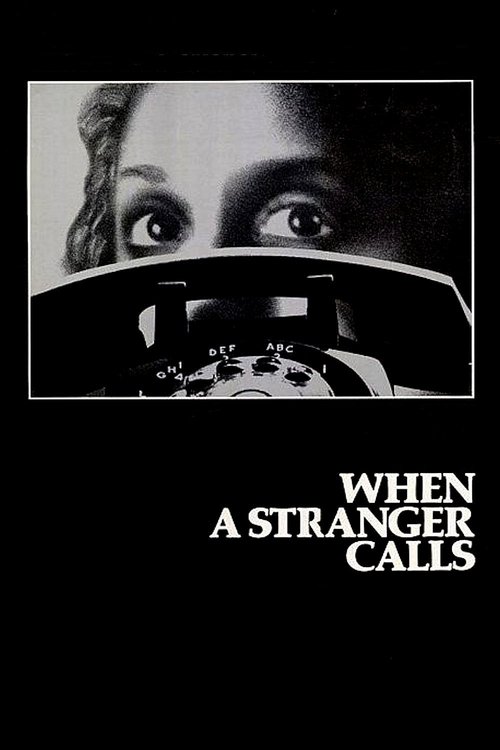
When a Stranger Calls
A student babysitter has her evening disturbed when the phone rings. So begins a series of increasingly terrifying and threatening calls that lead to a shocking revelation.
Despite its modest budget of $1.5M, When a Stranger Calls became a commercial juggernaut, earning $25.0M worldwide—a remarkable 1567% return. The film's distinctive approach engaged audiences, proving that strong storytelling can transcend budget limitations.
1 win & 1 nomination


Plot Structure
Story beats plotted across runtime


Narrative Arc
Emotional journey through the story's key moments
Story Circle
Blueprint 15-beat structure
Structural Analysis
The Status Quo at 1 minutes (1% through the runtime) establishes Jill Johnson arrives at the Mandrakis house for a routine babysitting job, establishing her as an ordinary college student in a suburban home setting.. Notably, this early placement immediately immerses viewers in the story world.
The inciting incident occurs at 11 minutes when The first phone call comes. A strange voice asks "Have you checked the children?" The terrifying calls begin, disrupting Jill's quiet evening and launching her into fear.. At 12% through the film, this Disruption aligns precisely with traditional story structure. This beat shifts the emotional landscape, launching the protagonist into the central conflict.
The First Threshold at 23 minutes marks the transition into Act II, occurring at 24% of the runtime. This shows the protagonist's commitment to The police call back with the horrifying revelation: "The calls are coming from inside the house." Jill must now actively flee or confront the danger that has been with her all along., moving from reaction to action.
At 49 minutes, the Midpoint arrives at 51% of the runtime—precisely centered, creating perfect narrative symmetry. Of particular interest, this crucial beat Clifford locates Duncan in a bar and manipulates a criminal to attack him, but the plan fails when Duncan survives. The hunter becomes aware he is being hunted, raising the stakes., fundamentally raising what's at risk. The emotional intensity shifts, dividing the narrative into clear before-and-after phases.
The Collapse moment at 72 minutes (74% through) represents the emotional nadir. Here, Duncan discovers Jill's current address and identity. After seven years of healing, the nightmare is returning. The "whiff of death" arrives as Duncan begins stalking Jill's new life., illustrates the protagonist at their lowest point. This beat's placement in the final quarter sets up the climactic reversal.
The Second Threshold at 77 minutes initiates the final act resolution at 80% of the runtime. Jill discovers Duncan has infiltrated her home. Unlike seven years ago, she must now protect her own children. She chooses to confront her nightmare rather than flee., demonstrating the transformation achieved throughout the journey.
Emotional Journey
When a Stranger Calls's emotional architecture traces a deliberate progression across 15 carefully calibrated beats.
Narrative Framework
This structural analysis employs structural analysis methodology used to understand storytelling architecture. By mapping When a Stranger Calls against these established plot points, we can identify how Fred Walton utilizes or subverts traditional narrative conventions. The plot point approach reveals not only adherence to structural principles but also creative choices that distinguish When a Stranger Calls within the horror genre.
Comparative Analysis
Additional horror films include Thinner, A Nightmare on Elm Street and Mary Reilly.
Plot Points by Act
Act I
SetupStatus Quo
Jill Johnson arrives at the Mandrakis house for a routine babysitting job, establishing her as an ordinary college student in a suburban home setting.
Theme
Dr. Mandrakis gives Jill final instructions about the children being asleep, establishing the theme of vulnerability and the illusion of safety within one's own home.
Worldbuilding
The ordinary world of suburban babysitting is established. Jill settles into the quiet house, attempts homework, and exists in peaceful isolation unaware of the horror to come.
Disruption
The first phone call comes. A strange voice asks "Have you checked the children?" The terrifying calls begin, disrupting Jill's quiet evening and launching her into fear.
Resistance
Jill repeatedly receives the menacing calls. She debates whether to take action, contacts the police who set up a trace, and is guided by the operator to keep the caller on the line.
Act II
ConfrontationFirst Threshold
The police call back with the horrifying revelation: "The calls are coming from inside the house." Jill must now actively flee or confront the danger that has been with her all along.
Mirror World
Seven years later, we meet John Clifford, a former detective now private investigator. His pursuit of Curt Duncan mirrors Jill's victimhood and represents society's attempt to contain evil.
Premise
The narrative shifts to John Clifford's investigation. Duncan has escaped from the asylum and Clifford tracks him through the seedy underbelly of the city, exploring what happens after trauma.
Midpoint
Clifford locates Duncan in a bar and manipulates a criminal to attack him, but the plan fails when Duncan survives. The hunter becomes aware he is being hunted, raising the stakes.
Opposition
Duncan proves more resilient and dangerous than expected. He forms a disturbing connection with a lonely woman named Tracy, while Clifford struggles to locate him again before he kills.
Collapse
Duncan discovers Jill's current address and identity. After seven years of healing, the nightmare is returning. The "whiff of death" arrives as Duncan begins stalking Jill's new life.
Crisis
Jill, now married with children of her own, begins receiving the familiar terrifying phone calls. Her past trauma resurfaces as she realizes Duncan has found her and history may repeat itself.
Act III
ResolutionSecond Threshold
Jill discovers Duncan has infiltrated her home. Unlike seven years ago, she must now protect her own children. She chooses to confront her nightmare rather than flee.
Synthesis
The terrifying finale unfolds as Jill faces Duncan in her own bedroom. Clifford arrives and shoots Duncan, but the confrontation between victim and monster reaches its climax.
Transformation
In the hospital, Jill awakens to a phone ringing. Duncan's voice whispers one final time before the screen cuts to black, suggesting that some traumas never truly end.