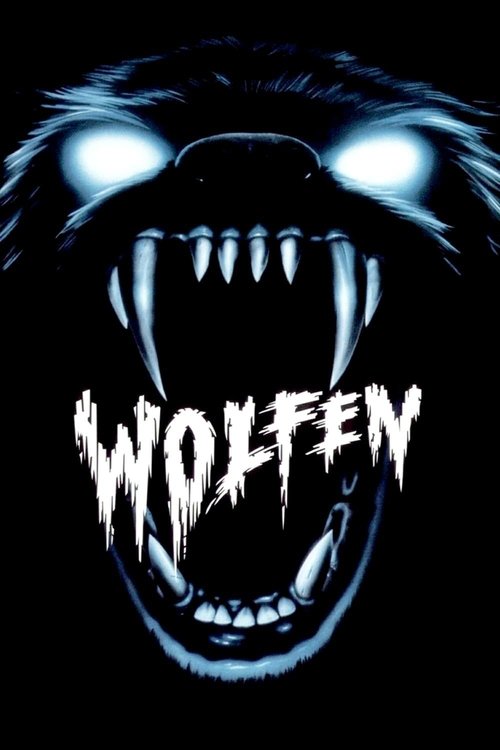
Wolfen
A New York City cop and an expert criminologist trying to solve a series of grisly deaths in which the victims have seemingly been maimed by feral animals discover a sinister connection between the crimes and an old legend.
The film disappointed at the box office against its respectable budget of $17.0M, earning $10.6M globally (-37% loss). While initial box office returns were modest, the film has gained appreciation for its compelling narrative within the horror genre.
2 wins & 5 nominations


Plot Structure
Story beats plotted across runtime


Narrative Arc
Emotional journey through the story's key moments
Story Circle
Blueprint 15-beat structure
Structural Analysis
The Status Quo at 1 minutes (1% through the runtime) establishes The film opens with thermal imaging POV shots of New York City at night, establishing an alien predatory presence watching the urban landscape. This introduces the world before Detective Dewey Wilson becomes involved—a city unaware of the ancient hunters in its midst.. The analysis reveals that this early placement immediately immerses viewers in the story world.
The inciting incident occurs at 14 minutes when Wilson examines the Van der Veer crime scene and discovers the wounds are unlike anything in his experience—no bullets, no blades, yet victims torn apart with surgical precision. The disruption isn't just a murder; it's evidence of something that defies rational explanation.. At 12% through the film, this Disruption aligns precisely with traditional story structure. This beat shifts the emotional landscape, launching the protagonist into the central conflict.
The First Threshold at 29 minutes marks the transition into Act II, occurring at 25% of the runtime. This illustrates the protagonist's commitment to After more killings with the same impossible wounds, Wilson makes the choice to investigate the South Bronx ruins where evidence leads—entering literal and metaphorical "wolf territory." He commits to pursuing the truth regardless of where it leads, crossing from conventional detective work into the unknown., moving from reaction to action.
At 58 minutes, the Midpoint arrives at 50% of the runtime—precisely centered, creating perfect narrative symmetry. Notably, this crucial beat Wilson witnesses a Wolfen attack firsthand and barely survives. The false defeat: he now knows these are real creatures, not humans, but this knowledge makes him seem insane to colleagues. He's confirmed the impossible truth but lost credibility to act on it. The stakes shift from solving a crime to survival and being believed., fundamentally raising what's at risk. The emotional intensity shifts, dividing the narrative into clear before-and-after phases.
The Collapse moment at 86 minutes (75% through) represents the emotional nadir. Here, Wilson's colleague and friend is killed by the Wolfen—the "whiff of death" that makes the threat personally devastating. The creatures demonstrate they can reach anyone Wilson cares about. His rational investigation has failed to protect those around him, and conventional methods are useless against ancient predators., indicates the protagonist at their lowest point. This beat's placement in the final quarter sets up the climactic reversal.
The Second Threshold at 92 minutes initiates the final act resolution at 80% of the runtime. Wilson synthesizes Eddie Holt's indigenous wisdom with his investigation: the Wolfen aren't monsters but ancient survivors who coexist with humanity in the margins. The Van der Veer development project would have destroyed their territory. Understanding this, Wilson realizes the only path forward is submission and respect, not combat., demonstrating the transformation achieved throughout the journey.
Emotional Journey
Wolfen's emotional architecture traces a deliberate progression across 15 carefully calibrated beats.
Narrative Framework
This structural analysis employs structural analysis methodology used to understand storytelling architecture. By mapping Wolfen against these established plot points, we can identify how Michael Wadleigh utilizes or subverts traditional narrative conventions. The plot point approach reveals not only adherence to structural principles but also creative choices that distinguish Wolfen within the horror genre.
Comparative Analysis
Additional horror films include Thinner, A Nightmare on Elm Street and Mary Reilly.
Plot Points by Act
Act I
SetupStatus Quo
The film opens with thermal imaging POV shots of New York City at night, establishing an alien predatory presence watching the urban landscape. This introduces the world before Detective Dewey Wilson becomes involved—a city unaware of the ancient hunters in its midst.
Theme
During early investigation discussions, a character references the South Bronx as "the jungle"—urban decay as wilderness. This foreshadows the theme that nature has never truly left the city, and predators adapt to hunt in modern ruins.
Worldbuilding
We meet Dewey Wilson, a burned-out NYPD detective with a troubled past, as wealthy real estate mogul Christopher Van der Veer and his wife are brutally murdered in Battery Park. The crime scene reveals impossible wounds—no murder weapon, surgically precise dismemberment. Wilson is reluctantly pulled back into active investigation by his superiors.
Disruption
Wilson examines the Van der Veer crime scene and discovers the wounds are unlike anything in his experience—no bullets, no blades, yet victims torn apart with surgical precision. The disruption isn't just a murder; it's evidence of something that defies rational explanation.
Resistance
Wilson debates taking the case seriously while investigating conventional leads. He meets criminal psychologist Rebecca Neff, who joins the investigation. They explore terrorist angles, examine evidence, and Wilson struggles with whether to commit to a case that increasingly makes no sense. The debate centers on rational versus irrational explanations.
Act II
ConfrontationFirst Threshold
After more killings with the same impossible wounds, Wilson makes the choice to investigate the South Bronx ruins where evidence leads—entering literal and metaphorical "wolf territory." He commits to pursuing the truth regardless of where it leads, crossing from conventional detective work into the unknown.
Mirror World
Wilson encounters Eddie Holt, a Native American ironworker who speaks of shapeshifting and ancient wolf spirits. Eddie represents indigenous knowledge that connects the supernatural to the natural—the B-story that will ultimately provide Wilson the understanding he needs. Their relationship introduces the spiritual dimension.
Premise
The promise of the premise unfolds: Wilson and Rebecca investigate the Wolfen's hunting grounds in the devastated South Bronx. We see the creatures' thermal POV hunting sequences, explore the urban ruins they've claimed as territory, and watch Wilson piece together evidence of a non-human intelligence. The horror/mystery premise delivers atmospheric dread and procedural detection.
Midpoint
Wilson witnesses a Wolfen attack firsthand and barely survives. The false defeat: he now knows these are real creatures, not humans, but this knowledge makes him seem insane to colleagues. He's confirmed the impossible truth but lost credibility to act on it. The stakes shift from solving a crime to survival and being believed.
Opposition
The Wolfen close in as Wilson investigates further. More victims fall. The creatures seem to target anyone who threatens their territory or learns too much. Wilson and Rebecca grow closer while the investigation puts them in increasing danger. The Wolfen demonstrate intelligence, surveillance, and strategic hunting. Wilson's allies are picked off.
Collapse
Wilson's colleague and friend is killed by the Wolfen—the "whiff of death" that makes the threat personally devastating. The creatures demonstrate they can reach anyone Wilson cares about. His rational investigation has failed to protect those around him, and conventional methods are useless against ancient predators.
Crisis
Wilson faces the dark night of the soul. He cannot defeat the Wolfen through force or conventional means. Eddie Holt's words about respect and territory echo in his mind. He must process that these creatures are not evil—they're apex predators protecting their domain from human encroachment. The urban renewal project that threatened their territory triggered the killings.
Act III
ResolutionSecond Threshold
Wilson synthesizes Eddie Holt's indigenous wisdom with his investigation: the Wolfen aren't monsters but ancient survivors who coexist with humanity in the margins. The Van der Veer development project would have destroyed their territory. Understanding this, Wilson realizes the only path forward is submission and respect, not combat.
Synthesis
In the finale, Wilson confronts the Wolfen in their territory. Rather than fighting, he destroys the model of the Van der Veer development project—symbolically abandoning human encroachment on their domain. He demonstrates understanding and submission to the natural order. The Wolfen, recognizing this, spare him and Rebecca.
Transformation
The final image mirrors the opening: the city at night, but now Wilson understands what watches from the shadows. He has transformed from a burned-out detective seeking rational answers to a man who accepts there are forces older and more powerful than human civilization. The Wolfen remain, guardians of their territory, and Wilson will keep their secret.