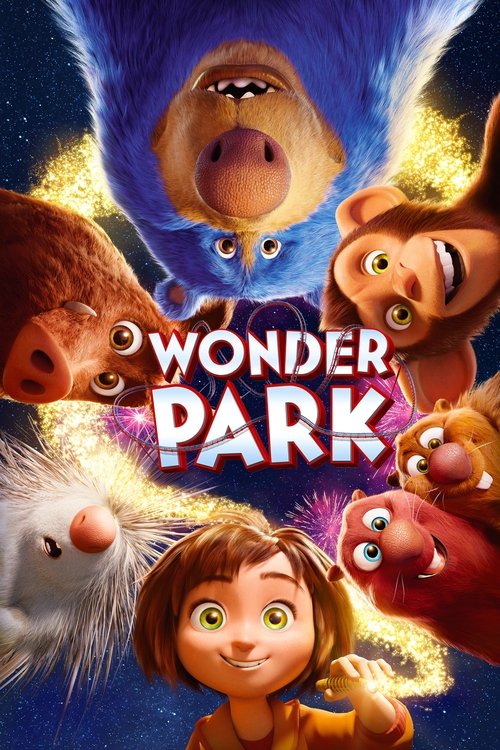
Wonder Park
A young girl named June with a big imagination makes an incredible discovery -- the amusement park of her dreams has come to life. Filled with the world's wildest rides operated by fun-loving animals, the excitement never ends. But when trouble hits, June and her misfit team of furry friends begin an unforgettable journey to save the park.
Working with a significant budget of $100.0M, the film achieved a steady performer with $119.6M in global revenue (+20% profit margin).
1 win & 1 nomination


Plot Structure
Story beats plotted across runtime


Narrative Arc
Emotional journey through the story's key moments
Story Circle
Blueprint 15-beat structure
Arcplot Score Breakdown
Weighted: Precision (70%) + Arc (15%) + Theme (15%)
Wonder Park (2019) demonstrates deliberately positioned story structure, characteristic of Dylan Brown's storytelling approach. This structural analysis examines how the film's 15-point plot structure maps to proven narrative frameworks across 1 hour and 26 minutes. With an Arcplot score of 7.8, the film showcases strong structural fundamentals.
Structural Analysis
The Status Quo at 1 minutes (1% through the runtime) establishes June and her mom create Wonderland together, building an elaborate imaginary amusement park filled with fantastical animal characters and rides powered by creativity and imagination.. Significantly, this early placement immediately immerses viewers in the story world.
The inciting incident occurs at 10 minutes when June's mother becomes sick and has to go away for treatment. June watches her mother leave, her world of imagination crumbling as fear takes over.. At 12% through the film, this Disruption aligns precisely with traditional story structure. This beat shifts the emotional landscape, launching the protagonist into the central conflict.
The First Threshold at 21 minutes marks the transition into Act II, occurring at 24% of the runtime. This indicates the protagonist's commitment to June decides to leave the camp bus and return home to her mother. Lost in the woods, she chooses to follow a mysterious path, actively stepping away from her planned safe route., moving from reaction to action.
At 43 minutes, the Midpoint arrives at 50% of the runtime—precisely centered, creating perfect narrative symmetry. Structural examination shows that this crucial beat June and the gang find Peanut hiding in the park, but he's paralyzed by fear and has lost his ability to imagine. June realizes the Darkness is a manifestation of fear, mirroring her own emotional state. Stakes raised: the Darkness intensifies., fundamentally raising what's at risk. The emotional intensity shifts, dividing the narrative into clear before-and-after phases.
The Collapse moment at 63 minutes (74% through) represents the emotional nadir. Here, The Darkness completely overtakes Wonderland. The park is destroyed, and June's friends are consumed by the chaos. June is left alone, having failed to save Wonderland, facing the metaphorical death of imagination and hope., shows the protagonist at their lowest point. This beat's placement in the final quarter sets up the climactic reversal.
The Second Threshold at 69 minutes initiates the final act resolution at 80% of the runtime. June realizes that imagination isn't about forcing it or being perfect—it's about believing and trying even when you're afraid. She understands what her mother meant: imagination is how you face fear, not avoid it., demonstrating the transformation achieved throughout the journey.
Emotional Journey
Wonder Park's emotional architecture traces a deliberate progression across 15 carefully calibrated beats.
Narrative Framework
This structural analysis employs proven narrative structure principles that track dramatic progression. By mapping Wonder Park against these established plot points, we can identify how Dylan Brown utilizes or subverts traditional narrative conventions. The plot point approach reveals not only adherence to structural principles but also creative choices that distinguish Wonder Park within the comedy genre.
Comparative Analysis
Additional comedy films include The Bad Guys, Ella Enchanted and The Evening Star.
Plot Points by Act
Act I
SetupStatus Quo
June and her mom create Wonderland together, building an elaborate imaginary amusement park filled with fantastical animal characters and rides powered by creativity and imagination.
Theme
June's mother tells her that "Wonderland is a place where you never have to grow up" and that imagination can get you through anything, establishing the film's theme about creativity overcoming fear.
Worldbuilding
We see June's perfect life with her mother, building Wonderland in their backyard, creating stories with the park's characters (Boomer, Steve, Greta, Gus, Cooper). Their bond through shared imagination is established.
Disruption
June's mother becomes sick and has to go away for treatment. June watches her mother leave, her world of imagination crumbling as fear takes over.
Resistance
Months pass and June has shut down her imagination completely, destroying Wonderland models and refusing to create. Her father tries to help by sending her to math camp, but June resists both camp and imagination.
Act II
ConfrontationFirst Threshold
June decides to leave the camp bus and return home to her mother. Lost in the woods, she chooses to follow a mysterious path, actively stepping away from her planned safe route.
Mirror World
June discovers the real Wonderland and meets Boomer, Steve, and the other characters she created. They represent her lost imagination and the relationship with her mother, embodying the theme she must reclaim.
Premise
June explores the real Wonderland but discovers it's broken and overrun by "The Darkness" (a cloud of chaos). She learns that Peanut, the creative chimp who imagined the rides, has disappeared. June tries to help fix the park.
Midpoint
June and the gang find Peanut hiding in the park, but he's paralyzed by fear and has lost his ability to imagine. June realizes the Darkness is a manifestation of fear, mirroring her own emotional state. Stakes raised: the Darkness intensifies.
Opposition
June tries to force Peanut to imagine and fix the park, but the Darkness grows stronger. The park continues falling apart. June's own fear and inability to create makes everything worse. Her friends begin to doubt her.
Collapse
The Darkness completely overtakes Wonderland. The park is destroyed, and June's friends are consumed by the chaos. June is left alone, having failed to save Wonderland, facing the metaphorical death of imagination and hope.
Crisis
June sits in the darkness, confronting her deepest fear: that she abandoned her imagination and her mother when things got hard. She processes her guilt and grief in this dark night moment.
Act III
ResolutionSecond Threshold
June realizes that imagination isn't about forcing it or being perfect—it's about believing and trying even when you're afraid. She understands what her mother meant: imagination is how you face fear, not avoid it.
Synthesis
June begins to imagine again, inspiring Peanut and the others to believe. Together they rebuild Wonderland from scratch, defeating the Darkness by embracing creativity despite fear. The park is restored through collaborative imagination.
Transformation
June returns home transformed, reuniting with her mother and father. She has rebuilt Wonderland in her backyard, showing she can hold onto imagination while growing up. Her fear no longer controls her creativity.