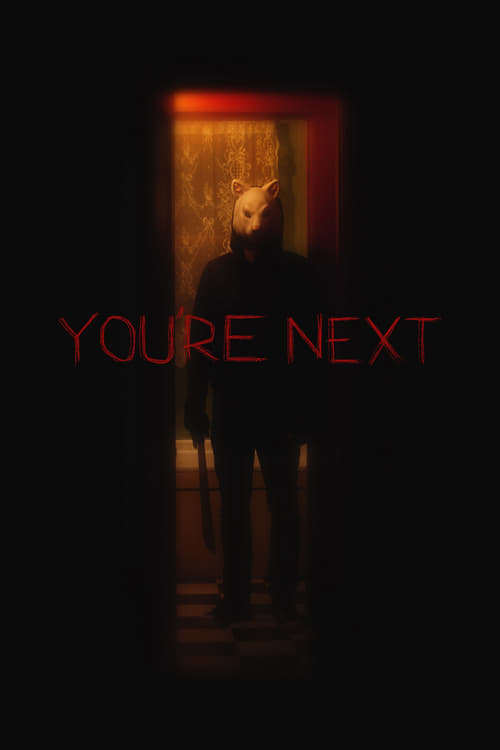
You're Next
When the Davison family comes under attack during their wedding anniversary getaway, the gang of mysterious killers soon learns that one of their victims harbors a secret talent for fighting back.
Despite its modest budget of $1.0M, You're Next became a runaway success, earning $14.3M worldwide—a remarkable 1335% return. The film's unique voice engaged audiences, confirming that strong storytelling can transcend budget limitations.
Plot Structure
Story beats plotted across runtime


Narrative Arc
Emotional journey through the story's key moments
Story Circle
Blueprint 15-beat structure
Arcplot Score Breakdown
Weighted: Precision (70%) + Arc (15%) + Theme (15%)
You're Next (2013) reveals deliberately positioned story structure, characteristic of Adam Wingard's storytelling approach. This structural analysis examines how the film's 14-point plot structure maps to proven narrative frameworks across 1 hour and 34 minutes. With an Arcplot score of 7.3, the film balances conventional beats with creative variation.
Structural Analysis
The Status Quo at 1 minutes (1% through the runtime) establishes Opening image of an empty vacation house, establishing the isolated woodland setting. A couple arrives to prepare the home, unaware of danger.. The analysis reveals that this early placement immediately immerses viewers in the story world.
The inciting incident occurs at 11 minutes when An arrow crashes through the dining room window, killing Tariq instantly. The family realizes they are under attack by masked assailants wearing animal masks.. At 12% through the film, this Disruption aligns precisely with traditional story structure. This beat shifts the emotional landscape, launching the protagonist into the central conflict.
The First Threshold at 23 minutes marks the transition into Act II, occurring at 24% of the runtime. This demonstrates the protagonist's commitment to Erin makes the active choice to fight back rather than hide. She begins setting traps and weaponizing the house, transforming from passive victim to active defender., moving from reaction to action.
At 47 minutes, the Midpoint arrives at 50% of the runtime—precisely centered, creating perfect narrative symmetry. Notably, this crucial beat False defeat: Erin discovers Crispian is one of the conspirators behind the attack. The person she trusted most has betrayed her. The home invasion was orchestrated by family members for inheritance money., fundamentally raising what's at risk. The emotional intensity shifts, dividing the narrative into clear before-and-after phases.
The Collapse moment at 70 minutes (75% through) represents the emotional nadir. Here, Erin is wounded and cornered. The last remaining attackers close in. She appears defeated, bloody and exhausted. Whiff of death: she seems to accept her fate momentarily., shows the protagonist at their lowest point. This beat's placement in the final quarter sets up the climactic reversal.
The Synthesis at 74 minutes initiates the final act resolution at 79% of the runtime. Erin systematically eliminates the remaining attackers and conspirators, including Crispian. She executes her final plan with cold efficiency, dispatching each threat. The finale is brutal and cathartic., demonstrating the transformation achieved throughout the journey.
Emotional Journey
You're Next's emotional architecture traces a deliberate progression across 14 carefully calibrated beats.
Narrative Framework
This structural analysis employs structural analysis methodology used to understand storytelling architecture. By mapping You're Next against these established plot points, we can identify how Adam Wingard utilizes or subverts traditional narrative conventions. The plot point approach reveals not only adherence to structural principles but also creative choices that distinguish You're Next within the horror genre.
Adam Wingard's Structural Approach
Among the 2 Adam Wingard films analyzed on Arcplot, the average structural score is 7.2, reflecting strong command of classical structure. You're Next represents one of the director's most structurally precise works. For comparative analysis, explore the complete Adam Wingard filmography.
Comparative Analysis
Additional horror films include Lake Placid, A Nightmare on Elm Street and Cat's Eye. For more Adam Wingard analyses, see Blair Witch.
Plot Points by Act
Act I
SetupStatus Quo
Opening image of an empty vacation house, establishing the isolated woodland setting. A couple arrives to prepare the home, unaware of danger.
Theme
During family introductions, someone mentions "survival of the fittest" in the context of academic competition, foreshadowing the film's central theme about primal survival instincts versus civilized facades.
Worldbuilding
Introduction of the Davison family gathering for their parents' anniversary. Crispian brings his girlfriend Erin. Family tensions established: sibling rivalries, jealousies, dysfunctional dynamics. Erin's Australian survivalist background mentioned.
Disruption
An arrow crashes through the dining room window, killing Tariq instantly. The family realizes they are under attack by masked assailants wearing animal masks.
Resistance
Initial panic and chaos as family members react differently to the attack. Some freeze, some panic. Erin begins to take charge, suggesting they barricade windows and stick together. Her survival instincts start to emerge.
Act II
ConfrontationFirst Threshold
Erin makes the active choice to fight back rather than hide. She begins setting traps and weaponizing the house, transforming from passive victim to active defender.
Mirror World
Erin's relationship with Crispian is tested as she reveals her resourcefulness. Her past growing up on a survivalist compound is contrasted with the Davison family's privileged helplessness.
Premise
Erin systematically defends the house using improvised weapons and traps. Multiple attackers are killed or injured by her ingenious defenses. The film delivers on its premise: a survivalist turning a home invasion into a hunting ground.
Midpoint
False defeat: Erin discovers Crispian is one of the conspirators behind the attack. The person she trusted most has betrayed her. The home invasion was orchestrated by family members for inheritance money.
Opposition
With the conspiracy revealed, the stakes escalate. Erin must now fight both the masked killers and the family members who hired them. The attackers become more desperate and brutal as their plan unravels.
Collapse
Erin is wounded and cornered. The last remaining attackers close in. She appears defeated, bloody and exhausted. Whiff of death: she seems to accept her fate momentarily.
Crisis
Erin processes the complete betrayal by Crispian. In her darkest moment, she finds resolve not in love or morality, but in pure survival instinct. She embraces her primal nature fully.
Act III
ResolutionSynthesis
Erin systematically eliminates the remaining attackers and conspirators, including Crispian. She executes her final plan with cold efficiency, dispatching each threat. The finale is brutal and cathartic.
Transformation
Erin sits bloodied but victorious as police arrive. When an officer enters, she instinctively kills him, showing she's been permanently transformed by violence. The survivor is no longer the person who arrived at the house.


