
10 to Midnight
In Los Angeles, the rookie Detective Paul McAnn teams up with the veteran Detective Leo Kessler to investigate the murder of Betty Johnson and her boyfriend that were stabbed by a naked serial-killer in a park. Detective Kessler recognizes the victim, who lived in the same neighborhood many years ago and childhood friend of his daughter Laurie Kessler. The killer Warren Stacy goes to the funeral and overhears Betty's father telling Detective Kessler that his daughter had a diary. Warren breaks in Betty's apartment and stabs and kills her roommate Karen Smalley trying to find the diary. But Karen had already delivered the journal to Detective Kessler. Leo Kessler is sure that Warren is the serial-killer and her plants a false evidence in his apartment. However, Warren's defense lawyer presses Detective McAnn accusing him of perjury and Warren is released. Now Warren is stalking Laurie to revenge against her father.
Working with a limited budget of $4.5M, the film achieved a modest success with $7.2M in global revenue (+59% profit margin).


Plot Structure
Story beats plotted across runtime


Narrative Arc
Emotional journey through the story's key moments
Story Circle
Blueprint 15-beat structure
Arcplot Score Breakdown
Weighted: Precision (70%) + Arc (15%) + Theme (15%)
10 to Midnight (1983) reveals strategically placed story structure, characteristic of J. Lee Thompson's storytelling approach. This structural analysis examines how the film's 15-point plot structure maps to proven narrative frameworks across 1 hour and 42 minutes. With an Arcplot score of 6.8, the film balances conventional beats with creative variation.
Characters
Cast & narrative archetypes
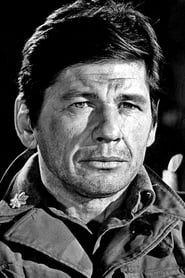
Leo Kessler

Warren Stacy

Laurie Kessler

Paul McAnn
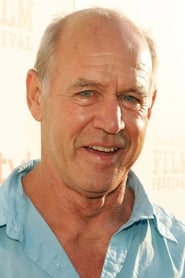
Dave Dante
Main Cast & Characters
Leo Kessler
Played by Charles Bronson
Veteran LAPD detective willing to bend rules to catch a serial killer targeting his daughter
Warren Stacy
Played by Gene Davis
Disturbed office worker and serial killer who murders young women
Laurie Kessler
Played by Lisa Eilbacher
Leo's daughter, a nurse who becomes a target of the killer
Paul McAnn
Played by Andrew Stevens
Leo's younger by-the-book partner who struggles with his mentor's methods
Dave Dante
Played by Geoffrey Lewis
Police captain and Leo's superior who tries to keep him in check
Structural Analysis
The Status Quo at 1 minutes (1% through the runtime) establishes A young couple parks on a moonlit night for a romantic encounter. The peaceful moment is shattered when a naked man emerges from the darkness and brutally murders them both, establishing the terrifying threat that haunts this world.. The analysis reveals that this early placement immediately immerses viewers in the story world.
The inciting incident occurs at 13 minutes when Kessler interrogates Warren Stacy and becomes convinced he is the killer despite Stacy's airtight alibi. Stacy's smug confidence and psychological manipulation reveal the true nature of the threat Kessler faces - an intelligent predator who knows how to game the system.. At 12% through the film, this Disruption aligns precisely with traditional story structure. This beat shifts the emotional landscape, launching the protagonist into the central conflict.
The First Threshold at 25 minutes marks the transition into Act II, occurring at 25% of the runtime. This shows the protagonist's commitment to Frustrated by the lack of admissible evidence, Kessler makes a fateful choice: he plants a bloody piece of evidence to frame Stacy. He crosses an ethical line, choosing to manufacture justice when the system cannot deliver it., moving from reaction to action.
At 50 minutes, the Midpoint arrives at 49% of the runtime—precisely centered, creating perfect narrative symmetry. Significantly, this crucial beat Warren Stacy's defense attorney exposes the planted evidence in court. Stacy is acquitted and walks free, smirking at Kessler. The false victory turns to devastating defeat - not only did the system fail, but Kessler's own corruption backfired spectacularly., fundamentally raising what's at risk. The emotional intensity shifts, dividing the narrative into clear before-and-after phases.
The Collapse moment at 76 minutes (74% through) represents the emotional nadir. Here, Stacy invades the nurses' dormitory where Laurie lives, stripping naked and beginning a killing spree. He murders Laurie's roommates one by one in graphic, terrifying fashion. Kessler races against time knowing his daughter is in mortal danger - the nightmare scenario he most feared has begun., demonstrates the protagonist at their lowest point. This beat's placement in the final quarter sets up the climactic reversal.
The Second Threshold at 82 minutes initiates the final act resolution at 80% of the runtime. Kessler arrives at the dormitory with his gun. He is no longer a cop bound by rules - he is a father determined to save his child. He makes the conscious choice to be judge, jury, and executioner if necessary., demonstrating the transformation achieved throughout the journey.
Emotional Journey
10 to Midnight's emotional architecture traces a deliberate progression across 15 carefully calibrated beats.
Narrative Framework
This structural analysis employs systematic plot point analysis that identifies crucial turning points. By mapping 10 to Midnight against these established plot points, we can identify how J. Lee Thompson utilizes or subverts traditional narrative conventions. The plot point approach reveals not only adherence to structural principles but also creative choices that distinguish 10 to Midnight within the crime genre.
J. Lee Thompson's Structural Approach
Among the 13 J. Lee Thompson films analyzed on Arcplot, the average structural score is 7.1, reflecting strong command of classical structure. 10 to Midnight takes a more unconventional approach compared to the director's typical style. For comparative analysis, explore the complete J. Lee Thompson filmography.
Comparative Analysis
Additional crime films include The Bad Guys, Rustom and The Whole Ten Yards. For more J. Lee Thompson analyses, see The Greek Tycoon, Happy Birthday to Me and Battle for the Planet of the Apes.
Plot Points by Act
Act I
SetupStatus Quo
A young couple parks on a moonlit night for a romantic encounter. The peaceful moment is shattered when a naked man emerges from the darkness and brutally murders them both, establishing the terrifying threat that haunts this world.
Theme
A colleague tells Kessler that sometimes you have to bend the rules to get the bad guys: "The system isn't perfect. Sometimes you gotta work around it." This foreshadows Kessler's eventual choice to plant evidence.
Worldbuilding
We meet veteran LAPD detective Leo Kessler and his new partner Paul McAnn. Kessler is a seasoned cop with a nurse daughter, Laurie. The investigation into the double murder begins, and Warren Stacy emerges as the prime suspect - a charming office worker who was rejected by the female victim.
Disruption
Kessler interrogates Warren Stacy and becomes convinced he is the killer despite Stacy's airtight alibi. Stacy's smug confidence and psychological manipulation reveal the true nature of the threat Kessler faces - an intelligent predator who knows how to game the system.
Resistance
Kessler and McAnn investigate Stacy's background, discovering his pattern of stalking women who reject him. They find evidence linking him to other crimes but nothing that will hold up in court. Kessler debates how far he's willing to go, while his partner urges him to follow procedure.
Act II
ConfrontationFirst Threshold
Frustrated by the lack of admissible evidence, Kessler makes a fateful choice: he plants a bloody piece of evidence to frame Stacy. He crosses an ethical line, choosing to manufacture justice when the system cannot deliver it.
Mirror World
Laurie Kessler and Paul McAnn begin a romantic relationship. Their budding love represents hope and innocence - exactly what Kessler is fighting to protect. Laurie's warmth contrasts sharply with Stacy's predatory view of women.
Premise
The cat-and-mouse game intensifies. Stacy is arrested based on the planted evidence and goes to trial. Kessler feels vindicated as justice seems within reach. Meanwhile, Stacy begins stalking Laurie from afar, revealing his next target. The detective hunts the killer while the killer hunts the detective's daughter.
Midpoint
Warren Stacy's defense attorney exposes the planted evidence in court. Stacy is acquitted and walks free, smirking at Kessler. The false victory turns to devastating defeat - not only did the system fail, but Kessler's own corruption backfired spectacularly.
Opposition
Kessler is suspended from the force for planting evidence. With no badge, no authority, and no legal recourse, he watches helplessly as Stacy walks free. Stacy escalates his stalking of Laurie, making threatening calls. McAnn tries to protect Laurie while Kessler descends into obsession. Another woman is murdered.
Collapse
Stacy invades the nurses' dormitory where Laurie lives, stripping naked and beginning a killing spree. He murders Laurie's roommates one by one in graphic, terrifying fashion. Kessler races against time knowing his daughter is in mortal danger - the nightmare scenario he most feared has begun.
Crisis
The dormitory becomes a house of horrors as Stacy hunts for Laurie. Bodies pile up. Laurie hides, terrified, as her friends die around her. Kessler desperately tries to reach the dormitory, knowing the police cannot arrive in time. Everything he fought for hangs by a thread.
Act III
ResolutionSecond Threshold
Kessler arrives at the dormitory with his gun. He is no longer a cop bound by rules - he is a father determined to save his child. He makes the conscious choice to be judge, jury, and executioner if necessary.
Synthesis
Kessler confronts Stacy in the dormitory. Laurie manages to wound Stacy, showing her own strength. Father and daughter face the monster together. Stacy is finally cornered, his manipulations and legal games useless against a man who has abandoned the system entirely.
Transformation
Kessler executes Warren Stacy point-blank, delivering the infamous line: "I forget the Miranda rights." He has transformed from a detective who bent the rules into a vigilante who breaks them entirely - protecting his daughter by becoming the executioner the system refused to be.