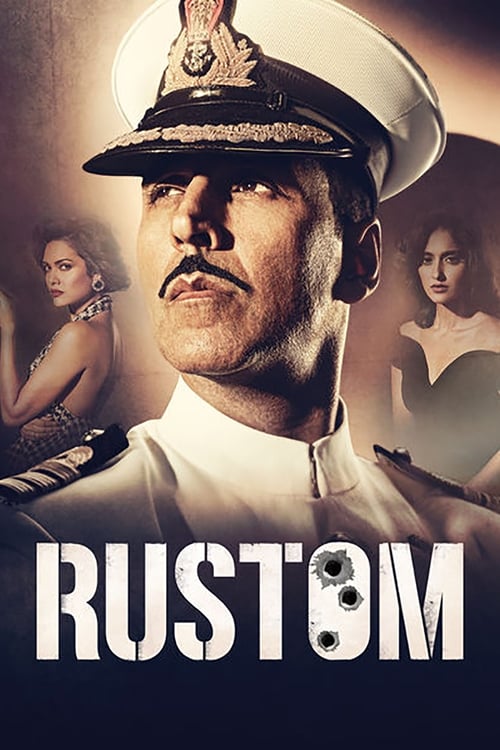
Rustom
A naval officer is devastated to learn about his wife's extramarital affair with a rich businessman while he was away. He pays him a visit and shoots him to death, following which he surrenders himself but claims to be "not guilty" in the court, much to the surprise of the businessman's sister and the officers dealing with his case.
Despite its small-scale budget of $6.1M, Rustom became a solid performer, earning $26.3M worldwide—a 330% return. The film's unique voice engaged audiences, proving that strong storytelling can transcend budget limitations.

Plot Structure
Story beats plotted across runtime


Narrative Arc
Emotional journey through the story's key moments
Story Circle
Blueprint 15-beat structure
Arcplot Score Breakdown
Weighted: Precision (70%) + Arc (15%) + Theme (15%)
Rustom (2016) showcases precise narrative design, characteristic of Tinu Suresh Desai's storytelling approach. This structural analysis examines how the film's 15-point plot structure maps to proven narrative frameworks across 2 hours and 28 minutes. With an Arcplot score of 7.4, the film balances conventional beats with creative variation.
Characters
Cast & narrative archetypes

Rustom Pavri
Cynthia Pavri
Vikram Makhija
Erica Fernandes
Erach Billimoria
Lakshman Khangani
Vincent Lobo
Main Cast & Characters
Rustom Pavri
Played by Akshay Kumar
A decorated Indian Navy officer who discovers his wife's affair and takes matters into his own hands, facing trial for murder.
Cynthia Pavri
Played by Ileana D'Cruz
Rustom's wife who engages in an affair with Vikram Makhija, torn between duty and desire.
Vikram Makhija
Played by Arjan Bajwa
A wealthy businessman and Rustom's friend who becomes romantically involved with Cynthia, triggering the tragic events.
Erica Fernandes
Played by Esha Gupta
Vikram's sister and Cynthia's close friend who becomes embroiled in the scandal and courtroom drama.
Erach Billimoria
Played by Kumud Mishra
A passionate journalist who becomes obsessed with the Rustom case and fights to uncover the truth.
Lakshman Khangani
Played by Pavan Malhotra
Rustom's defense lawyer who navigates the complex trial with strategic brilliance.
Vincent Lobo
Played by Sachin Khedekar
The prosecution lawyer determined to prove Rustom guilty of premeditated murder.
Structural Analysis
The Status Quo at 2 minutes (1% through the runtime) establishes Commander Rustom Pavri is introduced as a decorated, honorable naval officer in 1959 Bombay, respected by all and living an ideal life with his wife Cynthia. The opening establishes him as a man of integrity and duty.. Notably, this early placement immediately immerses viewers in the story world.
The inciting incident occurs at 20 minutes when Rustom returns home early from his naval assignment and discovers evidence of Cynthia's affair with Vikram - finding intimate photographs and love letters. His perfect life shatters in an instant.. At 14% through the film, this Disruption is delayed, allowing extended setup of the story world. This beat shifts the emotional landscape, launching the protagonist into the central conflict.
The First Threshold at 36 minutes marks the transition into Act II, occurring at 24% of the runtime. This demonstrates the protagonist's commitment to Rustom makes the active choice to take justice into his own hands. He goes to the naval armory, signs out his service revolver with three bullets, and drives to Vikram Makhija's residence. This is the point of no return., moving from reaction to action.
At 77 minutes, the Midpoint arrives at 52% of the runtime—precisely centered, creating perfect narrative symmetry. The analysis reveals that this crucial beat False victory: Key testimony and evidence swing public and jury sentiment strongly in Rustom's favor. The prosecution's case appears to be weakening. Rustom seems headed for acquittal, but the stakes are raised - new evidence emerges that could change everything., fundamentally raising what's at risk. The emotional intensity shifts, dividing the narrative into clear before-and-after phases.
The Collapse moment at 112 minutes (76% through) represents the emotional nadir. Here, The prosecution delivers a devastating closing argument proving premeditation - Rustom signed out exactly three bullets and used all three. The case seems lost. Rustom faces the real possibility of conviction for murder, the death of his reputation and freedom., reveals the protagonist at their lowest point. This beat's placement in the final quarter sets up the climactic reversal.
The Second Threshold at 121 minutes initiates the final act resolution at 82% of the runtime. The defense delivers a powerful closing argument synthesizing the themes: Rustom acted not with premeditation but with the precision of a trained naval officer. His honor, the betrayal he suffered, and the emotional distress create reasonable doubt. The case goes to the jury., demonstrating the transformation achieved throughout the journey.
Emotional Journey
Rustom's emotional architecture traces a deliberate progression across 15 carefully calibrated beats.
Narrative Framework
This structural analysis employs structural analysis methodology used to understand storytelling architecture. By mapping Rustom against these established plot points, we can identify how Tinu Suresh Desai utilizes or subverts traditional narrative conventions. The plot point approach reveals not only adherence to structural principles but also creative choices that distinguish Rustom within the thriller genre.
Comparative Analysis
Additional thriller films include The Warriors, Thunderball and Addicted.
Plot Points by Act
Act I
SetupStatus Quo
Commander Rustom Pavri is introduced as a decorated, honorable naval officer in 1959 Bombay, respected by all and living an ideal life with his wife Cynthia. The opening establishes him as a man of integrity and duty.
Theme
A character remarks on the nature of honor, loyalty, and what happens when those principles are tested. The theme explores whether justice and law are the same thing, and whether honor can justify violence.
Worldbuilding
Establishment of Rustom's world: his naval career, his marriage to Cynthia, their social circle in Bombay's elite society, and his friendship with Vikram Makhija. Rustom is called away on a two-month naval assignment, leaving Cynthia alone.
Disruption
Rustom returns home early from his naval assignment and discovers evidence of Cynthia's affair with Vikram - finding intimate photographs and love letters. His perfect life shatters in an instant.
Resistance
Rustom confronts Cynthia, who admits the affair. He remains eerily calm and composed, deliberating on what action to take. This period shows his internal debate between his honor as a naval officer and his rage as a betrayed husband.
Act II
ConfrontationFirst Threshold
Rustom makes the active choice to take justice into his own hands. He goes to the naval armory, signs out his service revolver with three bullets, and drives to Vikram Makhija's residence. This is the point of no return.
Mirror World
Rustom shoots Vikram three times, killing him, then immediately surrenders to the police. The introduction of the legal world and media circus - Inspector Lobo, lawyers, and journalists who will serve as the Mirror World exploring themes of justice vs. law.
Premise
The trial begins and becomes a media sensation. This section delivers the "promise of the premise" - a gripping courtroom drama where Rustom maintains his dignity while the prosecution and defense battle. Public opinion rallies behind Rustom as a wronged husband.
Midpoint
False victory: Key testimony and evidence swing public and jury sentiment strongly in Rustom's favor. The prosecution's case appears to be weakening. Rustom seems headed for acquittal, but the stakes are raised - new evidence emerges that could change everything.
Opposition
The prosecution launches a fierce counterattack, presenting evidence of premeditation. Cynthia's testimony creates complications. The defense struggles as moral complexities emerge. Questions arise about whether Rustom's honor justifies murder.
Collapse
The prosecution delivers a devastating closing argument proving premeditation - Rustom signed out exactly three bullets and used all three. The case seems lost. Rustom faces the real possibility of conviction for murder, the death of his reputation and freedom.
Crisis
Rustom and his supporters grapple with the likelihood of conviction. This dark period explores whether his actions were justified, whether honor matters more than law, and what price he will pay for his choices.
Act III
ResolutionSecond Threshold
The defense delivers a powerful closing argument synthesizing the themes: Rustom acted not with premeditation but with the precision of a trained naval officer. His honor, the betrayal he suffered, and the emotional distress create reasonable doubt. The case goes to the jury.
Synthesis
The jury deliberates while Rustom awaits his fate. The finale brings resolution to all narrative threads: the verdict, the public reaction, the media frenzy, and Rustom's acceptance of whatever judgment comes. The trial concludes with the jury's decision.
Transformation
The jury delivers a "not guilty" verdict. Rustom is acquitted, vindicated in the eyes of the public if not entirely by law. The closing image shows Rustom transformed - no longer the naive honorable officer, but a man who understands the complex relationship between justice, honor, and law.