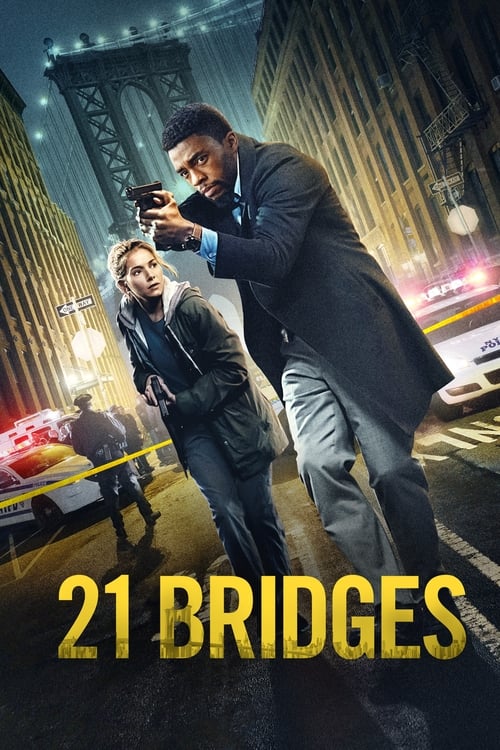
21 Bridges
An embattled NYPD detective, is thrust into a citywide manhunt for a pair of cop killers after uncovering a massive and unexpected conspiracy. As the night unfolds, lines become blurred on who he is pursuing, and who is in pursuit of him.
Working with a mid-range budget of $33.0M, the film achieved a respectable showing with $49.9M in global revenue (+51% profit margin).










Plot Structure
Story beats plotted across runtime


Narrative Arc
Emotional journey through the story's key moments
Story Circle
Blueprint 15-beat structure
Arcplot Score Breakdown
Weighted: Precision (70%) + Arc (15%) + Theme (15%)
21 Bridges (2019) exhibits meticulously timed narrative design, characteristic of Brian Kirk's storytelling approach. This structural analysis examines how the film's 12-point plot structure maps to proven narrative frameworks across 1 hour and 39 minutes. With an Arcplot score of 6.9, the film balances conventional beats with creative variation.
Characters
Cast & narrative archetypes

Andre Davis

Frankie Burns

Ray Jackson
Michael Trujillo

Captain McKenna

Kelly
Main Cast & Characters
Andre Davis
Played by Chadwick Boseman
An NYPD detective known for his relentless pursuit of cop killers, haunted by his father's murder and determined to bring justice at any cost.
Frankie Burns
Played by Sienna Miller
A narcotics detective assigned to work with Davis, initially appearing as an ally but harboring hidden loyalties.
Ray Jackson
Played by Stephan James
A desperate criminal and war veteran who accidentally triggers a deadly heist gone wrong, trying to survive the night.
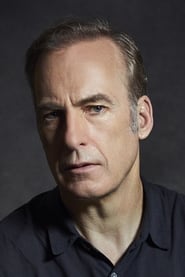
Michael Trujillo
Played by Taylor Kitsch
Ray's volatile and violent partner in crime who escalates situations with ruthless aggression.
Captain McKenna
Played by J.K. Simmons
The precinct captain who assigns Davis to the case and orchestrates the Manhattan lockdown.
Kelly
Played by Louis Cancelmi
An FBI agent who becomes involved in the investigation and reveals larger conspiracies at play.
Structural Analysis
The Status Quo at 1 minutes (1% through the runtime) establishes Young Andre Davis at his father's funeral, a fallen NYPD officer honored with full ceremony. Establishes Andre's identity as shaped by his father's legacy and his belief in the nobility of police work.. Significantly, this early placement immediately immerses viewers in the story world.
The inciting incident occurs at 11 minutes when Eight NYPD officers are killed during a botched drug heist at a wine bar in Brooklyn. The shocking violence and massive loss of police life disrupts the entire city and personally strikes at Andre's core identity as a cop's son.. At 11% through the film, this Disruption aligns precisely with traditional story structure. This beat shifts the emotional landscape, launching the protagonist into the central conflict.
At 49 minutes, the Midpoint arrives at 49% of the runtime—precisely centered, creating perfect narrative symmetry. Significantly, this crucial beat Andre discovers the heist yielded 300 kilos of cocaine, not the expected 30. This revelation shifts everything—the robbery wasn't random, someone set up the criminals, and the massive quantity suggests major institutional involvement. False defeat: the case Andre thought he understood is actually much darker., fundamentally raising what's at risk. The emotional intensity shifts, dividing the narrative into clear before-and-after phases.
The Collapse moment at 73 minutes (74% through) represents the emotional nadir. Here, Andre realizes his partner Frankie Burns is part of the corruption and has been manipulating the investigation. The institution he devoted his life to—the NYPD his father died serving—is rotten. His entire identity and belief system collapses. Metaphorical death of his idealistic worldview., illustrates the protagonist at their lowest point. This beat's placement in the final quarter sets up the climactic reversal.
The Synthesis at 80 minutes initiates the final act resolution at 81% of the runtime. Andre confronts the corrupt cops including Burns and Captain McKenna. Shootout and final confrontation where Andre must use his skills against his own colleagues. He ensures evidence reaches FBI and Internal Affairs. The corrupt network is dismantled, though at the cost of his standing in the department., demonstrating the transformation achieved throughout the journey.
Emotional Journey
21 Bridges's emotional architecture traces a deliberate progression across 12 carefully calibrated beats.
Narrative Framework
This structural analysis employs structural analysis methodology used to understand storytelling architecture. By mapping 21 Bridges against these established plot points, we can identify how Brian Kirk utilizes or subverts traditional narrative conventions. The plot point approach reveals not only adherence to structural principles but also creative choices that distinguish 21 Bridges within the crime genre.
Comparative Analysis
Additional crime films include The Bad Guys, Batman Forever and 12 Rounds.
Plot Points by Act
Act I
SetupStatus Quo
Young Andre Davis at his father's funeral, a fallen NYPD officer honored with full ceremony. Establishes Andre's identity as shaped by his father's legacy and his belief in the nobility of police work.
Theme
During Andre's review hearing, a board member questions whether he's trigger-happy or truly defending justice, asking: "Are you keeping the city safe, or are you just your father's son?" Theme: institutional loyalty vs. true justice, and whether the system serves its ideals.
Worldbuilding
Introduction to adult Andre Davis as an NYPD detective with 8 kills, navigating departmental politics and his controversial reputation. Establishment of his unwavering commitment to the badge and his complicated relationship with the department that both honors and scrutinizes him.
Disruption
Eight NYPD officers are killed during a botched drug heist at a wine bar in Brooklyn. The shocking violence and massive loss of police life disrupts the entire city and personally strikes at Andre's core identity as a cop's son.
Resistance
Andre is recruited by Captain McKenna to lead the manhunt. He meets narcotics detective Frankie Burns who will be his partner. Andre proposes the unprecedented strategy to shut down all 21 bridges, 4 tunnels, and waterways—locking Manhattan island to trap the killers. Preparation and debate before the active hunt begins.
Act II
ConfrontationMirror World
Andre encounters the perspective of the criminals—Ray and Michael—who aren't cold-blooded cop killers but desperate men caught in a setup. This B-story relationship forces Andre to see beyond his black-and-white worldview of "cops good, criminals bad."
Premise
The manhunt through locked-down Manhattan. Andre and Burns track leads, pursue suspects, engage in shootouts and chase sequences. The "promise of the premise"—a cat-and-mouse thriller through an island-prison. Andre demonstrates his detective skills while growing increasingly suspicious of inconsistencies.
Midpoint
Andre discovers the heist yielded 300 kilos of cocaine, not the expected 30. This revelation shifts everything—the robbery wasn't random, someone set up the criminals, and the massive quantity suggests major institutional involvement. False defeat: the case Andre thought he understood is actually much darker.
Opposition
Andre investigates deeper and uncovers evidence of police corruption. His partner Burns becomes suspicious and obstructive. Captain McKenna pressures him to close the case quickly. The criminals, knowing they were set up, become more desperate. Every direction Andre turns, institutional walls close in.
Collapse
Andre realizes his partner Frankie Burns is part of the corruption and has been manipulating the investigation. The institution he devoted his life to—the NYPD his father died serving—is rotten. His entire identity and belief system collapses. Metaphorical death of his idealistic worldview.
Crisis
Andre processes the devastating truth that his colleagues and superiors are criminals. Dark night of the soul where he must decide: protect the institution (his father's legacy) or expose the corruption (actual justice). Faces the cost of doing what's right.
Act III
ResolutionSynthesis
Andre confronts the corrupt cops including Burns and Captain McKenna. Shootout and final confrontation where Andre must use his skills against his own colleagues. He ensures evidence reaches FBI and Internal Affairs. The corrupt network is dismantled, though at the cost of his standing in the department.