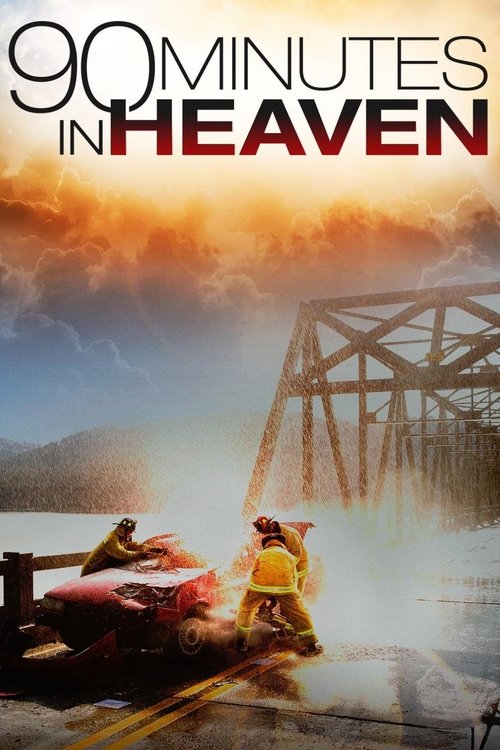
90 Minutes in Heaven
A man involved in a horrific car crash is pronounced dead, only to come back to life an hour and a half later, claiming to have seen Heaven.
The film underperformed commercially against its tight budget of $5.0M, earning $4.8M globally (-3% loss).


Plot Structure
Story beats plotted across runtime


Narrative Arc
Emotional journey through the story's key moments
Story Circle
Blueprint 15-beat structure
Arcplot Score Breakdown
Weighted: Precision (70%) + Arc (15%) + Theme (15%)
90 Minutes in Heaven (2015) reveals meticulously timed narrative architecture, characteristic of Michael Polish's storytelling approach. This structural analysis examines how the film's 15-point plot structure maps to proven narrative frameworks across 2 hours and 1 minutes. With an Arcplot score of 7.7, the film showcases strong structural fundamentals.
Characters
Cast & narrative archetypes

Don Piper
Eva Piper
Jay Perkins
Cliff McArdle
David Gentiles
Main Cast & Characters
Don Piper
Played by Hayden Christensen
Baptist minister who experiences clinical death and heaven after a car accident, then struggles through painful recovery.
Eva Piper
Played by Kate Bosworth
Don's devoted wife who supports him through his traumatic recovery and spiritual crisis.
Jay Perkins
Played by Michael Harding
Fellow minister who finds Don at the accident scene and prays over his body.
Cliff McArdle
Played by Michael W. Smith
Doctor who treats Don during his extensive recovery and rehabilitation.
David Gentiles
Played by Dwight Yoakam
Accident victim who shares hospital room with Don and provides fellowship.
Structural Analysis
The Status Quo at 1 minutes (1% through the runtime) establishes Don Piper is shown as a devoted Baptist minister, loving husband to Eva, and father of three children. He's fulfilled in his ministry work and family life, heading home from a church conference.. The analysis reveals that this early placement immediately immerses viewers in the story world.
The inciting incident occurs at 14 minutes when Don's car is crushed by an 18-wheeler truck on a bridge. He is pronounced dead at the scene. Paramedics cover his body with a tarp. His ordinary life is violently shattered.. At 11% through the film, this Disruption aligns precisely with traditional story structure. This beat shifts the emotional landscape, launching the protagonist into the central conflict.
The First Threshold at 29 minutes marks the transition into Act II, occurring at 24% of the runtime. This shows the protagonist's commitment to Don wakes up in excruciating pain in the hospital, facing the reality that he survived but is catastrophically injured with 34 broken bones. He must choose whether to fight for recovery or give up. He chooses to live for his family., moving from reaction to action.
At 58 minutes, the Midpoint arrives at 48% of the runtime—precisely centered, creating perfect narrative symmetry. Structural examination shows that this crucial beat Don hits a psychological breaking point. After months of suffering, he explodes at Eva and his children, pushing them away. He declares he wishes he had stayed dead in heaven. This false defeat reveals his spiritual crisis has deepened despite physical progress., fundamentally raising what's at risk. The emotional intensity shifts, dividing the narrative into clear before-and-after phases.
The Collapse moment at 90 minutes (75% through) represents the emotional nadir. Here, Don attempts suicide by refusing pain medication, trying to will himself to death. Eva discovers him in crisis. Their marriage nearly dies. Don confesses he feels trapped between heaven and earth, unable to embrace either. This is his darkest moment of complete despair., illustrates the protagonist at their lowest point. This beat's placement in the final quarter sets up the climactic reversal.
The Second Threshold at 95 minutes initiates the final act resolution at 78% of the runtime. Cliff McArdle breaks through to Don, making him realize his experience of heaven wasn't just for him—it was meant to give hope to others facing their own suffering. Don finally opens up about heaven and accepts his purpose is to share his testimony., demonstrating the transformation achieved throughout the journey.
Emotional Journey
90 Minutes in Heaven's emotional architecture traces a deliberate progression across 15 carefully calibrated beats.
Narrative Framework
This structural analysis employs systematic plot point analysis that identifies crucial turning points. By mapping 90 Minutes in Heaven against these established plot points, we can identify how Michael Polish utilizes or subverts traditional narrative conventions. The plot point approach reveals not only adherence to structural principles but also creative choices that distinguish 90 Minutes in Heaven within the drama genre.
Michael Polish's Structural Approach
Among the 2 Michael Polish films analyzed on Arcplot, the average structural score is 7.6, reflecting strong command of classical structure. 90 Minutes in Heaven represents one of the director's most structurally precise works. For comparative analysis, explore the complete Michael Polish filmography.
Comparative Analysis
Additional drama films include After Thomas, South Pacific and Dirty Dancing: Havana Nights. For more Michael Polish analyses, see The Astronaut Farmer.
Plot Points by Act
Act I
SetupStatus Quo
Don Piper is shown as a devoted Baptist minister, loving husband to Eva, and father of three children. He's fulfilled in his ministry work and family life, heading home from a church conference.
Theme
At the conference, a fellow pastor discusses the nature of faith, suffering, and God's purpose in trials, foreshadowing Don's coming test: "Sometimes God's greatest work happens in our darkest moments."
Worldbuilding
Establishment of Don's normal world: his ministry work, relationship with Eva and their children, his faith community, and the routine of pastoral life. He leaves the conference on a rainy day in January 1989.
Disruption
Don's car is crushed by an 18-wheeler truck on a bridge. He is pronounced dead at the scene. Paramedics cover his body with a tarp. His ordinary life is violently shattered.
Resistance
Don experiences what he describes as heaven for 90 minutes while his body lies dead. Pastor Dick Onerecker arrives at the accident scene, feels compelled to pray over Don's body despite being told he's dead, and sings hymns. Don miraculously revives.
Act II
ConfrontationFirst Threshold
Don wakes up in excruciating pain in the hospital, facing the reality that he survived but is catastrophically injured with 34 broken bones. He must choose whether to fight for recovery or give up. He chooses to live for his family.
Mirror World
Eva becomes Don's anchor to earthly life and faith. Her unwavering commitment and their marriage represent the thematic counterpoint: choosing faith and perseverance through suffering versus despair. Friend Cliff McArdle also enters as spiritual support.
Premise
Don's long, painful recovery journey begins. He endures multiple surgeries, the Ilizarov frame apparatus, constant agony, and psychological torment. He refuses to talk about heaven. Eva struggles to hold the family together while Don becomes increasingly bitter and isolated.
Midpoint
Don hits a psychological breaking point. After months of suffering, he explodes at Eva and his children, pushing them away. He declares he wishes he had stayed dead in heaven. This false defeat reveals his spiritual crisis has deepened despite physical progress.
Opposition
Don's depression intensifies. He isolates himself completely, refusing visitors and spiritual counsel. Eva considers leaving with the children. Don's faith community tries to reach him but he rejects them. His physical therapy stalls as he loses the will to recover.
Collapse
Don attempts suicide by refusing pain medication, trying to will himself to death. Eva discovers him in crisis. Their marriage nearly dies. Don confesses he feels trapped between heaven and earth, unable to embrace either. This is his darkest moment of complete despair.
Crisis
Don lies in darkness, confronting his spiritual emptiness. Eva weeps, feeling she's lost him. The children fear their father is gone forever. Don wrestles with why God brought him back to such suffering if heaven was real and beautiful.
Act III
ResolutionSecond Threshold
Cliff McArdle breaks through to Don, making him realize his experience of heaven wasn't just for him—it was meant to give hope to others facing their own suffering. Don finally opens up about heaven and accepts his purpose is to share his testimony.
Synthesis
Don begins sharing his story publicly, bringing hope to other suffering people. He reconciles with Eva and his children. He completes his physical therapy and learns to walk again. He returns to ministry with a new purpose: testifying to heaven's reality and God's presence in suffering.
Transformation
Don stands before his congregation, walking on his own, and delivers a sermon about his journey. His family sits in the front pew, whole again. Where he once ministered from comfortable faith, he now ministers from tested faith. He has found purpose in his pain.