
A Christmas Carol
Made for television version of the Charles Dickens classic of the same name. Ebenezer Scrooge is a hard-nosed, single-minded businessman in Victorian London. He has disowned his only living relative - his nephew Fred - and generally treats everyone he meets with extreme contempt. He hates Christmas, only cares about making money and only gives his clerk, Bob Cratchit, the day off. However, he is taught the true meaning and spirit of Christmas by three ghosts who show him his own past and present. He is also shown what the future holds for him if he doesn't change his behavior.


Plot Structure
Story beats plotted across runtime


Narrative Arc
Emotional journey through the story's key moments
Story Circle
Blueprint 15-beat structure
Arcplot Score Breakdown
Weighted: Precision (70%) + Arc (15%) + Theme (15%)
A Christmas Carol (1984) reveals meticulously timed dramatic framework, characteristic of Clive Donner's storytelling approach. This structural analysis examines how the film's 15-point plot structure maps to proven narrative frameworks across 1 hour and 41 minutes. With an Arcplot score of 6.8, the film balances conventional beats with creative variation.
Characters
Cast & narrative archetypes
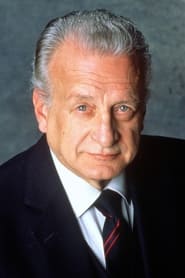
Ebenezer Scrooge
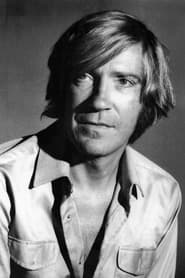
Bob Cratchit
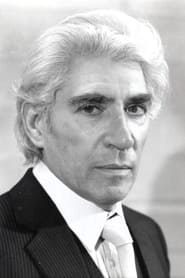
Jacob Marley

Ghost of Christmas Past

Ghost of Christmas Present
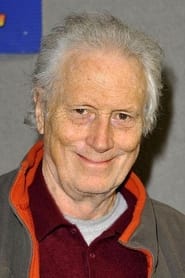
Ghost of Christmas Yet to Come
Fred

Tiny Tim
Main Cast & Characters
Ebenezer Scrooge
Played by George C. Scott
A bitter, miserly businessman who despises Christmas and human kindness until visited by three spirits who transform his worldview.
Bob Cratchit
Played by David Warner
Scrooge's underpaid, overworked clerk who maintains cheerful optimism and devotion to his struggling family despite harsh treatment.
Jacob Marley
Played by Frank Finlay
Scrooge's deceased business partner whose ghost appears in chains to warn Scrooge of his fate if he doesn't change.
Ghost of Christmas Past
Played by Angela Pleasence
A ethereal spirit who takes Scrooge on a journey through his childhood and young adulthood to show what he has lost.
Ghost of Christmas Present
Played by Edward Woodward
A jolly giant who shows Scrooge the Christmas celebrations of others, particularly the Cratchit family and their struggles.
Ghost of Christmas Yet to Come
Played by Michael Carter
A silent, hooded figure who reveals Scrooge's lonely death and its aftermath if he remains unchanged.
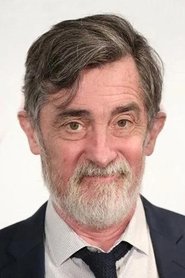
Fred
Played by Roger Rees
Scrooge's cheerful, generous nephew who persistently invites his uncle to Christmas dinner despite repeated rejections.
Tiny Tim
Played by Anthony Walters
Bob Cratchit's youngest son, a frail but optimistic child whose potential death becomes a catalyst for Scrooge's transformation.
Structural Analysis
The Status Quo at 1 minutes (1% through the runtime) establishes Victorian London on Christmas Eve. Scrooge sits alone in his frigid counting house, obsessed with ledgers while his clerk Bob Cratchit shivers. His isolation and miserliness define his existence.. Notably, this early placement immediately immerses viewers in the story world.
The inciting incident occurs at 13 minutes when Jacob Marley's ghost appears to Scrooge in his chambers, wrapped in heavy chains forged from a lifetime of greed. He warns Scrooge of eternal suffering and announces three spirits will visit to offer salvation.. At 13% through the film, this Disruption is delayed, allowing extended setup of the story world. This beat shifts the emotional landscape, launching the protagonist into the central conflict.
The First Threshold at 25 minutes marks the transition into Act II, occurring at 25% of the runtime. This indicates the protagonist's commitment to The Ghost of Christmas Past arrives and commands Scrooge to take its hand. Despite his terror, Scrooge chooses to grasp the spirit's hand and is transported through his bedroom wall into his memories, beginning his supernatural journey., moving from reaction to action.
At 51 minutes, the Midpoint arrives at 50% of the runtime—precisely centered, creating perfect narrative symmetry. Significantly, this crucial beat The Ghost of Christmas Present reveals Tiny Tim and delivers the devastating blow: "I see a vacant seat and a crutch without an owner." Scrooge's own words about decreasing the surplus population are thrown back at him. The stakes become life and death., fundamentally raising what's at risk. The emotional intensity shifts, dividing the narrative into clear before-and-after phases.
The Collapse moment at 76 minutes (75% through) represents the emotional nadir. Here, Scrooge stands before his own neglected grave, realizing the unmourned death everyone discussed was his own. Tiny Tim has died. His entire life amounts to nothing but a forgotten headstone. This is his spiritual death before rebirth., demonstrates the protagonist at their lowest point. This beat's placement in the final quarter sets up the climactic reversal.
The Second Threshold at 81 minutes initiates the final act resolution at 80% of the runtime. Scrooge awakens in his own bed on Christmas morning, alive and transformed. He embraces the second chance with overwhelming joy, laughing and weeping simultaneously. He synthesizes the lessons of all three spirits into resolved action., demonstrating the transformation achieved throughout the journey.
Emotional Journey
A Christmas Carol's emotional architecture traces a deliberate progression across 15 carefully calibrated beats.
Narrative Framework
This structural analysis employs systematic plot point analysis that identifies crucial turning points. By mapping A Christmas Carol against these established plot points, we can identify how Clive Donner utilizes or subverts traditional narrative conventions. The plot point approach reveals not only adherence to structural principles but also creative choices that distinguish A Christmas Carol within the drama genre.
Comparative Analysis
Additional drama films include After Thomas, South Pacific and Dirty Dancing: Havana Nights.
Plot Points by Act
Act I
SetupStatus Quo
Victorian London on Christmas Eve. Scrooge sits alone in his frigid counting house, obsessed with ledgers while his clerk Bob Cratchit shivers. His isolation and miserliness define his existence.
Theme
Scrooge's nephew Fred declares that Christmas is "a kind, forgiving, charitable time" when people open their hearts freely. He embodies the generosity Scrooge has rejected, stating the theme of human connection over material wealth.
Worldbuilding
Scrooge's cold world is established: he refuses Fred's Christmas dinner invitation, dismisses charity collectors with "Are there no prisons?", reluctantly grants Cratchit Christmas Day off, and walks home through festive streets unmoved by celebration.
Disruption
Jacob Marley's ghost appears to Scrooge in his chambers, wrapped in heavy chains forged from a lifetime of greed. He warns Scrooge of eternal suffering and announces three spirits will visit to offer salvation.
Resistance
Scrooge processes Marley's terrifying warning. He tries to dismiss it as indigestion, but fear creeps in. He waits anxiously for the first spirit, debating whether to heed the warning or cling to his cynical worldview.
Act II
ConfrontationFirst Threshold
The Ghost of Christmas Past arrives and commands Scrooge to take its hand. Despite his terror, Scrooge chooses to grasp the spirit's hand and is transported through his bedroom wall into his memories, beginning his supernatural journey.
Mirror World
Scrooge sees his younger self at Fezziwig's joyous Christmas party, dancing with Belle. This mirror of his lost capacity for love and joy represents what he sacrificed for wealth. The spirits collectively embody what Scrooge must learn.
Premise
The promise of the premise: Scrooge is shown Christmases Past and Present. He witnesses his lonely boarding school boyhood, his apprenticeship with kind Fezziwig, Belle breaking their engagement, and the Ghost of Christmas Present revealing the Cratchits' humble celebration.
Midpoint
The Ghost of Christmas Present reveals Tiny Tim and delivers the devastating blow: "I see a vacant seat and a crutch without an owner." Scrooge's own words about decreasing the surplus population are thrown back at him. The stakes become life and death.
Opposition
Scrooge confronts the consequences of his philosophy. He sees Ignorance and Want beneath the Ghost's robes, witnesses his nephew's party mocking him, and finally meets the terrifying Ghost of Christmas Yet to Come who shows him a world indifferent to a death.
Collapse
Scrooge stands before his own neglected grave, realizing the unmourned death everyone discussed was his own. Tiny Tim has died. His entire life amounts to nothing but a forgotten headstone. This is his spiritual death before rebirth.
Crisis
Scrooge collapses at his gravestone in anguish, begging the spirit for a chance to change. He processes the full weight of his wasted life, desperately pleading that the shadows of what may be can still be altered.
Act III
ResolutionSecond Threshold
Scrooge awakens in his own bed on Christmas morning, alive and transformed. He embraces the second chance with overwhelming joy, laughing and weeping simultaneously. He synthesizes the lessons of all three spirits into resolved action.
Synthesis
Scrooge executes his transformation: he sends the prize turkey to the Cratchits, donates generously to charity, attends Fred's dinner with humility, and arrives at Bob's home to raise his salary and become a second father to Tiny Tim.
Transformation
Scrooge holds Tiny Tim, who lives, surrounded by the Cratchit family. He has become the embodiment of Christmas spirit—generous, loving, connected. The miser who sat alone counting coins now counts blessings among those he loves.