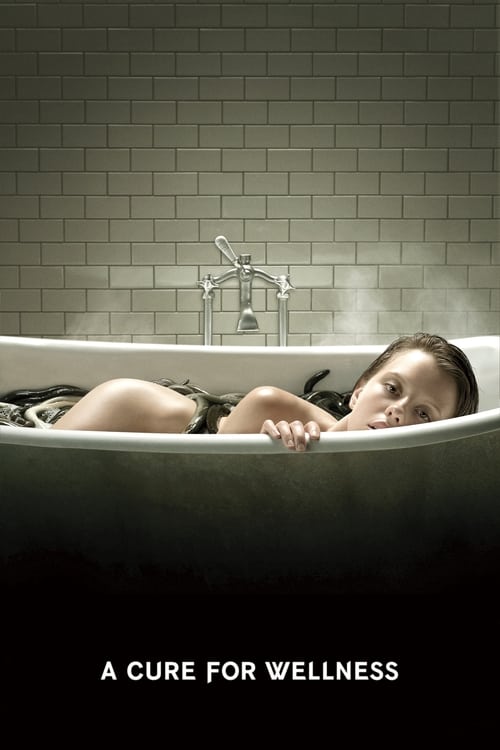
A Cure for Wellness
An ambitious young executive is sent to retrieve his company's CEO from an idyllic but mysterious "wellness center" at a remote location in the Swiss Alps but soon suspects that the spa's miraculous treatments are not what they seem.
The film disappointed at the box office against its moderate budget of $40.0M, earning $26.6M globally (-33% loss). While initial box office returns were modest, the film has gained appreciation for its unique voice within the horror genre.
4 wins & 5 nominations


Plot Structure
Story beats plotted across runtime


Narrative Arc
Emotional journey through the story's key moments
Story Circle
Blueprint 15-beat structure
Arcplot Score Breakdown
Weighted: Precision (70%) + Arc (15%) + Theme (15%)
A Cure for Wellness (2017) exemplifies carefully calibrated story structure, characteristic of Gore Verbinski's storytelling approach. This structural analysis examines how the film's 15-point plot structure maps to proven narrative frameworks across 2 hours and 26 minutes. With an Arcplot score of 6.9, the film balances conventional beats with creative variation.
Characters
Cast & narrative archetypes

Lockhart
Dr. Volmer
Hannah
Pembroke
Main Cast & Characters
Lockhart
Played by Dane DeHaan
An ambitious young executive sent to retrieve his company's CEO from a mysterious wellness center in the Swiss Alps.
Dr. Volmer
Played by Jason Isaacs
The enigmatic director of the wellness center who harbors dark secrets about his treatments and the facility's history.
Hannah
Played by Mia Goth
A mysterious young woman who has lived at the wellness center her entire life, seemingly innocent but central to Volmer's plans.
Pembroke
Played by Harry Groener
Lockhart's company CEO who has become a patient at the wellness center and refuses to leave.
Structural Analysis
The Status Quo at 2 minutes (1% through the runtime) establishes Lockhart works ruthlessly in a corporate office, representing the cutthroat world of finance where ambition trumps ethics. His world is sterile, competitive, and driven by greed.. Notably, this early placement immediately immerses viewers in the story world.
The inciting incident occurs at 17 minutes when Lockhart is ordered to retrieve Pembroke from the remote wellness center in the Swiss Alps or face consequences for his own financial crimes. His comfortable corrupt world is disrupted.. At 12% through the film, this Disruption aligns precisely with traditional story structure. This beat shifts the emotional landscape, launching the protagonist into the central conflict.
The First Threshold at 37 minutes marks the transition into Act II, occurring at 25% of the runtime. This reveals the protagonist's commitment to Lockhart's car crashes on the mountain road as he attempts to leave. He wakes with a broken leg, now trapped as a patient at the wellness center. He actively crosses into the world he was investigating., moving from reaction to action.
At 74 minutes, the Midpoint arrives at 50% of the runtime—precisely centered, creating perfect narrative symmetry. Notably, this crucial beat Lockhart discovers the underground chamber with eels and deformed creatures, learning the water is toxic and patients are being used. False defeat: he realizes the horror's scope but is still trapped and disbelieved., fundamentally raising what's at risk. The emotional intensity shifts, dividing the narrative into clear before-and-after phases.
The Collapse moment at 110 minutes (76% through) represents the emotional nadir. Here, Lockhart is strapped down for full psychological breakdown treatment, subjected to horrific sensory torture. His identity dissolves, and he hallucinates his own traumatic past. This is his darkest moment of total helplessness., illustrates the protagonist at their lowest point. This beat's placement in the final quarter sets up the climactic reversal.
The Second Threshold at 117 minutes initiates the final act resolution at 80% of the runtime. Lockhart escapes his restraints and realizes he must save Hannah from Volmer's wedding night ritual. He synthesizes his corporate cunning with newfound moral purpose, choosing to fight rather than flee., demonstrating the transformation achieved throughout the journey.
Emotional Journey
A Cure for Wellness's emotional architecture traces a deliberate progression across 15 carefully calibrated beats.
Narrative Framework
This structural analysis employs structural analysis methodology used to understand storytelling architecture. By mapping A Cure for Wellness against these established plot points, we can identify how Gore Verbinski utilizes or subverts traditional narrative conventions. The plot point approach reveals not only adherence to structural principles but also creative choices that distinguish A Cure for Wellness within the horror genre.
Gore Verbinski's Structural Approach
Among the 9 Gore Verbinski films analyzed on Arcplot, the average structural score is 7.1, reflecting strong command of classical structure. A Cure for Wellness takes a more unconventional approach compared to the director's typical style. For comparative analysis, explore the complete Gore Verbinski filmography.
Comparative Analysis
Additional horror films include Thinner, A Nightmare on Elm Street and Mary Reilly. For more Gore Verbinski analyses, see MouseHunt, Pirates of the Caribbean: The Curse of the Black Pearl and Rango.
Plot Points by Act
Act I
SetupStatus Quo
Lockhart works ruthlessly in a corporate office, representing the cutthroat world of finance where ambition trumps ethics. His world is sterile, competitive, and driven by greed.
Theme
A colleague mentions Pembroke's letter about the "sickness" of their world and seeking a "cure." This plants the thematic question: what truly makes us sick, and what constitutes real wellness?
Worldbuilding
Establishment of Lockhart's corporate world: illegal merger, blackmail leverage against him, and his assignment to retrieve Pembroke from a Swiss wellness center. The ruthless business culture and Lockhart's complicity are revealed.
Disruption
Lockhart is ordered to retrieve Pembroke from the remote wellness center in the Swiss Alps or face consequences for his own financial crimes. His comfortable corrupt world is disrupted.
Resistance
Lockhart travels to the ominous spa, meets resistance from Volmer and staff, encounters the mysterious Hannah, and observes disturbing patient behavior. He debates leaving but is increasingly drawn into the mystery.
Act II
ConfrontationFirst Threshold
Lockhart's car crashes on the mountain road as he attempts to leave. He wakes with a broken leg, now trapped as a patient at the wellness center. He actively crosses into the world he was investigating.
Mirror World
Hannah, the mysterious young woman at the spa, represents innocence untainted by the corruption Lockhart came from. Her strange purity contrasts with his cynical worldview and will teach him what matters.
Premise
Lockhart investigates the wellness center's secrets: disturbing treatments, historical backstory of the Baron, mysterious water properties, and patients who never leave. The Gothic mystery horror unfolds as promised.
Midpoint
Lockhart discovers the underground chamber with eels and deformed creatures, learning the water is toxic and patients are being used. False defeat: he realizes the horror's scope but is still trapped and disbelieved.
Opposition
Volmer tightens control, subjecting Lockhart to forced treatments and sensory deprivation. Lockhart's sanity is questioned, he's increasingly isolated, and discovers Hannah's true identity as Volmer's daughter and the Baron's reincarnation plot.
Collapse
Lockhart is strapped down for full psychological breakdown treatment, subjected to horrific sensory torture. His identity dissolves, and he hallucinates his own traumatic past. This is his darkest moment of total helplessness.
Crisis
Lockhart processes his trauma and breakdown, confronting memories of his father's suicide. He must integrate his fractured psyche to find the will to act and save Hannah from Volmer's incestuous plan.
Act III
ResolutionSecond Threshold
Lockhart escapes his restraints and realizes he must save Hannah from Volmer's wedding night ritual. He synthesizes his corporate cunning with newfound moral purpose, choosing to fight rather than flee.
Synthesis
Lockhart battles through the burning spa, confronts Volmer, exposes the centuries-old incestuous conspiracy, and fights to free Hannah. The finale includes Volmer's death by eels and the destruction of the wellness center.
Transformation
Lockhart sits calmly on a bicycle in the middle of the road, blocking traffic from the corporate car sent to retrieve him, smiling with unsettling serenity. He's transformed, but ambiguously—freed from corporate sickness but possibly embracing the spa's madness.