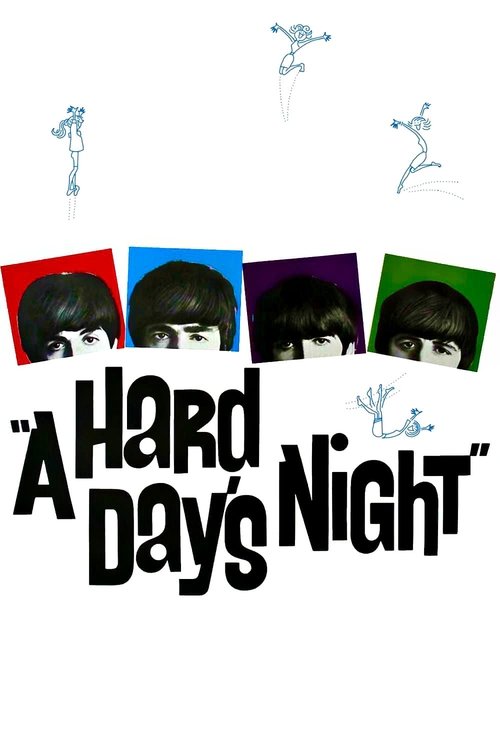
A Hard Day's Night
Capturing John Lennon, Paul McCartney, George Harrison and Ringo Starr in their electrifying element, 'A Hard Day's Night' is a wildly irreverent journey through this pastiche of a day in the life of The Beatles during 1964. The band have to use all their guile and wit to avoid the pursuing fans and press to reach their scheduled television performance, in spite of Paul's troublemaking grandfather and Ringo's arrest.
Despite its shoestring budget of $560K, A Hard Day's Night became a massive hit, earning $11.0M worldwide—a remarkable 1864% return. The film's compelling narrative found its audience, showing that strong storytelling can transcend budget limitations.
Nominated for 2 Oscars. 2 wins & 7 nominations


Plot Structure
Story beats plotted across runtime


Narrative Arc
Emotional journey through the story's key moments
Story Circle
Blueprint 15-beat structure
Arcplot Score Breakdown
Weighted: Precision (70%) + Arc (15%) + Theme (15%)
A Hard Day's Night (1964) exemplifies meticulously timed narrative architecture, characteristic of Richard Lester's storytelling approach. This structural analysis examines how the film's 15-point plot structure maps to proven narrative frameworks across 1 hour and 28 minutes. With an Arcplot score of 6.8, the film balances conventional beats with creative variation.
Characters
Cast & narrative archetypes
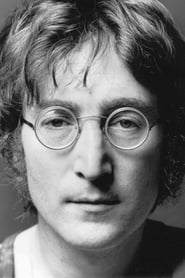
John Lennon

Paul McCartney

George Harrison
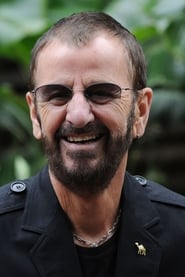
Ringo Starr
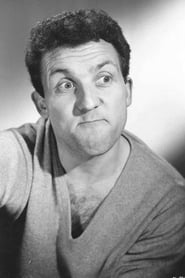
Norm
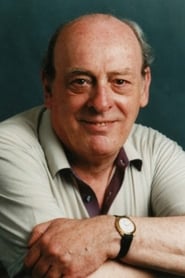
Shake

Paul's Grandfather
Main Cast & Characters
John Lennon
Played by John Lennon
The witty, rebellious member of The Beatles who questions authority and provides sharp comedic commentary throughout their chaotic day.
Paul McCartney
Played by Paul McCartney
The charming, diplomatic Beatle who serves as the group's smooth talker and romantic heart, always trying to keep things harmonious.
George Harrison
Played by George Harrison
The quiet, sardonic Beatle who observes the madness with dry wit and occasional philosophical detachment.
Ringo Starr
Played by Ringo Starr
The lovable, melancholic drummer who wanders off seeking personal freedom and becomes the film's sympathetic emotional center.
Norm
Played by Norman Rossington
The Beatles' harried, no-nonsense road manager who constantly tries (and fails) to keep the band on schedule and out of trouble.
Shake
Played by John Junkin
Norm's assistant who nervously helps manage the Beatles' chaotic schedule while trying to please his boss.
Paul's Grandfather
Played by Wilfrid Brambell
A mischievous troublemaker who thrives on causing chaos, manipulating people, and stirring up problems wherever he goes.
Structural Analysis
The Status Quo at 1 minutes (1% through the runtime) establishes The Beatles run through the streets pursued by screaming fans, establishing their world of constant chaos and fame. This opening chase sequence shows their status quo: trapped by celebrity, on the run, but energized and together.. The analysis reveals that this early placement immediately immerses viewers in the story world.
The inciting incident occurs at 11 minutes when Paul's grandfather is revealed to be a "clean old man" who is actually a troublemaker and mixer. His presence disrupts the band's routine, introducing an element of chaos they can't control. He represents the rebellion they themselves embody, now turned back on them.. At 13% through the film, this Disruption is delayed, allowing extended setup of the story world. This beat shifts the emotional landscape, launching the protagonist into the central conflict.
The First Threshold at 22 minutes marks the transition into Act II, occurring at 25% of the runtime. This indicates the protagonist's commitment to The Beatles escape their handlers and break free into the open field in the iconic "Can't Buy Me Love" sequence. This is their active choice to reject confinement and embrace freedom, even if temporary. They enter the "fun and games" world of liberation., moving from reaction to action.
At 44 minutes, the Midpoint arrives at 50% of the runtime—precisely centered, creating perfect narrative symmetry. Significantly, this crucial beat The grandfather's meddling reaches a peak as he manipulates Ringo, planting seeds of doubt about his importance to the band. What seemed like harmless mischief now threatens the group's unity. False defeat: the stakes are raised as internal conflict emerges., fundamentally raising what's at risk. The emotional intensity shifts, dividing the narrative into clear before-and-after phases.
The Collapse moment at 66 minutes (75% through) represents the emotional nadir. Here, Ringo, convinced he's unappreciated, walks out on the band and goes wandering alone. He is arrested by police for wandering suspiciously. The group is broken, the TV show is in jeopardy, and Ringo's individual identity quest has led to isolation and danger. All is lost., shows the protagonist at their lowest point. This beat's placement in the final quarter sets up the climactic reversal.
The Second Threshold at 70 minutes initiates the final act resolution at 80% of the runtime. Ringo is found and rescued. The band reunites with new appreciation for each other. They synthesize their lesson: individual freedom matters, but so does unity. Armed with this understanding, they race to make the TV performance, together., demonstrating the transformation achieved throughout the journey.
Emotional Journey
A Hard Day's Night's emotional architecture traces a deliberate progression across 15 carefully calibrated beats.
Narrative Framework
This structural analysis employs proven narrative structure principles that track dramatic progression. By mapping A Hard Day's Night against these established plot points, we can identify how Richard Lester utilizes or subverts traditional narrative conventions. The plot point approach reveals not only adherence to structural principles but also creative choices that distinguish A Hard Day's Night within the comedy genre.
Richard Lester's Structural Approach
Among the 5 Richard Lester films analyzed on Arcplot, the average structural score is 7.1, reflecting strong command of classical structure. A Hard Day's Night takes a more unconventional approach compared to the director's typical style. For comparative analysis, explore the complete Richard Lester filmography.
Comparative Analysis
Additional comedy films include The Bad Guys, Ella Enchanted and The Evening Star. For more Richard Lester analyses, see Superman II, The Three Musketeers and The Four Musketeers.
Plot Points by Act
Act I
SetupStatus Quo
The Beatles run through the streets pursued by screaming fans, establishing their world of constant chaos and fame. This opening chase sequence shows their status quo: trapped by celebrity, on the run, but energized and together.
Theme
On the train, a stuffy businessman complains about the band's behavior and noise. The conflict between conformity/authority and freedom/youth is stated, asking: Can you stay true to yourself under society's pressure?
Worldbuilding
The Beatles board the train to London for a TV appearance. We meet Paul's troublesome grandfather, the band's harried manager Norm, and road manager Shake. The world is established: constant movement, media obligations, confinement, and the tension between their rebellious spirit and professional demands.
Disruption
Paul's grandfather is revealed to be a "clean old man" who is actually a troublemaker and mixer. His presence disrupts the band's routine, introducing an element of chaos they can't control. He represents the rebellion they themselves embody, now turned back on them.
Resistance
The band navigates increasing restrictions: pressured by management, confined to hotel rooms, expected to rehearse and behave. The grandfather stirs trouble, encouraging Ringo to rebel. The debate is whether to submit to authority or assert independence.
Act II
ConfrontationFirst Threshold
The Beatles escape their handlers and break free into the open field in the iconic "Can't Buy Me Love" sequence. This is their active choice to reject confinement and embrace freedom, even if temporary. They enter the "fun and games" world of liberation.
Mirror World
Ringo's relationship with the grandfather deepens. The older man represents both wisdom and mischief, teaching Ringo about self-worth and independence. This subplot carries the theme: individual identity versus group conformity.
Premise
The promise of the premise: watching the Beatles be the Beatles. Comic vignettes, musical performances, witty banter, flirtations, and rebellion against authority. The band navigates TV studio rehearsals, press conferences, and various escapades with playful defiance.
Midpoint
The grandfather's meddling reaches a peak as he manipulates Ringo, planting seeds of doubt about his importance to the band. What seemed like harmless mischief now threatens the group's unity. False defeat: the stakes are raised as internal conflict emerges.
Opposition
Pressure intensifies from all sides: management demands compliance, the TV production is at risk, and Ringo's self-doubt grows. The grandfather causes more trouble, the band members bicker, and the external authorities (police, producers) close in. The fun is over.
Collapse
Ringo, convinced he's unappreciated, walks out on the band and goes wandering alone. He is arrested by police for wandering suspiciously. The group is broken, the TV show is in jeopardy, and Ringo's individual identity quest has led to isolation and danger. All is lost.
Crisis
The band realizes Ringo is missing. Guilt and worry set in. They must confront what they've taken for granted. Ringo sits in a police station, alone and dejected. The dark night of the soul: separation has revealed what matters.
Act III
ResolutionSecond Threshold
Ringo is found and rescued. The band reunites with new appreciation for each other. They synthesize their lesson: individual freedom matters, but so does unity. Armed with this understanding, they race to make the TV performance, together.
Synthesis
The finale: a mad dash to the theater, navigating obstacles as a unified team. The Beatles perform on live television, successful because they're together and true to themselves. They've balanced freedom with responsibility, individuality with unity. The performance is triumphant.
Transformation
The Beatles escape via helicopter from the theater roof, rising above the chaos. Unlike the opening chase on foot, they now ascend together, liberated but united. They've transformed from four individuals trapped by fame into a cohesive unit that embraces both freedom and commitment.