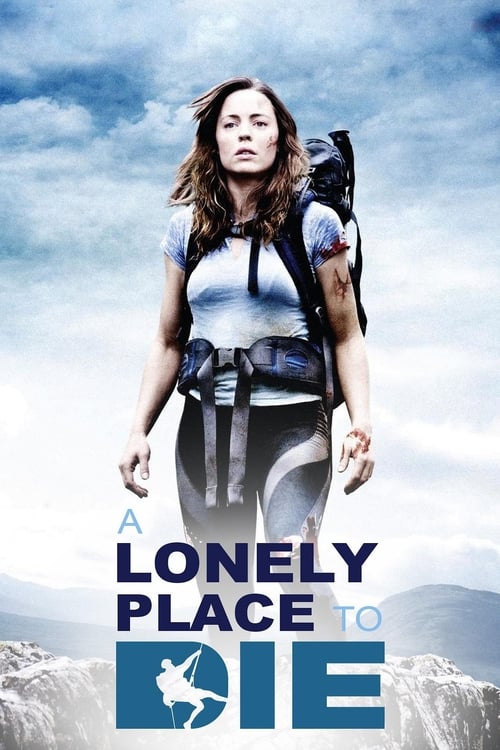
A Lonely Place to Die
A group of five mountaineers are hiking and climbing in the Scottish Highlands when they discover a young Serbian girl buried in a small chamber in the wilderness. They become caught up in a terrifying game of cat and mouse with the kidnappers as they try to get the girl to safety.
Despite its tight budget of $4.0M, A Lonely Place to Die became a box office phenomenon, earning $25.3M worldwide—a remarkable 534% return. The film's innovative storytelling connected with viewers, demonstrating that strong storytelling can transcend budget limitations.


Plot Structure
Story beats plotted across runtime


Narrative Arc
Emotional journey through the story's key moments
Story Circle
Blueprint 15-beat structure
Arcplot Score Breakdown
Weighted: Precision (70%) + Arc (15%) + Theme (15%)
A Lonely Place to Die (2011) exhibits meticulously timed narrative design, characteristic of Julian Gilbey's storytelling approach. This structural analysis examines how the film's 15-point plot structure maps to proven narrative frameworks across 1 hour and 39 minutes. With an Arcplot score of 7.4, the film balances conventional beats with creative variation.
Characters
Cast & narrative archetypes

Alison
Rob
Ed
Jenny
Alex
Mr. Kidd
Anna
Darko
Main Cast & Characters
Alison
Played by Melissa George
Experienced mountaineer who discovers a kidnapped girl and fights to protect her from ruthless criminals.
Rob
Played by Alec Newman
Alison's boyfriend and climbing partner who tries to help rescue the kidnapped child.
Ed
Played by Ed Speleers
Member of the climbing group who joins the rescue effort.
Jenny
Played by Kate Magowan
Climber in the group who becomes a victim of the pursuers.
Alex
Played by Garry Sweeney
Climber who helps in the initial rescue but faces deadly consequences.
Mr. Kidd
Played by Sean Harris
Ruthless mercenary leading the pursuit to recapture the kidnapped girl.
Anna
Played by Holly Boyd
Young girl who has been kidnapped and is being hunted by criminals.
Darko
Played by Karel Roden
Mercenary working with Kidd to recapture the girl.
Structural Analysis
The Status Quo at 1 minutes (1% through the runtime) establishes Five mountaineers (Alison, Rob, Ed, Jenny, and Alex) are climbing in the Scottish Highlands, displaying skill and camaraderie in their natural element.. Of particular interest, this early placement immediately immerses viewers in the story world.
The inciting incident occurs at 10 minutes when The group hears desperate cries for help coming from underground and discovers a buried pipe - someone is trapped below.. At 10% through the film, this Disruption aligns precisely with traditional story structure. This beat shifts the emotional landscape, launching the protagonist into the central conflict.
The First Threshold at 24 minutes marks the transition into Act II, occurring at 24% of the runtime. This reveals the protagonist's commitment to Alison and Rob commit to taking Anna down the mountain to safety while the others go for help, actively choosing to become protectors despite unknown dangers., moving from reaction to action.
At 48 minutes, the Midpoint arrives at 48% of the runtime—precisely centered, creating perfect narrative symmetry. Significantly, this crucial beat Rob is shot and killed by the pursuers. What seemed like a rescue mission becomes a fight for survival. Alison realizes she's alone against professional killers., fundamentally raising what's at risk. The emotional intensity shifts, dividing the narrative into clear before-and-after phases.
The Collapse moment at 72 minutes (72% through) represents the emotional nadir. Here, Alison is captured and Anna is taken by the kidnappers. Alison has failed to protect the child. Her climbing partner Ed is also dead - multiple deaths mark the lowest point., reveals the protagonist at their lowest point. This beat's placement in the final quarter sets up the climactic reversal.
The Second Threshold at 77 minutes initiates the final act resolution at 78% of the runtime. Alison escapes and synthesizes her climbing skills with newfound ruthlessness. She understands the full conspiracy and commits to rescuing Anna at any cost., demonstrating the transformation achieved throughout the journey.
Emotional Journey
A Lonely Place to Die's emotional architecture traces a deliberate progression across 15 carefully calibrated beats.
Narrative Framework
This structural analysis employs structural analysis methodology used to understand storytelling architecture. By mapping A Lonely Place to Die against these established plot points, we can identify how Julian Gilbey utilizes or subverts traditional narrative conventions. The plot point approach reveals not only adherence to structural principles but also creative choices that distinguish A Lonely Place to Die within the adventure genre.
Comparative Analysis
Additional adventure films include The Black Stallion, The Bad Guys and Puss in Boots.
Plot Points by Act
Act I
SetupStatus Quo
Five mountaineers (Alison, Rob, Ed, Jenny, and Alex) are climbing in the Scottish Highlands, displaying skill and camaraderie in their natural element.
Theme
Conversation about risk-taking and trust while climbing foreshadows the moral choices ahead: "Sometimes you have to trust people with your life."
Worldbuilding
Establishes the group dynamics, Alison's leadership and expertise, the remote wilderness setting, and the inherent dangers of their sport.
Disruption
The group hears desperate cries for help coming from underground and discovers a buried pipe - someone is trapped below.
Resistance
The group debates what to do. They excavate and discover Anna, a young girl trapped in an underground chamber. They must decide whether to split up or stay together to rescue her.
Act II
ConfrontationFirst Threshold
Alison and Rob commit to taking Anna down the mountain to safety while the others go for help, actively choosing to become protectors despite unknown dangers.
Mirror World
Alison bonds with traumatized Anna, showing maternal protective instincts. The relationship represents the theme of responsibility and moral duty to protect the innocent.
Premise
The survival chase begins. Armed men pursue Alison and Rob through treacherous mountain terrain. The climbing skills promised in the setup become tools for survival and escape.
Midpoint
Rob is shot and killed by the pursuers. What seemed like a rescue mission becomes a fight for survival. Alison realizes she's alone against professional killers.
Opposition
The killers close in from multiple directions. Alison and Anna flee to a village festival, but the hunters follow. Allies are killed. The antagonists' ruthlessness and resources become clear.
Collapse
Alison is captured and Anna is taken by the kidnappers. Alison has failed to protect the child. Her climbing partner Ed is also dead - multiple deaths mark the lowest point.
Crisis
Alison is wounded and seemingly defeated, but processes the loss and finds new resolve. She learns Anna's father orchestrated the kidnapping for ransom.
Act III
ResolutionSecond Threshold
Alison escapes and synthesizes her climbing skills with newfound ruthlessness. She understands the full conspiracy and commits to rescuing Anna at any cost.
Synthesis
Alison uses mountain terrain and climbing expertise to turn the tables on her pursuers. Final confrontation with the mercenaries and Anna's father. Alison saves Anna and eliminates the threats.
Transformation
Alison and Anna walk away together, traumatized but alive. Alison has transformed from recreational climber to fierce protector, having proven the depth of human courage and sacrifice.