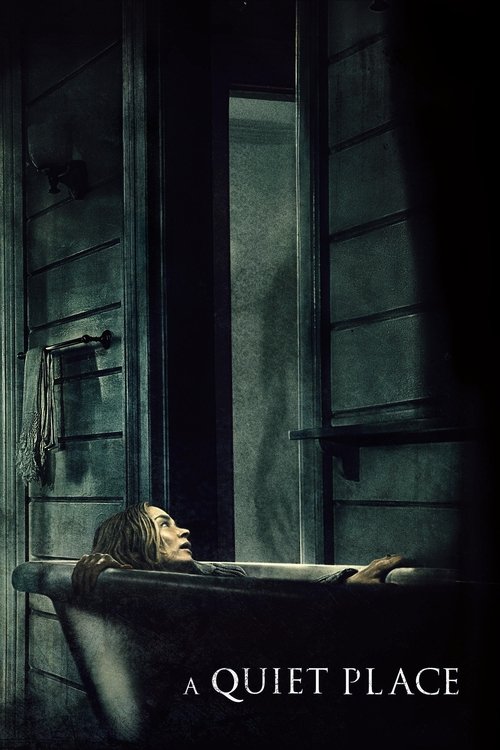
A Quiet Place
A family is forced to live in silence while hiding from creatures that hunt by sound.
Despite a mid-range budget of $17.0M, A Quiet Place became a runaway success, earning $341.0M worldwide—a remarkable 1906% return.
Nominated for 1 Oscar. 38 wins & 129 nominations


Plot Structure
Story beats plotted across runtime


Narrative Arc
Emotional journey through the story's key moments
Story Circle
Blueprint 15-beat structure
Arcplot Score Breakdown
Weighted: Precision (70%) + Arc (15%) + Theme (15%)
A Quiet Place (2018) exhibits meticulously timed narrative architecture, characteristic of John Krasinski's storytelling approach. This structural analysis examines how the film's 15-point plot structure maps to proven narrative frameworks across 1 hour and 31 minutes. With an Arcplot score of 7.2, the film balances conventional beats with creative variation.
Characters
Cast & narrative archetypes

Lee Abbott
Evelyn Abbott
Regan Abbott
Marcus Abbott
Main Cast & Characters
Lee Abbott
Played by John Krasinski
Resourceful father and engineer who protects his family in silence while grappling with guilt over his son's death.
Evelyn Abbott
Played by Emily Blunt
Pregnant mother who maintains hope and strength while navigating a world where any sound means death.
Regan Abbott
Played by Millicent Simmonds
Deaf teenage daughter who carries guilt over her brother's death and discovers her cochlear implant affects the creatures.
Marcus Abbott
Played by Noah Jupe
Fearful young son who must overcome his terror to help his family survive.
Structural Analysis
The Status Quo at 1 minutes (1% through the runtime) establishes The Abbott family scavenges silently through an abandoned store on Day 89 of the alien invasion. They communicate only through sign language, walking barefoot on carefully marked sand paths, establishing a world where sound equals death.. The analysis reveals that this early placement immediately immerses viewers in the story world.
The inciting incident occurs at 5 minutes when Beau activates the toy space shuttle, making noise. An unseen creature attacks and kills him instantly while Lee runs desperately but arrives too late. The family's worst fear is realized - they failed to protect their youngest child.. At 6% through the film, this Disruption arrives earlier than typical, accelerating the narrative momentum. This beat shifts the emotional landscape, launching the protagonist into the central conflict.
The First Threshold at 22 minutes marks the transition into Act II, occurring at 25% of the runtime. This reveals the protagonist's commitment to Evelyn goes into labor, and her water breaks on the basement stairs. With Lee and the children away, she is alone and must navigate the terror of childbirth without making a sound - the family's controlled survival strategy collapses into immediate life-or-death crisis., moving from reaction to action.
At 46 minutes, the Midpoint arrives at 51% of the runtime—precisely centered, creating perfect narrative symmetry. Significantly, this crucial beat Evelyn steps on an exposed nail while trying to escape the creature in the bathroom, letting out a scream of pain while holding her newborn. The creature attacks. She barely escapes to the bathtub. The stakes are at their highest - mother and newborn infant versus the creature, with no way to stay silent., fundamentally raising what's at risk. The emotional intensity shifts, dividing the narrative into clear before-and-after phases.
The Collapse moment at 67 minutes (74% through) represents the emotional nadir. Here, Lee sacrifices himself to save his children. After signing to Regan "I have always loved you" - words she needed to hear since Beau's death - he screams to draw the creature away from her and Marcus. The creature kills him. The family's protector is dead., indicates the protagonist at their lowest point. This beat's placement in the final quarter sets up the climactic reversal.
The Second Threshold at 74 minutes initiates the final act resolution at 81% of the runtime. Regan realizes the feedback from her cochlear implant is a weapon - it's what caused the creature to hesitate. She understands her father's research and sacrifice have given them the tool to fight back. She places the implant by the microphone, weaponizing the sound system Lee built., demonstrating the transformation achieved throughout the journey.
Emotional Journey
A Quiet Place's emotional architecture traces a deliberate progression across 15 carefully calibrated beats.
Narrative Framework
This structural analysis employs proven narrative structure principles that track dramatic progression. By mapping A Quiet Place against these established plot points, we can identify how John Krasinski utilizes or subverts traditional narrative conventions. The plot point approach reveals not only adherence to structural principles but also creative choices that distinguish A Quiet Place within the horror genre.
John Krasinski's Structural Approach
Among the 3 John Krasinski films analyzed on Arcplot, the average structural score is 7.2, reflecting strong command of classical structure. A Quiet Place takes a more unconventional approach compared to the director's typical style. For comparative analysis, explore the complete John Krasinski filmography.
Comparative Analysis
Additional horror films include Thinner, A Nightmare on Elm Street and Mary Reilly. For more John Krasinski analyses, see IF, A Quiet Place Part II.
Plot Points by Act
Act I
SetupStatus Quo
The Abbott family scavenges silently through an abandoned store on Day 89 of the alien invasion. They communicate only through sign language, walking barefoot on carefully marked sand paths, establishing a world where sound equals death.
Theme
Lee puts down a toy space shuttle for Beau, then looks at his young son with both love and fear - establishing the film's core theme: what it means to protect your children in an impossible world, and whether survival is worth it without being able to truly live.
Worldbuilding
The family's carefully constructed silent world is revealed: sand paths, soundproofed basement, LED communication system, painted floorboards marking safe quiet spots. Regan's deafness and cochlear implant, Evelyn's pregnancy, Marcus's fear, and Lee's desperate attempts to fix Regan's implant all establish the stakes and relationships.
Disruption
Beau activates the toy space shuttle, making noise. An unseen creature attacks and kills him instantly while Lee runs desperately but arrives too late. The family's worst fear is realized - they failed to protect their youngest child.
Resistance
Day 472: The family struggles with grief and guilt over Beau's death. Lee teaches Marcus survival skills but the boy is paralyzed by fear. Regan feels responsible and distant from her father. Evelyn is days from giving birth. Lee obsessively researches the creatures, looking for weaknesses, discovering they hunt by sound alone.
Act II
ConfrontationFirst Threshold
Evelyn goes into labor, and her water breaks on the basement stairs. With Lee and the children away, she is alone and must navigate the terror of childbirth without making a sound - the family's controlled survival strategy collapses into immediate life-or-death crisis.
Mirror World
Lee and Regan have a moment at the river where the waterfall's sound allows them to speak freely. Lee tries to connect with his deaf daughter, explaining everything he does is to protect her. This relationship - father and daughter learning to communicate and trust - carries the film's emotional core.
Premise
The family is split across multiple locations during the crisis: Evelyn alone with a creature in the house and a baby to deliver, Lee desperately trying to reach home, Marcus injured and trapped with Regan. The film delivers on its premise - sustained silent terror as each family member faces the creatures while trying to reunite.
Midpoint
Evelyn steps on an exposed nail while trying to escape the creature in the bathroom, letting out a scream of pain while holding her newborn. The creature attacks. She barely escapes to the bathtub. The stakes are at their highest - mother and newborn infant versus the creature, with no way to stay silent.
Opposition
The situation deteriorates: Marcus's injury worsens, Regan discovers her cochlear implant creates feedback that disorients the creatures but doesn't realize its significance, Lee sets off fireworks to draw creatures away from the house but they keep coming, and the family remains fractured and vulnerable across multiple locations.
Collapse
Lee sacrifices himself to save his children. After signing to Regan "I have always loved you" - words she needed to hear since Beau's death - he screams to draw the creature away from her and Marcus. The creature kills him. The family's protector is dead.
Crisis
Regan and Marcus flee back to the house in shock and grief. They reunite with Evelyn and the baby in the basement. The family is together but without Lee, seemingly defenseless. The emotional weight of loss settles as they face the reality of surviving without their father and protector.
Act III
ResolutionSecond Threshold
Regan realizes the feedback from her cochlear implant is a weapon - it's what caused the creature to hesitate. She understands her father's research and sacrifice have given them the tool to fight back. She places the implant by the microphone, weaponizing the sound system Lee built.
Synthesis
The family works together using what Lee taught them: Regan uses the implant feedback to expose the creature's weakness, Evelyn retrieves the shotgun, and they kill the creature. Seeing more creatures approaching on the monitors, Evelyn loads the shotgun with determination. The hunted become hunters.
Transformation
Evelyn cocks the shotgun while Regan stands beside her, the implant amplifying. Mother and daughter exchange a look of fierce determination as more creatures approach. They are no longer victims hiding in silence - they are warriors ready to fight. The family has transformed through grief into something stronger.