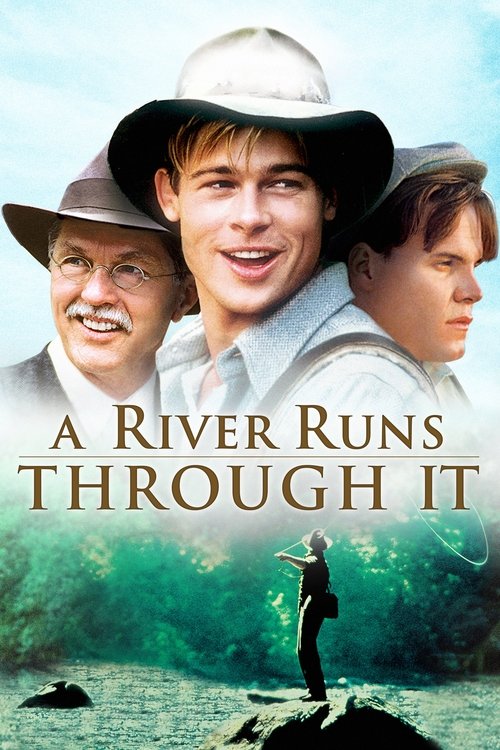
A River Runs Through It
The Maclean brothers, Paul and Norman, live a relatively idyllic life in rural Montana, spending much of their time fly fishing. The sons of a minister, the boys eventually part company when Norman moves east to attend college, leaving his rebellious brother to find trouble back home. When Norman finally returns, the siblings resume their fishing outings, and assess where they've been and where they're going.
Despite its small-scale budget of $12.0M, A River Runs Through It became a financial success, earning $43.4M worldwide—a 262% return. The film's compelling narrative resonated with audiences, demonstrating that strong storytelling can transcend budget limitations.
1 Oscar. 4 wins & 11 nominations


Plot Structure
Story beats plotted across runtime


Narrative Arc
Emotional journey through the story's key moments
Story Circle
Blueprint 15-beat structure
Arcplot Score Breakdown
Weighted: Precision (70%) + Arc (15%) + Theme (15%)
A River Runs Through It (1992) exemplifies carefully calibrated narrative architecture, characteristic of Robert Redford's storytelling approach. This structural analysis examines how the film's 15-point plot structure maps to proven narrative frameworks across 2 hours and 3 minutes. With an Arcplot score of 7.7, the film showcases strong structural fundamentals.
Characters
Cast & narrative archetypes

Norman Maclean
Paul Maclean
Reverend Maclean
Mrs. Maclean
Jessie Burns
Main Cast & Characters
Norman Maclean
Played by Craig Sheffer
The older brother and narrator, a methodical English professor who reflects on his family's past and his relationship with his rebellious younger brother.
Paul Maclean
Played by Brad Pitt
The younger brother, a charismatic and talented fly fisherman with a wild streak who works as a journalist and struggles with gambling and drinking.
Reverend Maclean
Played by Tom Skerritt
The father, a stern but loving Presbyterian minister who taught his sons fly fishing as a form of religious and moral instruction.
Mrs. Maclean
Played by Brenda Blethyn
The mother, a gentle and supportive presence in the family who worries about her wild younger son.
Jessie Burns
Played by Emily Lloyd
Norman's love interest and eventual wife, an independent-minded woman from a well-to-do family who connects Norman to Montana society.
Structural Analysis
The Status Quo at 2 minutes (2% through the runtime) establishes Old Norman narrates over the Big Blackfoot River, establishing the Maclean family's Montana world where fly fishing is religion and life is measured by rivers.. Of particular interest, this early placement immediately immerses viewers in the story world.
The inciting incident occurs at 15 minutes when Adult Norman returns home from college in the East. The brothers are now grown men living separate lives—Norman the academic, Paul the reckless newspaper reporter with drinking and gambling problems that worry the family.. At 12% through the film, this Disruption aligns precisely with traditional story structure. This beat shifts the emotional landscape, launching the protagonist into the central conflict.
The First Threshold at 31 minutes marks the transition into Act II, occurring at 25% of the runtime. This illustrates the protagonist's commitment to Norman actively chooses to pursue Jessie and commits to staying in Montana for the summer, entering the world of romance and deeper family responsibility rather than escaping back East., moving from reaction to action.
At 63 minutes, the Midpoint arrives at 51% of the runtime—precisely centered, creating perfect narrative symmetry. Significantly, this crucial beat False defeat: A disastrous double date where Paul gets drunk, fights, and shows up beaten and arrested. Norman must bail him out. The fun is over—Norman realizes Paul's problems are serious and he may not be able to help his brother., fundamentally raising what's at risk. The emotional intensity shifts, dividing the narrative into clear before-and-after phases.
The Collapse moment at 93 minutes (75% through) represents the emotional nadir. Here, The sheriff arrives at the Maclean home. Paul has been found beaten to death in an alley, his hand broken—the hand he used for his beautiful fly fishing. The literal death contains the film's whiff of death moment., shows the protagonist at their lowest point. This beat's placement in the final quarter sets up the climactic reversal.
The Second Threshold at 99 minutes initiates the final act resolution at 81% of the runtime. Norman realizes the hard truth: you can love someone completely without being able to save them. Some people cannot be helped in the way we want. Paul needed to be loved for who he was, not fixed., demonstrating the transformation achieved throughout the journey.
Emotional Journey
A River Runs Through It's emotional architecture traces a deliberate progression across 15 carefully calibrated beats.
Narrative Framework
This structural analysis employs systematic plot point analysis that identifies crucial turning points. By mapping A River Runs Through It against these established plot points, we can identify how Robert Redford utilizes or subverts traditional narrative conventions. The plot point approach reveals not only adherence to structural principles but also creative choices that distinguish A River Runs Through It within the drama genre.
Robert Redford's Structural Approach
Among the 9 Robert Redford films analyzed on Arcplot, the average structural score is 7.2, reflecting strong command of classical structure. A River Runs Through It represents one of the director's most structurally precise works. For comparative analysis, explore the complete Robert Redford filmography.
Comparative Analysis
Additional drama films include After Thomas, South Pacific and Dirty Dancing: Havana Nights. For more Robert Redford analyses, see Quiz Show, Lions for Lambs and The Company You Keep.
Plot Points by Act
Act I
SetupStatus Quo
Old Norman narrates over the Big Blackfoot River, establishing the Maclean family's Montana world where fly fishing is religion and life is measured by rivers.
Theme
Rev. Maclean states the theme in church: "Each one of us here today will at one time in our lives look upon a loved one who is in need and ask the same question: We are willing to help, Lord, but what, if anything, is needed?"
Worldbuilding
The Maclean brothers grow up in early 1900s Montana under their minister father's strict discipline. Norman is studious and obedient; Paul is rebellious and wild. Fly fishing binds them together as their father teaches them both religion and the art of fishing.
Disruption
Adult Norman returns home from college in the East. The brothers are now grown men living separate lives—Norman the academic, Paul the reckless newspaper reporter with drinking and gambling problems that worry the family.
Resistance
Norman reconnects with his family and hometown. He meets Jessie Burns at a Fourth of July dance. Paul's wild behavior becomes increasingly evident—drinking, fighting, gambling. Norman debates staying in Montana versus returning East.
Act II
ConfrontationFirst Threshold
Norman actively chooses to pursue Jessie and commits to staying in Montana for the summer, entering the world of romance and deeper family responsibility rather than escaping back East.
Mirror World
Jessie becomes Norman's mirror world character—she represents connection, Montana roots, and love. Their developing relationship embodies the theme of helping loved ones and understanding what they truly need.
Premise
The promise of the premise: beautiful Montana summer with fishing, romance, and family. Norman courts Jessie while fishing with Paul. The brothers share their greatest passion—fly fishing—in stunning river sequences showing their bond and Paul's artistry.
Midpoint
False defeat: A disastrous double date where Paul gets drunk, fights, and shows up beaten and arrested. Norman must bail him out. The fun is over—Norman realizes Paul's problems are serious and he may not be able to help his brother.
Opposition
Paul's self-destruction accelerates—gambling debts pile up, dangerous people pursue him. Norman tries to help but Paul refuses. The family worries silently. Norman accepts a teaching position in Chicago, meaning he'll leave Montana and Paul behind.
Collapse
The sheriff arrives at the Maclean home. Paul has been found beaten to death in an alley, his hand broken—the hand he used for his beautiful fly fishing. The literal death contains the film's whiff of death moment.
Crisis
The family grieves in darkness. Rev. Maclean struggles to accept his son's death. Norman wrestles with guilt—could he have saved Paul? His mother asks if Norman tried to help, echoing the theme stated in the opening.
Act III
ResolutionSecond Threshold
Norman realizes the hard truth: you can love someone completely without being able to save them. Some people cannot be helped in the way we want. Paul needed to be loved for who he was, not fixed.
Synthesis
Norman moves to Chicago, marries Jessie, becomes a professor. Years pass. He returns to Montana as an old man. Rev. Maclean preaches his final sermon about those we cannot help but can still love.
Transformation
Old Norman fly fishes alone in the Big Blackfoot River where he and Paul fished as boys. He narrates: "I am haunted by waters" and understands that Paul lives on in the river, in the art of fishing, in the love that endures beyond death.