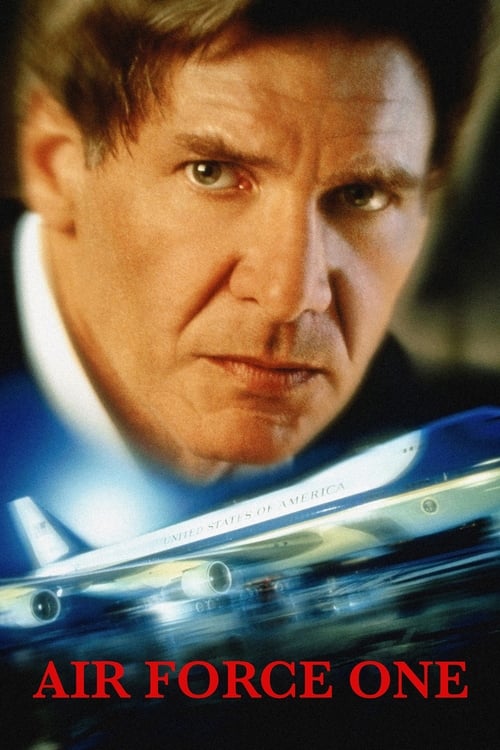
Air Force One
When Russian neo-nationalists hijack Air Force One, the world's most secure and extraordinary aircraft, the President is faced with a nearly impossible decision to give in to terrorist demands or sacrifice not only the country's dignity, but the lives of his wife and daughter.
Despite a significant budget of $85.0M, Air Force One became a box office success, earning $315.2M worldwide—a 271% return.
Nominated for 2 Oscars. 7 wins & 13 nominations


Plot Structure
Story beats plotted across runtime


Narrative Arc
Emotional journey through the story's key moments
Story Circle
Blueprint 15-beat structure
Arcplot Score Breakdown
Weighted: Precision (70%) + Arc (15%) + Theme (15%)
Air Force One (1997) showcases meticulously timed narrative architecture, characteristic of Wolfgang Petersen's storytelling approach. This structural analysis examines how the film's 15-point plot structure maps to proven narrative frameworks across 2 hours and 4 minutes. With an Arcplot score of 7.3, the film balances conventional beats with creative variation.
Characters
Cast & narrative archetypes

President James Marshall
Ivan Korshunov
Vice President Kathryn Bennett
Grace Marshall
Major Caldwell
Alice Marshall
Main Cast & Characters
President James Marshall
Played by Harrison Ford
The President of the United States who must become an action hero to save his family and hostages from terrorists aboard Air Force One.
Ivan Korshunov
Played by Gary Oldman
Ruthless Russian terrorist leader who hijacks Air Force One to force the release of General Radek.
Vice President Kathryn Bennett
Played by Glenn Close
The Vice President who must make difficult decisions from the ground while the President fights aboard the plane.
Grace Marshall
Played by Wendy Crewson
The First Lady and President Marshall's wife, held hostage by terrorists.
Major Caldwell
Played by Xander Berkeley
Secret Service agent and mole who betrays the President to assist the terrorists.
Alice Marshall
Played by Liesel Matthews
The President's young daughter, held hostage aboard Air Force One.
Structural Analysis
The Status Quo at 1 minutes (1% through the runtime) establishes President Marshall gives powerful speech in Moscow declaring "no negotiations with terrorists" policy. Establishes him as principled leader who draws moral lines.. Of particular interest, this early placement immediately immerses viewers in the story world.
The inciting incident occurs at 16 minutes when Terrorists led by Korshunov reveal themselves and seize Air Force One. The secure world is shattered, status quo obliterated by violence.. At 13% through the film, this Disruption is delayed, allowing extended setup of the story world. This beat shifts the emotional landscape, launching the protagonist into the central conflict.
The First Threshold at 32 minutes marks the transition into Act II, occurring at 25% of the runtime. This indicates the protagonist's commitment to Marshall makes active choice NOT to use escape pod. Instead of fleeing, he deliberately stays aboard to fight, saying "I'm not leaving this plane." Commits to action over safety., moving from reaction to action.
At 61 minutes, the Midpoint arrives at 49% of the runtime—precisely centered, creating perfect narrative symmetry. The analysis reveals that this crucial beat False defeat: Korshunov captures Marshall and executes Deputy Press Secretary in front of him. Stakes raised dramatically. Marshall forced to negotiate release of imprisoned General Radek to save hostages. His "no negotiation" principle directly challenged., fundamentally raising what's at risk. The emotional intensity shifts, dividing the narrative into clear before-and-after phases.
The Collapse moment at 91 minutes (74% through) represents the emotional nadir. Here, Major Caldwell shot and killed by traitor Gibbs. The loyal ally who embodied sacrifice dies. Marshall's whiff of death - his friend and the mission seem lost. Lowest point., demonstrates the protagonist at their lowest point. This beat's placement in the final quarter sets up the climactic reversal.
The Second Threshold at 100 minutes initiates the final act resolution at 80% of the runtime. Synthesis moment: Marshall kills Korshunov with brutal determination. Combining his military skills (Act 1 setup) with his willingness to sacrifice for principle (Mirror World lesson). "Get off my plane!" Declaration of integrated identity., demonstrating the transformation achieved throughout the journey.
Emotional Journey
Air Force One's emotional architecture traces a deliberate progression across 15 carefully calibrated beats.
Narrative Framework
This structural analysis employs a 15-point narrative structure framework that maps key story moments. By mapping Air Force One against these established plot points, we can identify how Wolfgang Petersen utilizes or subverts traditional narrative conventions. The plot point approach reveals not only adherence to structural principles but also creative choices that distinguish Air Force One within the action genre.
Wolfgang Petersen's Structural Approach
Among the 10 Wolfgang Petersen films analyzed on Arcplot, the average structural score is 6.8, demonstrating varied approaches to story architecture. Air Force One represents one of the director's most structurally precise works. For comparative analysis, explore the complete Wolfgang Petersen filmography.
Comparative Analysis
Additional action films include The Bad Guys, Puss in Boots and Venom: The Last Dance. For more Wolfgang Petersen analyses, see Troy, Outbreak and In the Line of Fire.
Plot Points by Act
Act I
SetupStatus Quo
President Marshall gives powerful speech in Moscow declaring "no negotiations with terrorists" policy. Establishes him as principled leader who draws moral lines.
Theme
Marshall's advisor cautions about the political cost of his hard stance. Theme stated: the price of principles vs. pragmatism, what we're willing to sacrifice for what we believe.
Worldbuilding
Setup of Marshall's world: family man with wife Grace and daughter Alice, decorated war hero, principled president. Boarding Air Force One after Moscow summit, journalists and staff establishing relationships and dynamics.
Disruption
Terrorists led by Korshunov reveal themselves and seize Air Force One. The secure world is shattered, status quo obliterated by violence.
Resistance
Marshall initially hides while Secret Service tries to evacuate him via escape pod. Debate: should he flee to safety as everyone advises? Terrorists kill staff members. VP and Cabinet debate negotiating. Marshall resists leaving his family and crew.
Act II
ConfrontationFirst Threshold
Marshall makes active choice NOT to use escape pod. Instead of fleeing, he deliberately stays aboard to fight, saying "I'm not leaving this plane." Commits to action over safety.
Mirror World
Marshall connects with loyal aide Major Caldwell in cargo hold. This partnership represents the theme: ordinary people making extraordinary sacrifices for principle. Caldwell becomes his ally in the fight.
Premise
The promise of the premise: President as action hero. Marshall uses combat skills to pick off terrorists, sabotage plane systems, and orchestrate prisoner releases. Cat-and-mouse throughout the aircraft. Delivers on "Harrison Ford fighting terrorists on a plane."
Midpoint
False defeat: Korshunov captures Marshall and executes Deputy Press Secretary in front of him. Stakes raised dramatically. Marshall forced to negotiate release of imprisoned General Radek to save hostages. His "no negotiation" principle directly challenged.
Opposition
Pressure intensifies from all sides. Radek released from prison. Traitor among Secret Service revealed. Fuel running critically low. Marshall's family used as leverage. VP faces 25th Amendment pressure. Everything gets harder.
Collapse
Major Caldwell shot and killed by traitor Gibbs. The loyal ally who embodied sacrifice dies. Marshall's whiff of death - his friend and the mission seem lost. Lowest point.
Crisis
Dark night: Marshall processes the loss, faces his family's terror, and the seeming impossibility of victory. Plane losing altitude. Radek freed. Everything Marshall fought for appears in vain.
Act III
ResolutionSecond Threshold
Synthesis moment: Marshall kills Korshunov with brutal determination. Combining his military skills (Act 1 setup) with his willingness to sacrifice for principle (Mirror World lesson). "Get off my plane!" Declaration of integrated identity.
Synthesis
Finale: Marshall and survivors work to land the dying plane. Radek killed by loyalists. Air-to-air rescue as Air Force One breaks apart. Final terrorist confrontation. Marshall saves his family and remaining hostages through zip-line rescue to C-130.
Transformation
Marshall safely aboard rescue plane with family. Radio call sign transferred: "Liberty 2-4 is changing call signs. Liberty 2-4 is now Air Force One." President has proven his principles with action, transformed from speechmaker to warrior-leader who lived his words.