
Aliens
57 years after Ellen Ripley had a close encounter with the reptilian alien creature from the first movie, she is called back, this time, to help a group of highly trained colonial marines fight off against the sinister extraterrestrials. But this time, the aliens have taken over a space colony on the moon LV-426. When the colonial marines are called upon to search the deserted space colony, they later find out that they are up against more than what they bargained for. Using specially modified machine guns and enough firepower, it's either fight or die as the space marines battle against the aliens. As the Marines do their best to defend themselves, Ripley must attempt to protect a young girl who is the sole survivor of the nearly wiped out space colony.
Despite a respectable budget of $18.5M, Aliens became a box office phenomenon, earning $183.3M worldwide—a remarkable 891% return.
2 Oscars. 20 wins & 25 nominations


Plot Structure
Story beats plotted across runtime


Narrative Arc
Emotional journey through the story's key moments
Story Circle
Blueprint 15-beat structure
Arcplot Score Breakdown
Weighted: Precision (70%) + Arc (15%) + Theme (15%)
Aliens (1986) exhibits meticulously timed narrative design, characteristic of James Cameron's storytelling approach. This structural analysis examines how the film's 15-point plot structure maps to proven narrative frameworks across 2 hours and 17 minutes. With an Arcplot score of 3.3, the film takes an unconventional approach to traditional narrative frameworks.
Characters
Cast & narrative archetypes

Ellen Ripley

Newt

Corporal Dwayne Hicks

Carter Burke

Bishop

Private William Hudson
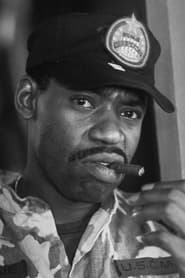
Sergeant Al Apone

Private Vasquez

Lieutenant Gorman
Main Cast & Characters
Ellen Ripley
Played by Sigourney Weaver
Sole survivor of the Nostromo who returns to LV-426 with Colonial Marines to confront the xenomorph threat.
Newt
Played by Carrie Henn
Young girl and sole survivor of the Hadley's Hope colony who forms a maternal bond with Ripley.
Corporal Dwayne Hicks
Played by Michael Biehn
Competent and level-headed Colonial Marine who becomes Ripley's ally and romantic interest.
Carter Burke
Played by Paul Reiser
Weyland-Yutani corporate representative whose true priorities endanger the mission.
Bishop
Played by Lance Henriksen
Android crew member who proves his loyalty despite Ripley's initial distrust.
Private William Hudson
Played by Bill Paxton
Loud-mouthed Marine who panics under pressure but finds courage when it matters.
Sergeant Al Apone
Played by Al Matthews
Experienced Marine sergeant who leads his squad with confidence and discipline.
Private Vasquez
Played by Jenette Goldstein
Tough and skilled smartgun operator who never backs down from a fight.
Lieutenant Gorman
Played by William Hope
Inexperienced officer whose poor leadership decisions cost Marine lives.
Structural Analysis
The Status Quo at 1 minutes (1% through the runtime) establishes Ripley's escape pod drifts silently through space, discovered after 57 years. She is found in hypersleep — a survivor frozen in time, her trauma preserved alongside her body.. Significantly, this early placement immediately immerses viewers in the story world.
The inciting incident occurs at 15 minutes when Burke and Lieutenant Gorman arrive at Ripley's apartment with news: contact has been lost with the terraforming colony on LV-426. They need her expertise. The nightmare she tried to bury is demanding she face it again.. At 11% through the film, this Disruption aligns precisely with traditional story structure. This beat shifts the emotional landscape, launching the protagonist into the central conflict.
The First Threshold at 31 minutes marks the transition into Act II, occurring at 22% of the runtime. This illustrates the protagonist's commitment to The dropship descends through the storm to LV-426. Ripley makes the irrevocable choice to return to the world of her nightmares. As they enter the abandoned colony, she crosses from reluctant consultant to active participant in the horror to come., moving from reaction to action.
At 62 minutes, the Midpoint arrives at 45% of the runtime—arriving early, accelerating into Act IIb complications. Structural examination shows that this crucial beat Hudson's despairing calculation: "Four hours. That's how long until the atmosphere processor goes critical and explodes." False defeat crystallizes — they're trapped in a facility with hundreds of xenomorphs, no way off-planet, and a nuclear deadline. The game has fundamentally changed from rescue mission to survival., fundamentally raising what's at risk. The emotional intensity shifts, dividing the narrative into clear before-and-after phases.
The Collapse moment at 92 minutes (67% through) represents the emotional nadir. Here, Newt is dragged into the hive. Ripley watches helplessly as the child she swore to protect vanishes into the darkness. Hicks is critically wounded by acid blood. Bishop is their only hope for calling down the remaining dropship. Everything Ripley fought to save is slipping away., illustrates the protagonist at their lowest point. This beat's placement in the final quarter sets up the climactic reversal.
The Second Threshold at 98 minutes initiates the final act resolution at 72% of the runtime. Ripley descends into the atmospheric processor — the heart of the hive — alone. She chooses to face not just the xenomorphs but her deepest trauma. "Close your eyes, baby." She has synthesized her pain into purpose: she will be the mother who comes back., demonstrating the transformation achieved throughout the journey.
Emotional Journey
Aliens's emotional architecture traces a deliberate progression across 15 carefully calibrated beats.
Narrative Framework
This structural analysis employs structural analysis methodology used to understand storytelling architecture. By mapping Aliens against these established plot points, we can identify how James Cameron utilizes or subverts traditional narrative conventions. The plot point approach reveals not only adherence to structural principles but also creative choices that distinguish Aliens within the action genre.
James Cameron's Structural Approach
Among the 8 James Cameron films analyzed on Arcplot, the average structural score is 5.9, showcasing experimental approaches to narrative form. Aliens takes a more unconventional approach compared to the director's typical style. For comparative analysis, explore the complete James Cameron filmography.
Comparative Analysis
Additional action films include The Bad Guys, Puss in Boots and Venom: The Last Dance. For more James Cameron analyses, see True Lies, Titanic and Avatar.
Plot Points by Act
Act I
SetupStatus Quo
Ripley's escape pod drifts silently through space, discovered after 57 years. She is found in hypersleep — a survivor frozen in time, her trauma preserved alongside her body.
Theme
Burke tells Ripley that her daughter Amanda died at age 66, two years prior. "I promised her I'd be home for her birthday." The theme of motherhood and loss is established — what does it mean to protect those we love when time and circumstance tear us apart?
Worldbuilding
Ripley awakens to a world that moved on without her. She learns of her daughter's death, faces a skeptical inquiry board that revokes her flight license, and suffers PTSD nightmares. She works a menial loader job, isolated and disbelieved. The colony on LV-426 goes silent.
Disruption
Burke and Lieutenant Gorman arrive at Ripley's apartment with news: contact has been lost with the terraforming colony on LV-426. They need her expertise. The nightmare she tried to bury is demanding she face it again.
Resistance
Ripley initially refuses, but her nightmares won't relent. She agrees only after Burke promises the mission is to destroy the creatures, not study them. She meets the Colonial Marines — cocky, overconfident soldiers who dismiss her warnings. The Sulaco journeys to LV-426.
Act II
ConfrontationFirst Threshold
The dropship descends through the storm to LV-426. Ripley makes the irrevocable choice to return to the world of her nightmares. As they enter the abandoned colony, she crosses from reluctant consultant to active participant in the horror to come.
Mirror World
Ripley discovers Newt — the sole survivor, a feral child hiding in the ventilation shafts. "Newt. My name's Newt. Nobody calls me Rebecca except my mother." In finding this orphaned girl, Ripley finds a surrogate daughter and a reason to fight beyond survival.
Premise
The Marines explore the deserted colony, finding cocooned colonists in the atmosphere processor. The first xenomorph encounter is catastrophic — most Marines are slaughtered or captured in the hive. Ripley takes control when Gorman freezes, rescuing survivors with the APC. The dropship crashes. They're stranded.
Midpoint
Hudson's despairing calculation: "Four hours. That's how long until the atmosphere processor goes critical and explodes." False defeat crystallizes — they're trapped in a facility with hundreds of xenomorphs, no way off-planet, and a nuclear deadline. The game has fundamentally changed from rescue mission to survival.
Opposition
The survivors barricade in the operations center. Ripley discovers Burke's betrayal — he planned to smuggle xenomorph embryos back in human hosts. Before she can act, xenomorphs cut the power and breach the defenses. The second dropship is summoned but they're overrun. Marines fall one by one. Newt is captured.
Collapse
Newt is dragged into the hive. Ripley watches helplessly as the child she swore to protect vanishes into the darkness. Hicks is critically wounded by acid blood. Bishop is their only hope for calling down the remaining dropship. Everything Ripley fought to save is slipping away.
Crisis
Ripley prepares to descend alone into the hive as the facility shakes from pre-detonation tremors. She arms herself with pulse rifle, flamethrower, and grenades — transforming from survivor into warrior. This is no longer about escape; it's about keeping her promise to Newt.
Act III
ResolutionSecond Threshold
Ripley descends into the atmospheric processor — the heart of the hive — alone. She chooses to face not just the xenomorphs but her deepest trauma. "Close your eyes, baby." She has synthesized her pain into purpose: she will be the mother who comes back.
Synthesis
Ripley navigates the nightmare hive, finds Newt cocooned but not yet implanted, and burns the Queen's eggs. Mother confronts mother. They escape on Bishop's dropship as the processor detonates — but the Queen has stowed away. In the cargo bay, Ripley dons the power loader for the iconic battle: "Get away from her, you bitch!"
Transformation
Ripley tucks Newt into hypersleep beside her. "Can I dream?" "Yes, honey. I think we both can." The woman who woke from 57 years of frozen nightmare has become a mother again. The trauma hasn't vanished, but it no longer defines her — love does.