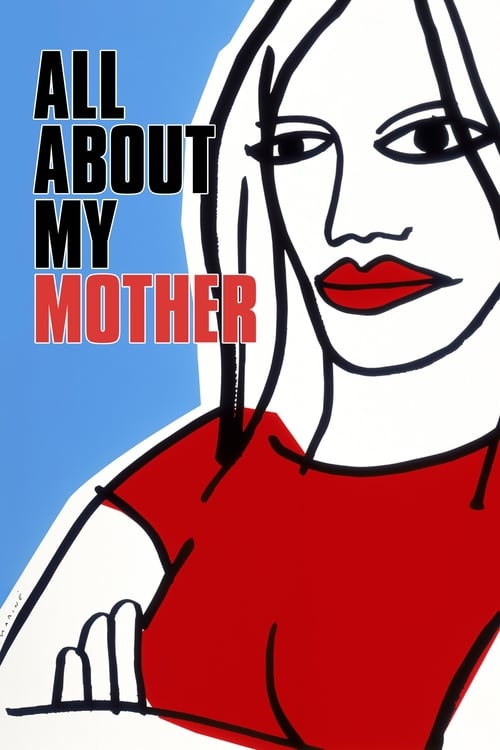
All About My Mother
Following the tragic death of her teenage son, Manuela travels from Madrid to Barcelona in an attempt to contact the long-estranged father the boy never knew. She reunites with an old friend, an outspoken transgender sex worker, and befriends a troubled actress and a pregnant, HIV-positive nun.
Despite its modest budget of $8.3M, All About My Mother became a massive hit, earning $68.0M worldwide—a remarkable 721% return. The film's compelling narrative found its audience, proving that strong storytelling can transcend budget limitations.
1 Oscar. 59 wins & 40 nominations


Plot Structure
Story beats plotted across runtime


Narrative Arc
Emotional journey through the story's key moments
Story Circle
Blueprint 15-beat structure
Arcplot Score Breakdown
Weighted: Precision (70%) + Arc (15%) + Theme (15%)
All About My Mother (1999) showcases strategically placed story structure, characteristic of Pedro Almodóvar's storytelling approach. This structural analysis examines how the film's 15-point plot structure maps to proven narrative frameworks across 1 hour and 41 minutes. With an Arcplot score of 7.6, the film showcases strong structural fundamentals.
Characters
Cast & narrative archetypes

Manuela
Agrado
Sister Rosa
Huma Rojo
Nina
Lola
Esteban
Main Cast & Characters
Manuela
Played by Cecilia Roth
A nurse whose life is shattered when her son dies; she returns to Barcelona seeking connection and redemption among the women of her past.
Agrado
Played by Antonia San Juan
A transgender sex worker with a bold, theatrical personality who becomes Manuela's loyal friend and represents authenticity and survival.
Sister Rosa
Played by Penélope Cruz
A pregnant nun struggling with her faith and secrets; her vulnerability and moral conflict drive the emotional core of the story.
Huma Rojo
Played by Marisa Paredes
A celebrated actress performing in A Streetcar Named Desire who becomes entangled in Manuela's journey and represents artistic passion.
Nina
Played by Candela Peña
Huma's troubled, drug-addicted lover and co-star whose destructive behavior creates chaos and forces Manuela into the world of theater.
Lola
Played by Toni Cantó
Manuela's transgender ex-lover and the father of her deceased son; a destructive, HIV-positive figure representing past trauma.
Esteban
Played by Eloy Azorín
Manuela's 17-year-old son and aspiring writer who dies in a tragic accident on his birthday, catalyzing his mother's journey.
Structural Analysis
The Status Quo at 1 minutes (1% through the runtime) establishes Manuela and her teenage son Esteban share an intimate life in Madrid. She works as a transplant coordinator while he dreams of becoming a writer, their close relationship shown through their ritual of watching "All About Eve" together on his birthday.. Structural examination shows that this early placement immediately immerses viewers in the story world.
The inciting incident occurs at 12 minutes when Esteban is struck by a car and killed while chasing after actress Huma Rojo for an autograph in the rain. Manuela, as a transplant coordinator, must now consent to her own son's organ donation, experiencing the process from the other side.. At 12% through the film, this Disruption aligns precisely with traditional story structure. This beat shifts the emotional landscape, launching the protagonist into the central conflict.
The First Threshold at 25 minutes marks the transition into Act II, occurring at 25% of the runtime. This shows the protagonist's commitment to Manuela actively chooses to leave Madrid and return to Barcelona to find Esteban's father, a transgender woman named Lola. This is her deliberate decision to enter her past world and confront what she fled 18 years ago., moving from reaction to action.
At 52 minutes, the Midpoint arrives at 52% of the runtime—precisely centered, creating perfect narrative symmetry. The analysis reveals that this crucial beat Manuela discovers that Sister Rosa is pregnant by Lola (Esteban's father) and infected with HIV. The stakes radically increase as Manuela must now care for Rosa, connecting past and present tragedy. The search for Lola becomes more urgent and dangerous., fundamentally raising what's at risk. The emotional intensity shifts, dividing the narrative into clear before-and-after phases.
The Collapse moment at 74 minutes (73% through) represents the emotional nadir. Here, Sister Rosa dies in childbirth, leaving behind a baby boy also named Esteban. Manuela experiences the loss of a second child figure and confronts death again. The "whiff of death" is literal - another person she loved and tried to protect is gone., reveals the protagonist at their lowest point. This beat's placement in the final quarter sets up the climactic reversal.
The Second Threshold at 80 minutes initiates the final act resolution at 79% of the runtime. Manuela finally confronts Lola, introducing her to the grandson she will never know (as Lola is dying of AIDS). This meeting synthesizes past and present - Manuela combines her maternal strength with the acceptance she learned from Agrado and the community. She forgives and lets go., demonstrating the transformation achieved throughout the journey.
Emotional Journey
All About My Mother's emotional architecture traces a deliberate progression across 15 carefully calibrated beats.
Narrative Framework
This structural analysis employs structural analysis methodology used to understand storytelling architecture. By mapping All About My Mother against these established plot points, we can identify how Pedro Almodóvar utilizes or subverts traditional narrative conventions. The plot point approach reveals not only adherence to structural principles but also creative choices that distinguish All About My Mother within the comedy genre.
Pedro Almodóvar's Structural Approach
Among the 13 Pedro Almodóvar films analyzed on Arcplot, the average structural score is 7.1, reflecting strong command of classical structure. All About My Mother represents one of the director's most structurally precise works. For comparative analysis, explore the complete Pedro Almodóvar filmography.
Comparative Analysis
Additional comedy films include The Bad Guys, Ella Enchanted and The Evening Star. For more Pedro Almodóvar analyses, see Live Flesh, Women on the Verge of a Nervous Breakdown and Julieta.
Plot Points by Act
Act I
SetupStatus Quo
Manuela and her teenage son Esteban share an intimate life in Madrid. She works as a transplant coordinator while he dreams of becoming a writer, their close relationship shown through their ritual of watching "All About Eve" together on his birthday.
Theme
Esteban reads from Truman Capote's "Music for Chameleons" about mothers, foreshadowing the film's exploration of maternal identity, loss, and transformation. The theme of authenticity in performance (from "All About Eve") establishes the central question of identity and motherhood.
Worldbuilding
Manuela's professional life as a transplant coordinator is established, showing her competence in managing organ donations. Esteban's curiosity about his absent father grows. They attend a production of "A Streetcar Named Desire" starring Huma Rojo for Esteban's birthday, setting up the theatrical motif.
Disruption
Esteban is struck by a car and killed while chasing after actress Huma Rojo for an autograph in the rain. Manuela, as a transplant coordinator, must now consent to her own son's organ donation, experiencing the process from the other side.
Resistance
Manuela processes her grief and makes the decision to fulfill Esteban's wish to know about his father. She debates whether to return to Barcelona after 18 years. Her role-playing demonstration of family notification becomes painfully real as she embodies the grief she now experiences.
Act II
ConfrontationFirst Threshold
Manuela actively chooses to leave Madrid and return to Barcelona to find Esteban's father, a transgender woman named Lola. This is her deliberate decision to enter her past world and confront what she fled 18 years ago.
Mirror World
Manuela reunites with her old friend Agrado, a transgender sex worker who embodies authenticity and survival. Agrado represents the thematic counterpoint - someone who has fully embraced her identity despite society's rejection, teaching Manuela about honest self-expression.
Premise
Manuela navigates Barcelona's underworld of transgender sex workers and theater people. She reconnects with Huma Rojo and becomes her assistant, meeting pregnant nun Sister Rosa. She builds a community of wounded women supporting each other, exploring themes of motherhood, performance, and authenticity.
Midpoint
Manuela discovers that Sister Rosa is pregnant by Lola (Esteban's father) and infected with HIV. The stakes radically increase as Manuela must now care for Rosa, connecting past and present tragedy. The search for Lola becomes more urgent and dangerous.
Opposition
Rosa's conservative mother rejects her pregnant daughter. Manuela takes Rosa in and cares for her. Rosa's health deteriorates due to her pregnancy and HIV. The opposition intensifies as Manuela must navigate Rosa's mother, the search for Lola, and protecting everyone from further harm.
Collapse
Sister Rosa dies in childbirth, leaving behind a baby boy also named Esteban. Manuela experiences the loss of a second child figure and confronts death again. The "whiff of death" is literal - another person she loved and tried to protect is gone.
Crisis
Manuela grieves Rosa's death while caring for the HIV-positive baby. She confronts Rosa's mother with the truth about her daughter's life and death. In her darkest moment, she must decide what kind of mother she will be to this new Esteban.
Act III
ResolutionSecond Threshold
Manuela finally confronts Lola, introducing her to the grandson she will never know (as Lola is dying of AIDS). This meeting synthesizes past and present - Manuela combines her maternal strength with the acceptance she learned from Agrado and the community. She forgives and lets go.
Synthesis
Manuela becomes the baby Esteban's mother, caring for him through his early years. Against medical odds, the baby's HIV test comes back negative. She reconciles Rosa's mother with her grandson. Manuela fulfills her role as mother, sister, and friend to her community of women.
Transformation
Manuela returns to Madrid with the healthy young Esteban, visiting her theater friends. The final image mirrors the opening - a mother and son together - but transformed. She has processed her grief, confronted her past, and embraced motherhood again with hard-won wisdom and an expanded chosen family.