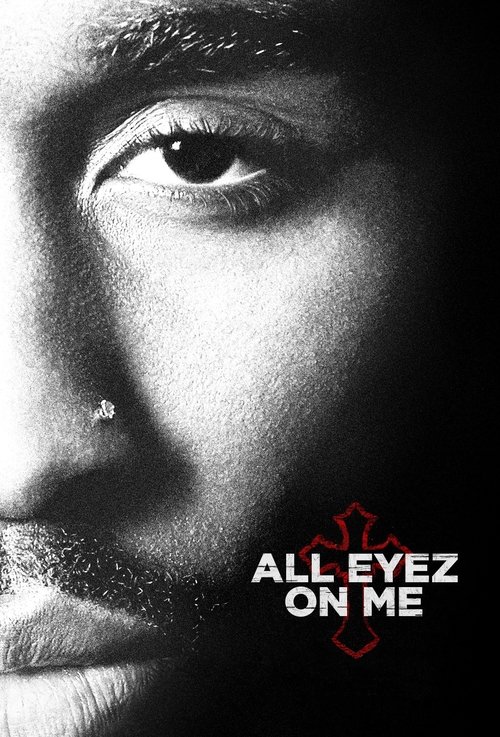
All Eyez on Me
All Eyez on Me chronicles the life and legacy of Tupac Shakur, including his rise to superstardom as a hip-hop artist, actor, poet and activist, as well as his imprisonment and prolific, controversial time at Death Row Records. Against insurmountable odds, Tupac rose to become a cultural icon whose career and persona both continue to grow long after his passing.
Working with a moderate budget of $40.0M, the film achieved a respectable showing with $55.7M in global revenue (+39% profit margin).


Plot Structure
Story beats plotted across runtime


Narrative Arc
Emotional journey through the story's key moments
Story Circle
Blueprint 15-beat structure
Arcplot Score Breakdown
Weighted: Precision (70%) + Arc (15%) + Theme (15%)
All Eyez on Me (2017) exemplifies strategically placed narrative architecture, characteristic of Benny Boom's storytelling approach. This structural analysis examines how the film's 15-point plot structure maps to proven narrative frameworks across 2 hours and 19 minutes. With an Arcplot score of 7.0, the film balances conventional beats with creative variation.
Characters
Cast & narrative archetypes

Tupac Shakur
Afeni Shakur
Kidada Jones
Suge Knight
Jada Pinkett
Biggie Smalls
Mutulu Shakur
Main Cast & Characters
Tupac Shakur
Played by Demetrius Shipp Jr.
Iconic rapper and activist who rises from poverty to become one of hip-hop's most influential voices, struggling with fame, violence, and systemic oppression.
Afeni Shakur
Played by Danai Gurira
Tupac's mother, former Black Panther activist who instills political consciousness and strength in her son despite struggles with addiction.
Kidada Jones
Played by Annie Ilonzeh
Tupac's girlfriend and fiancée, daughter of Quincy Jones, who provides emotional support during his final years.
Suge Knight
Played by Dominic L. Santana
Powerful and intimidating Death Row Records CEO who signs Tupac but draws him deeper into violence and controversy.
Jada Pinkett
Played by Kat Graham
Tupac's close friend from Baltimore School for the Arts, maintaining a deep platonic connection throughout his life.
Biggie Smalls
Played by Jamal Woolard
Fellow rapper and former friend whose relationship with Tupac deteriorates into the infamous East Coast-West Coast rivalry.
Mutulu Shakur
Played by Jamie Hector
Tupac's stepfather and Black Panther member who influences his early political education before being imprisoned.
Structural Analysis
The Status Quo at 2 minutes (1% through the runtime) establishes Young Tupac witnesses his mother Afeni's Black Panther activism and police raid on their home, establishing his formative environment of revolutionary spirit and systemic oppression.. The analysis reveals that this early placement immediately immerses viewers in the story world.
The inciting incident occurs at 15 minutes when Tupac's family moves to Baltimore due to his mother's drug addiction and their dire circumstances. The disruption of losing their home and stability forces Tupac to confront harsh realities.. At 11% through the film, this Disruption aligns precisely with traditional story structure. This beat shifts the emotional landscape, launching the protagonist into the central conflict.
The First Threshold at 34 minutes marks the transition into Act II, occurring at 25% of the runtime. This reveals the protagonist's commitment to Tupac actively chooses to join Digital Underground and move to California to pursue a rap career, leaving Baltimore behind. This decision launches him into the music industry world., moving from reaction to action.
At 69 minutes, the Midpoint arrives at 50% of the runtime—precisely centered, creating perfect narrative symmetry. The analysis reveals that this crucial beat Tupac is shot five times at Quad Recording Studios in New York. This false defeat raises stakes dramatically and transforms his worldview, breeding paranoia and mistrust. The fun and games are over., fundamentally raising what's at risk. The emotional intensity shifts, dividing the narrative into clear before-and-after phases.
The Collapse moment at 103 minutes (74% through) represents the emotional nadir. Here, Tupac realizes he's trapped by the violent persona he's created and the industry forces controlling him. Loss of innocence and hope as he recognizes the cage he's built. A spiritual/metaphorical death of his idealistic self., indicates the protagonist at their lowest point. This beat's placement in the final quarter sets up the climactic reversal.
The Second Threshold at 111 minutes initiates the final act resolution at 80% of the runtime. Tupac decides to leave Death Row Records and reclaim his artistic independence. Synthesis of his revolutionary roots with his experience, planning to start his own path and return to authentic expression., demonstrating the transformation achieved throughout the journey.
Emotional Journey
All Eyez on Me's emotional architecture traces a deliberate progression across 15 carefully calibrated beats.
Narrative Framework
This structural analysis employs structural analysis methodology used to understand storytelling architecture. By mapping All Eyez on Me against these established plot points, we can identify how Benny Boom utilizes or subverts traditional narrative conventions. The plot point approach reveals not only adherence to structural principles but also creative choices that distinguish All Eyez on Me within the history genre.
Benny Boom's Structural Approach
Among the 2 Benny Boom films analyzed on Arcplot, the average structural score is 7.0, reflecting strong command of classical structure. All Eyez on Me takes a more unconventional approach compared to the director's typical style. For comparative analysis, explore the complete Benny Boom filmography.
Comparative Analysis
Additional history films include The Attacks Of 26/11, Joyeux Noel and Rob Roy. For more Benny Boom analyses, see Next Day Air.
Plot Points by Act
Act I
SetupStatus Quo
Young Tupac witnesses his mother Afeni's Black Panther activism and police raid on their home, establishing his formative environment of revolutionary spirit and systemic oppression.
Theme
Afeni tells young Tupac: "You have to stand for something or you'll fall for anything." This encapsulates the film's exploration of authenticity, activism, and the burden of legacy.
Worldbuilding
Framed narrative begins in Clinton Correctional Facility (1995) with interview. Flashbacks establish Tupac's childhood in Harlem, his mother's activism, poverty, and early exposure to art and revolution.
Disruption
Tupac's family moves to Baltimore due to his mother's drug addiction and their dire circumstances. The disruption of losing their home and stability forces Tupac to confront harsh realities.
Resistance
Tupac attends Baltimore School for the Arts, meets Jada Pinkett, discovers his artistic voice through theater and poetry. His mentor figures guide him toward channeling pain into art. He debates whether to pursue art or survival.
Act II
ConfrontationFirst Threshold
Tupac actively chooses to join Digital Underground and move to California to pursue a rap career, leaving Baltimore behind. This decision launches him into the music industry world.
Mirror World
Tupac meets Kidada Jones and forms deep connections within Death Row Records family. These relationships represent the personal life and loyalty that will counterpoint his public revolutionary persona.
Premise
The promise of the premise: Tupac's meteoric rise as a rapper and actor. Success with "2Pacalypse Now," film roles, fame, activism, and the exploration of being a voice for the voiceless while enjoying celebrity.
Midpoint
Tupac is shot five times at Quad Recording Studios in New York. This false defeat raises stakes dramatically and transforms his worldview, breeding paranoia and mistrust. The fun and games are over.
Opposition
Mounting pressures: sexual assault conviction and imprisonment, East Coast-West Coast rivalry intensifies, betrayal by former friends, Suge Knight's influence, escalating violence. Tupac's demons and external forces close in.
Collapse
Tupac realizes he's trapped by the violent persona he's created and the industry forces controlling him. Loss of innocence and hope as he recognizes the cage he's built. A spiritual/metaphorical death of his idealistic self.
Crisis
Tupac grapples with his legacy, relationships, and mortality. Reflective conversations about what he's become versus what he wanted to be. Dark contemplation of whether his voice has been compromised.
Act III
ResolutionSecond Threshold
Tupac decides to leave Death Row Records and reclaim his artistic independence. Synthesis of his revolutionary roots with his experience, planning to start his own path and return to authentic expression.
Synthesis
Final days leading to the Mike Tyson fight in Las Vegas, September 1996. Tupac attempts to execute his plan for freedom and legacy while forces align against him. The fateful night unfolds.
Transformation
Tupac is shot in the drive-by shooting on Las Vegas Boulevard. The final image shows his legacy immortalized through his music and message, transforming from mortal to legend. His voice endures beyond his life.