Angels in the Outfield
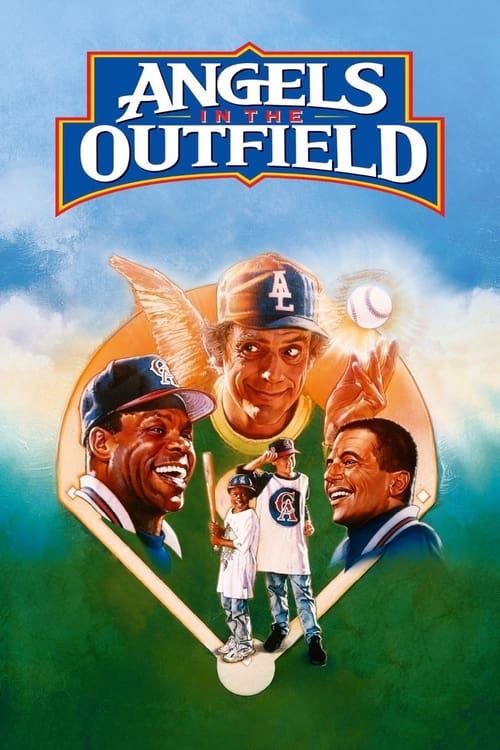
Roger is a foster child whose irresponsible father promises to get his act together when Roger's favourite baseball team, the California Angels, wins the pennant. The problem is that the Angels are in last place, so Roger prays for help to turn the team around. Sure enough, his prayers are answered in the form of angel Al.
Working with a moderate budget of $31.0M, the film achieved a steady performer with $50.2M in global revenue (+62% profit margin).
1 win & 4 nominations


Plot Structure
Story beats plotted across runtime


Narrative Arc
Emotional journey through the story's key moments
Story Circle
Blueprint 15-beat structure
Arcplot Score Breakdown
Weighted: Precision (70%) + Arc (15%) + Theme (15%)
Angels in the Outfield (1994) showcases precise dramatic framework, characteristic of William Dear's storytelling approach. This structural analysis examines how the film's 15-point plot structure maps to proven narrative frameworks across 1 hour and 43 minutes. With an Arcplot score of 6.5, the film balances conventional beats with creative variation.
Characters
Cast & narrative archetypes

Roger Bomman
George Knox
Al
Maggie Nelson
J.P.
Ranch Wilder
Hank Murphy
Main Cast & Characters
Roger Bomman
Played by Joseph Gordon-Levitt
A foster child who prays for angels to help the California Angels baseball team win so his estranged father will reunite with him.
George Knox
Played by Danny Glover
The gruff, cynical manager of the California Angels who learns to believe in miracles and becomes a father figure to Roger.
Al
Played by Christopher Lloyd
The head angel who appears to help the team, complete with wings and celestial powers.
Maggie Nelson
Played by Brenda Fricker
A compassionate sports reporter who investigates Roger's claims and develops a relationship with George Knox.
J.P.
Played by Milton Davis Jr.
Roger's best friend and fellow foster child who supports him and shares in the miraculous events.
Ranch Wilder
Played by Jay O. Sanders
A washed-up, arrogant pitcher for the Angels who regains his ability with angelic help.
Hank Murphy
Played by Tony Danza
The team's radio announcer and skeptic who struggles to explain the team's miraculous turnaround.
Structural Analysis
The Status Quo at 1 minutes (1% through the runtime) establishes Roger, a foster child, watches his father walk away after being told they'll be a family again "when the Angels win the pennant" - an impossible dream since the California Angels are the worst team in baseball.. Of particular interest, this early placement immediately immerses viewers in the story world.
The inciting incident occurs at 13 minutes when Roger prays desperately for angels to help the California Angels win so his father will come back. He doesn't expect an answer, but his sincere prayer sets divine intervention in motion.. At 12% through the film, this Disruption aligns precisely with traditional story structure. This beat shifts the emotional landscape, launching the protagonist into the central conflict.
The First Threshold at 27 minutes marks the transition into Act II, occurring at 26% of the runtime. This demonstrates the protagonist's commitment to Roger actively chooses to reveal his secret to Manager Knox, telling him that angels are helping the team. Knox must decide whether to believe this child or dismiss him as delusional., moving from reaction to action.
At 52 minutes, the Midpoint arrives at 51% of the runtime—precisely centered, creating perfect narrative symmetry. Significantly, this crucial beat The Angels clinch a playoff spot - a false victory. Roger's dream of family reunion seems within reach, but Al the head angel appears to Roger privately and reveals that the divine help won't last forever, raising the stakes., fundamentally raising what's at risk. The emotional intensity shifts, dividing the narrative into clear before-and-after phases.
The Collapse moment at 76 minutes (74% through) represents the emotional nadir. Here, Al the angel reveals he's dying - his work on Earth is complete. The angels will leave permanently. Roger must face that winning the pennant won't bring his father back, and the miracle that gave him hope is ending., indicates the protagonist at their lowest point. This beat's placement in the final quarter sets up the climactic reversal.
The Second Threshold at 82 minutes initiates the final act resolution at 79% of the runtime. Roger realizes the real miracle wasn't winning games - it was finding a real family in Knox and the team. Knox embraces Roger, choosing to pursue adoption. They enter the final game with faith in each other, not angels., demonstrating the transformation achieved throughout the journey.
Emotional Journey
Angels in the Outfield's emotional architecture traces a deliberate progression across 15 carefully calibrated beats.
Narrative Framework
This structural analysis employs structural analysis methodology used to understand storytelling architecture. By mapping Angels in the Outfield against these established plot points, we can identify how William Dear utilizes or subverts traditional narrative conventions. The plot point approach reveals not only adherence to structural principles but also creative choices that distinguish Angels in the Outfield within the comedy genre.
William Dear's Structural Approach
Among the 4 William Dear films analyzed on Arcplot, the average structural score is 7.0, demonstrating varied approaches to story architecture. Angels in the Outfield takes a more unconventional approach compared to the director's typical style. For comparative analysis, explore the complete William Dear filmography.
Comparative Analysis
Additional comedy films include The Bad Guys, Ella Enchanted and The Evening Star. For more William Dear analyses, see A Mile in His Shoes, If Looks Could Kill and Harry and the Hendersons.
Plot Points by Act
Act I
SetupStatus Quo
Roger, a foster child, watches his father walk away after being told they'll be a family again "when the Angels win the pennant" - an impossible dream since the California Angels are the worst team in baseball.
Theme
Roger's foster care worker Maggie tells him "You have to have faith" when discussing his situation, establishing the film's central theme about believing in the impossible.
Worldbuilding
We meet Roger and J.P. in their foster home, frustrated manager George Knox struggling with the losing Angels team, cynical sportscaster Ranch Wilder, and establish the Angels' hopeless losing streak and dysfunctional dynamics.
Disruption
Roger prays desperately for angels to help the California Angels win so his father will come back. He doesn't expect an answer, but his sincere prayer sets divine intervention in motion.
Resistance
Roger begins seeing real angels helping the players during games. He's hesitant to believe or tell anyone, debating whether he's crazy. The Angels start winning improbably, but Roger struggles with whether to share his secret.
Act II
ConfrontationFirst Threshold
Roger actively chooses to reveal his secret to Manager Knox, telling him that angels are helping the team. Knox must decide whether to believe this child or dismiss him as delusional.
Mirror World
Knox begins believing in Roger and develops a father-figure relationship with him. This B-story about found family will teach Roger (and Knox) about real faith and love beyond winning baseball games.
Premise
The fun promised by the premise: angels helping the Angels win games in miraculous ways. Roger signals to Knox when angels are present, the team goes on an incredible winning streak, and the city catches "Angels fever" as hope spreads.
Midpoint
The Angels clinch a playoff spot - a false victory. Roger's dream of family reunion seems within reach, but Al the head angel appears to Roger privately and reveals that the divine help won't last forever, raising the stakes.
Opposition
Media scrutiny intensifies around Knox and Roger. Ranch Wilder investigates skeptically. The league chairman pressures Knox. Roger's father doesn't return despite the team's success. Knox faces a hearing that could end his career for claiming angels help the team.
Collapse
Al the angel reveals he's dying - his work on Earth is complete. The angels will leave permanently. Roger must face that winning the pennant won't bring his father back, and the miracle that gave him hope is ending.
Crisis
Roger and Knox process devastating loss: the angels are gone, Roger's father isn't coming back, and they must face the championship game without divine help. The dark night of doubt and grief before finding new resolve.
Act III
ResolutionSecond Threshold
Roger realizes the real miracle wasn't winning games - it was finding a real family in Knox and the team. Knox embraces Roger, choosing to pursue adoption. They enter the final game with faith in each other, not angels.
Synthesis
The championship game. Without angels, the team must win on their own merits. Knox manages brilliantly, the players give everything, and Roger cheers from the stands as part of his new family. They win the pennant through human effort and belief in each other.
Transformation
Roger and J.P. are officially adopted by Knox. They're a real family now - not because the Angels won, but because they chose each other. Roger has found the home he needed, not the one he originally prayed for.