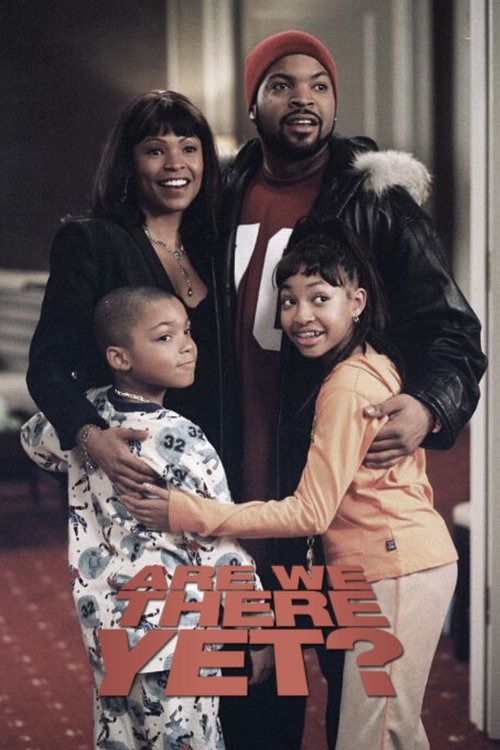
Are We There Yet?
The fledgling romance between Nick, a playboy bachelor, and Suzanne, a divorced mother of two, is threatened by a particularly harrowing New Years Eve. When Suzanne's work keeps her in Vancouver for the holiday, Nick offers to bring her kids to the city from Portland, Oregon. The kids, who have never liked any of the men their mom dates, are determined to turn the trip into a nightmare for Nick.
Despite a respectable budget of $32.0M, Are We There Yet? became a box office success, earning $97.9M worldwide—a 206% return.
1 win & 8 nominations


Plot Structure
Story beats plotted across runtime


Narrative Arc
Emotional journey through the story's key moments
Story Circle
Blueprint 15-beat structure
Arcplot Score Breakdown
Weighted: Precision (70%) + Arc (15%) + Theme (15%)
Are We There Yet? (2005) reveals carefully calibrated plot construction, characteristic of Brian Levant's storytelling approach. This structural analysis examines how the film's 15-point plot structure maps to proven narrative frameworks across 1 hour and 35 minutes. With an Arcplot score of 7.0, the film balances conventional beats with creative variation.
Characters
Cast & narrative archetypes

Nick Persons
Suzanne Kingston
Lindsey Kingston
Kevin Kingston
Main Cast & Characters
Nick Persons
Played by Ice Cube
A confirmed bachelor and sports memorabilia dealer who reluctantly drives his crush's kids to Vancouver to win her affection.
Suzanne Kingston
Played by Nia Long
A divorced mother of two who Nick is pursuing romantically, unaware of the chaos her children will cause.
Lindsey Kingston
Played by Aleisha Allen
Suzanne's intelligent and manipulative teenage daughter who actively sabotages Nick's efforts throughout the trip.
Kevin Kingston
Played by Philip Daniel Bolden
Suzanne's mischievous younger son who creates endless problems for Nick during their road trip.
Structural Analysis
The Status Quo at 1 minutes (1% through the runtime) establishes Nick Persons shows off his bachelor lifestyle, successful sports memorabilia business, and expensive material possessions. He's a confirmed bachelor who loves his freedom and kid-free life.. Notably, this early placement immediately immerses viewers in the story world.
The inciting incident occurs at 12 minutes when Suzanne must fly to Vancouver for a work crisis on New Year's Eve, leaving the kids behind. Their planned family trip is ruined, and the children are devastated they won't see their mother for the holiday.. At 12% through the film, this Disruption aligns precisely with traditional story structure. This beat shifts the emotional landscape, launching the protagonist into the central conflict.
The First Threshold at 23 minutes marks the transition into Act II, occurring at 24% of the runtime. This indicates the protagonist's commitment to Nick makes the active choice to volunteer to drive Kevin and Lindsey to Vancouver. He commits to the road trip, leaving his comfort zone behind and entering the world of responsibility and family., moving from reaction to action.
At 48 minutes, the Midpoint arrives at 50% of the runtime—precisely centered, creating perfect narrative symmetry. Notably, this crucial beat After a major disaster (possibly the car completely breaking down or a particularly devastating prank), Nick loses his temper and reveals his frustration. The false defeat: it seems impossible that this trip will succeed or that he'll ever connect with the kids., fundamentally raising what's at risk. The emotional intensity shifts, dividing the narrative into clear before-and-after phases.
The Collapse moment at 72 minutes (76% through) represents the emotional nadir. Here, The lowest point: Nick and the kids have a major blowout. Hurtful truths are spoken, the kids reveal their deep pain about their father leaving, and it seems Nick has failed completely. The "death" of his chance with Suzanne and any hope of connecting with the children., demonstrates the protagonist at their lowest point. This beat's placement in the final quarter sets up the climactic reversal.
The Second Threshold at 76 minutes initiates the final act resolution at 80% of the runtime. Nick has a realization: it's not about impressing Suzanne or winning—it's about genuinely caring for these kids. He synthesizes his resourcefulness with newfound selflessness. He commits to being there for them, not for what he gets out of it., demonstrating the transformation achieved throughout the journey.
Emotional Journey
Are We There Yet?'s emotional architecture traces a deliberate progression across 15 carefully calibrated beats.
Narrative Framework
This structural analysis employs a 15-point narrative structure framework that maps key story moments. By mapping Are We There Yet? against these established plot points, we can identify how Brian Levant utilizes or subverts traditional narrative conventions. The plot point approach reveals not only adherence to structural principles but also creative choices that distinguish Are We There Yet? within the family genre.
Brian Levant's Structural Approach
Among the 9 Brian Levant films analyzed on Arcplot, the average structural score is 7.2, reflecting strong command of classical structure. Are We There Yet? takes a more unconventional approach compared to the director's typical style. For comparative analysis, explore the complete Brian Levant filmography.
Comparative Analysis
Additional family films include The Black Stallion, The Bad Guys and Ella Enchanted. For more Brian Levant analyses, see The Flintstones, Problem Child 2 and The Flintstones in Viva Rock Vegas.
Plot Points by Act
Act I
SetupStatus Quo
Nick Persons shows off his bachelor lifestyle, successful sports memorabilia business, and expensive material possessions. He's a confirmed bachelor who loves his freedom and kid-free life.
Theme
Suzanne tells Nick that her kids are the most important thing in her life, and any man in her life needs to accept that. The theme: family and children require sacrifice and genuine commitment.
Worldbuilding
Establishment of Nick's world: his business, his friend Marty, his attraction to Suzanne, and the obstacle of her two kids Kevin and Lindsey who don't trust him. Nick awkwardly tries to win them over but fails.
Disruption
Suzanne must fly to Vancouver for a work crisis on New Year's Eve, leaving the kids behind. Their planned family trip is ruined, and the children are devastated they won't see their mother for the holiday.
Resistance
Nick debates whether to volunteer to drive the kids to Vancouver. He fears children, road trips, and responsibility, but wants to impress Suzanne. Marty and others question if he can handle it. Nick wrestles with the decision.
Act II
ConfrontationFirst Threshold
Nick makes the active choice to volunteer to drive Kevin and Lindsey to Vancouver. He commits to the road trip, leaving his comfort zone behind and entering the world of responsibility and family.
Mirror World
Nick begins the journey with Kevin and Lindsey, who immediately reveal they don't want him with their mom and plan to sabotage the trip. The kids represent the thematic challenge: earning love and trust requires genuine care, not just showing up.
Premise
The "fun and games" of the road trip from hell: the kids sabotage Nick at every turn with pranks, disasters, and chaos. His car is destroyed, they encounter bizarre situations, and Nick's patience is tested to the breaking point.
Midpoint
After a major disaster (possibly the car completely breaking down or a particularly devastating prank), Nick loses his temper and reveals his frustration. The false defeat: it seems impossible that this trip will succeed or that he'll ever connect with the kids.
Opposition
The situation worsens as obstacles mount: transportation problems, the kids' continued resistance, and external complications. Nick's old selfish patterns emerge as he struggles. The children's pain about their absent father surfaces, raising the emotional stakes.
Collapse
The lowest point: Nick and the kids have a major blowout. Hurtful truths are spoken, the kids reveal their deep pain about their father leaving, and it seems Nick has failed completely. The "death" of his chance with Suzanne and any hope of connecting with the children.
Crisis
Nick reflects on what the kids really need versus what he's been doing. He processes his own fear of commitment and family. The children also reflect on their behavior and their need for a father figure who truly cares.
Act III
ResolutionSecond Threshold
Nick has a realization: it's not about impressing Suzanne or winning—it's about genuinely caring for these kids. He synthesizes his resourcefulness with newfound selflessness. He commits to being there for them, not for what he gets out of it.
Synthesis
Nick takes authentic action to help the kids reach their mother and repair their relationship. He demonstrates he's changed by putting their needs first. They finally arrive in Vancouver, and genuine bonds have formed. Nick proves himself worthy of being in their family.
Transformation
Nick is now fully integrated into the family. The kids accept him, Suzanne sees his transformation, and Nick has embraced the responsibility and love of family life. The former bachelor is now a father figure, mirroring and inverting his selfish opening image.