
Arthur the King
An adventure racer adopts a stray dog named Arthur to join him in an epic endurance race.
Despite a moderate budget of $19.0M, Arthur the King became a financial success, earning $40.8M worldwide—a 115% return.
3 wins & 1 nomination


Plot Structure
Story beats plotted across runtime


Narrative Arc
Emotional journey through the story's key moments
Story Circle
Blueprint 15-beat structure
Characters
Cast & narrative archetypes
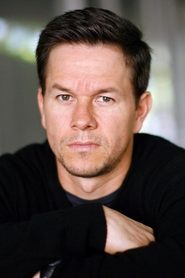
Michael Light

Arthur

Chik

Olivia
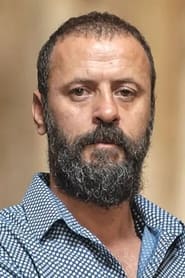
Leo

Helena
Main Cast & Characters
Michael Light
Played by Mark Wahlberg
Adventure racing team captain struggling to prove himself one last time after past failures.
Arthur
Played by Ukai (dog actor)
A scrappy street dog who bonds with Michael during the race and becomes part of the team.
Chik
Played by Simu Liu
Team navigator and Michael's friend who provides tactical expertise and grounded perspective.
Olivia
Played by Nathalie Emmanuel
Team climber and medic who brings technical skill and compassion to the group.
Leo
Played by Ali Suliman
The team's strongman and kayaker who provides physical strength and loyal support.
Helena
Played by Juliet Rylance
Michael's supportive wife who believes in him despite their financial struggles.
Structural Analysis
The Status Quo at 1 minutes (1% through the runtime) establishes Michael Light is a worn-down adventure racer dealing with past failures and strained relationships with his team, showing a man who has lost his competitive edge and purpose.. The analysis reveals that this early placement immediately immerses viewers in the story world.
The inciting incident occurs at 13 minutes when Michael gets one last chance—an opportunity to compete in the Adventure Racing World Championship in the Dominican Republic, a grueling multi-day race that could redeem his career and prove himself to his team.. At 12% through the film, this Disruption aligns precisely with traditional story structure. This beat shifts the emotional landscape, launching the protagonist into the central conflict.
The First Threshold at 27 minutes marks the transition into Act II, occurring at 25% of the runtime. This indicates the protagonist's commitment to The race begins in the Dominican Republic. Michael and his team commit fully, crossing into the world of extreme competition where they'll face grueling physical and mental challenges across jungle, mountains, and water., moving from reaction to action.
At 54 minutes, the Midpoint arrives at 50% of the runtime—precisely centered, creating perfect narrative symmetry. Significantly, this crucial beat False victory: The team is performing well in the race and Arthur continues to follow despite the dangerous conditions. Michael feels redemption within reach, bonding deeply with the dog and reconnecting with his teammates, but the hardest challenges still lie ahead., fundamentally raising what's at risk. The emotional intensity shifts, dividing the narrative into clear before-and-after phases.
The Collapse moment at 80 minutes (75% through) represents the emotional nadir. Here, Arthur collapses from exhaustion and injury, near death. Michael must face the consequences of his driven ambition—he's pushed forward at the cost of this loyal creature who trusted him. The whiff of death is literal as the dog's life hangs in the balance., shows the protagonist at their lowest point. This beat's placement in the final quarter sets up the climactic reversal.
The Second Threshold at 86 minutes initiates the final act resolution at 80% of the runtime. Michael makes a pivotal decision: he chooses Arthur over the race. He commits to saving the dog and bringing him home, synthesizing his competitive drive with the loyalty and humanity he'd lost. The team rallies behind this choice, unified by a purpose greater than winning., demonstrating the transformation achieved throughout the journey.
Emotional Journey
Arthur the King's emotional architecture traces a deliberate progression across 15 carefully calibrated beats.
Narrative Framework
This structural analysis employs structural analysis methodology used to understand storytelling architecture. By mapping Arthur the King against these established plot points, we can identify how Simon Cellan Jones utilizes or subverts traditional narrative conventions. The plot point approach reveals not only adherence to structural principles but also creative choices that distinguish Arthur the King within the adventure genre.
Simon Cellan Jones's Structural Approach
Among the 2 Simon Cellan Jones films analyzed on Arcplot, the average structural score is 7.6, reflecting strong command of classical structure. Arthur the King exemplifies the director's characteristic narrative technique. For comparative analysis, explore the complete Simon Cellan Jones filmography.
Comparative Analysis
Additional adventure films include The Black Stallion, The Bad Guys and Puss in Boots. For more Simon Cellan Jones analyses, see The Family Plan.
Plot Points by Act
Act I
SetupStatus Quo
Michael Light is a worn-down adventure racer dealing with past failures and strained relationships with his team, showing a man who has lost his competitive edge and purpose.
Theme
A team member or sponsor mentions that winning isn't just about individual glory, but about trust and being there for each other when it matters most—foreshadowing Michael's journey from self-focused competitor to loyal teammate.
Worldbuilding
Introduction to the world of adventure racing, Michael's damaged reputation from a previous race failure, his strained marriage, financial struggles, and the dynamics of his fractured team who don't fully trust him anymore.
Disruption
Michael gets one last chance—an opportunity to compete in the Adventure Racing World Championship in the Dominican Republic, a grueling multi-day race that could redeem his career and prove himself to his team.
Resistance
Michael debates whether he can still compete at this level, works to convince skeptical teammates to join him, faces family resistance about leaving again, and prepares for the race while dealing with self-doubt and trust issues within the team.
Act II
ConfrontationFirst Threshold
The race begins in the Dominican Republic. Michael and his team commit fully, crossing into the world of extreme competition where they'll face grueling physical and mental challenges across jungle, mountains, and water.
Mirror World
Michael encounters Arthur, a wounded street dog who begins following the team. The dog represents unconditional loyalty and trust—the very qualities Michael needs to rediscover in himself and rebuild with his team.
Premise
The promise of the adventure racing premise unfolds: extreme terrain, team dynamics under pressure, and the growing bond between Michael and Arthur. The dog's persistence and loyalty begin to mirror the trust Michael must rebuild, while the team navigates treacherous jungle courses, river crossings, and mountain climbs.
Midpoint
False victory: The team is performing well in the race and Arthur continues to follow despite the dangerous conditions. Michael feels redemption within reach, bonding deeply with the dog and reconnecting with his teammates, but the hardest challenges still lie ahead.
Opposition
The race intensifies with brutal conditions. Arthur becomes increasingly injured and weak from following the team through dangerous terrain. Michael faces an agonizing choice between his competitive goals and the dog's welfare. Team conflicts resurface, injuries mount, and other teams gain ground.
Collapse
Arthur collapses from exhaustion and injury, near death. Michael must face the consequences of his driven ambition—he's pushed forward at the cost of this loyal creature who trusted him. The whiff of death is literal as the dog's life hangs in the balance.
Crisis
Michael grapples with guilt and what truly matters. He tends to Arthur, confronting whether winning is worth the cost. This dark night forces him to examine his priorities—career redemption versus honoring the trust and loyalty Arthur represents.
Act III
ResolutionSecond Threshold
Michael makes a pivotal decision: he chooses Arthur over the race. He commits to saving the dog and bringing him home, synthesizing his competitive drive with the loyalty and humanity he'd lost. The team rallies behind this choice, unified by a purpose greater than winning.
Synthesis
The finale shows Michael fighting to complete the race while protecting Arthur, navigating international bureaucracy to bring the dog home to the U.S., reuniting with his family as a changed man, and ultimately succeeding not just in competition but in demonstrating what loyalty and commitment truly mean.
Transformation
Final image mirrors the opening but transformed: Michael at home with Arthur and his family, no longer the self-focused competitor but a man who understands that true victory comes from loyalty, trust, and being there for those who depend on you—the lesson Arthur taught him.