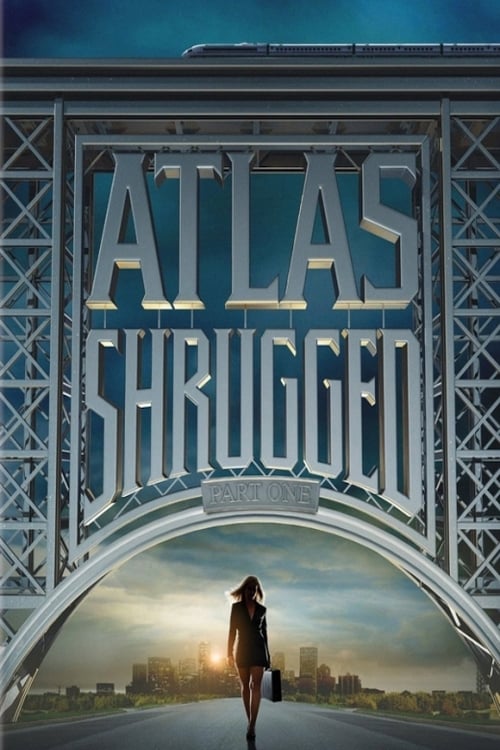
Atlas Shrugged: Part I
A powerful railroad executive, Dagny Taggart, struggles to keep her business alive while society is crumbling around her. Based on the 1957 novel by Ayn Rand.
The film commercial failure against its moderate budget of $20.0M, earning $4.6M globally (-77% loss). While initial box office returns were modest, the film has gained appreciation for its compelling narrative within the drama genre.


Plot Structure
Story beats plotted across runtime


Narrative Arc
Emotional journey through the story's key moments
Story Circle
Blueprint 15-beat structure
Arcplot Score Breakdown
Weighted: Precision (70%) + Arc (15%) + Theme (15%)
Atlas Shrugged: Part I (2011) demonstrates deliberately positioned narrative architecture, characteristic of Paul Johansson's storytelling approach. This structural analysis examines how the film's 15-point plot structure maps to proven narrative frameworks across 1 hour and 37 minutes. With an Arcplot score of 7.1, the film balances conventional beats with creative variation.
Characters
Cast & narrative archetypes

Dagny Taggart
Hank Rearden
Francisco d'Anconia
James Taggart
Lillian Rearden
Ellis Wyatt
Main Cast & Characters
Dagny Taggart
Played by Taylor Schilling
Vice President of Operations at Taggart Transcontinental, determined to save her railroad against government interference and corporate mediocrity.
Hank Rearden
Played by Grant Bowler
Self-made steel magnate and inventor of Rearden Metal, fighting to maintain his business against regulatory pressure and looters.
Francisco d'Anconia
Played by Jsu Garcia
Heir to a vast copper fortune who mysteriously appears to squander his wealth, but may be playing a deeper game.
James Taggart
Played by Matthew Marsden
President of Taggart Transcontinental, Dagny's brother who relies on political connections rather than merit.
Lillian Rearden
Played by Rebecca Wisocky
Hank Rearden's socialite wife who resents his passion for business and seeks to undermine him.
Ellis Wyatt
Played by Graham Beckel
Oil entrepreneur who represents the innovative producers being strangled by government regulation.
Structural Analysis
The Status Quo at 1 minutes (1% through the runtime) establishes Dagny Taggart stands on a deteriorating railway platform in a collapsing American economy. The image establishes a dystopian 2016 where gas is $37/gallon and productive industries are failing.. The analysis reveals that this early placement immediately immerses viewers in the story world.
The inciting incident occurs at 11 minutes when The Rio Norte Line catastrophically fails when the Taggart Tunnel collapses, killing passengers. This disaster threatens the company's ability to serve Colorado's last productive industries, forcing Dagny to act.. At 11% through the film, this Disruption aligns precisely with traditional story structure. This beat shifts the emotional landscape, launching the protagonist into the central conflict.
The First Threshold at 24 minutes marks the transition into Act II, occurring at 24% of the runtime. This demonstrates the protagonist's commitment to Dagny makes the active choice to stake her career on rebuilding the Rio Norte Line with Rearden Metal, defying the board, public opinion, and safety concerns. She commits to the new world of standing alone against collectivism., moving from reaction to action.
At 48 minutes, the Midpoint arrives at 49% of the runtime—precisely centered, creating perfect narrative symmetry. Structural examination shows that this crucial beat The triumphant maiden voyage of the John Galt Line on Rearden Metal rails - a false victory. Dagny and Rearden celebrate their achievement and consummate their attraction, but the opposition is gathering strength., fundamentally raising what's at risk. The emotional intensity shifts, dividing the narrative into clear before-and-after phases.
The Collapse moment at 71 minutes (73% through) represents the emotional nadir. Here, Ellis Wyatt, Colorado's most productive oil man and the reason for the railway line, disappears and sets his oil fields ablaze. The entire purpose of Dagny's achievement dies in flames. Wyatt leaves a sign: "I am leaving it as I found it. Take over. It's yours."., shows the protagonist at their lowest point. This beat's placement in the final quarter sets up the climactic reversal.
The Second Threshold at 77 minutes initiates the final act resolution at 80% of the runtime. Dagny realizes the disappearances are connected to a single person - John Galt is real and recruiting the producers. Rather than join them in withdrawal, she resolves to find him and bring them back, synthesizing her love of achievement with new understanding., demonstrating the transformation achieved throughout the journey.
Emotional Journey
Atlas Shrugged: Part I's emotional architecture traces a deliberate progression across 15 carefully calibrated beats.
Narrative Framework
This structural analysis employs a 15-point narrative structure framework that maps key story moments. By mapping Atlas Shrugged: Part I against these established plot points, we can identify how Paul Johansson utilizes or subverts traditional narrative conventions. The plot point approach reveals not only adherence to structural principles but also creative choices that distinguish Atlas Shrugged: Part I within the drama genre.
Comparative Analysis
Additional drama films include After Thomas, South Pacific and Dirty Dancing: Havana Nights.
Plot Points by Act
Act I
SetupStatus Quo
Dagny Taggart stands on a deteriorating railway platform in a collapsing American economy. The image establishes a dystopian 2016 where gas is $37/gallon and productive industries are failing.
Theme
Francisco d'Oro asks Dagny at a party, "Who is John Galt?" - the phrase representing society's resignation to decline. The theme of individual achievement versus collectivist decay is introduced.
Worldbuilding
Establishment of the failing American economy, Taggart Transcontinental railroad's deteriorating condition, Dagny's brother James' incompetence, government intervention in business, and the mysterious disappearances of productive individuals.
Disruption
The Rio Norte Line catastrophically fails when the Taggart Tunnel collapses, killing passengers. This disaster threatens the company's ability to serve Colorado's last productive industries, forcing Dagny to act.
Resistance
Dagny debates whether to defy conventional wisdom and rebuild with Rearden Metal, an untested alloy. She faces opposition from her brother, the board, and government regulations. Hank Rearden emerges as a potential ally.
Act II
ConfrontationFirst Threshold
Dagny makes the active choice to stake her career on rebuilding the Rio Norte Line with Rearden Metal, defying the board, public opinion, and safety concerns. She commits to the new world of standing alone against collectivism.
Mirror World
Dagny and Hank Rearden begin their professional partnership and mutual attraction emerges. Their relationship will embody the theme: two producers who refuse to apologize for their achievements finding connection.
Premise
The promise of the premise - Dagny and Rearden working together to build the impossible railway line. Their collaboration succeeds against all odds while they navigate government obstacles, media attacks, and the mystery of disappearing industrialists.
Midpoint
The triumphant maiden voyage of the John Galt Line on Rearden Metal rails - a false victory. Dagny and Rearden celebrate their achievement and consummate their attraction, but the opposition is gathering strength.
Opposition
The government passes the "Fair Share Law" and "Equalization of Opportunity Act" targeting successful businesses. Rearden is forced to sell his ore mines. More industrialists disappear. Dagny investigates the abandoned motor and the identity of John Galt.
Collapse
Ellis Wyatt, Colorado's most productive oil man and the reason for the railway line, disappears and sets his oil fields ablaze. The entire purpose of Dagny's achievement dies in flames. Wyatt leaves a sign: "I am leaving it as I found it. Take over. It's yours."
Crisis
Dagny watches Wyatt's fires burn, processing the loss of everything she worked for. She contemplates the meaning of the disappearances and questions whether to continue fighting in a system designed to punish achievement.
Act III
ResolutionSecond Threshold
Dagny realizes the disappearances are connected to a single person - John Galt is real and recruiting the producers. Rather than join them in withdrawal, she resolves to find him and bring them back, synthesizing her love of achievement with new understanding.
Synthesis
Dagny commits to uncovering John Galt's identity and location. She continues investigating the motor, pursues leads on the disappeared, and maintains the railroad against mounting obstacles, preparing for the confrontation to come in future installments.
Transformation
Dagny stands determined, no longer the woman who asked "Who is John Galt?" in resignation but one who demands to know in defiance. She has transformed from a woman trying to save her company into a woman fighting for the principle of human achievement itself.