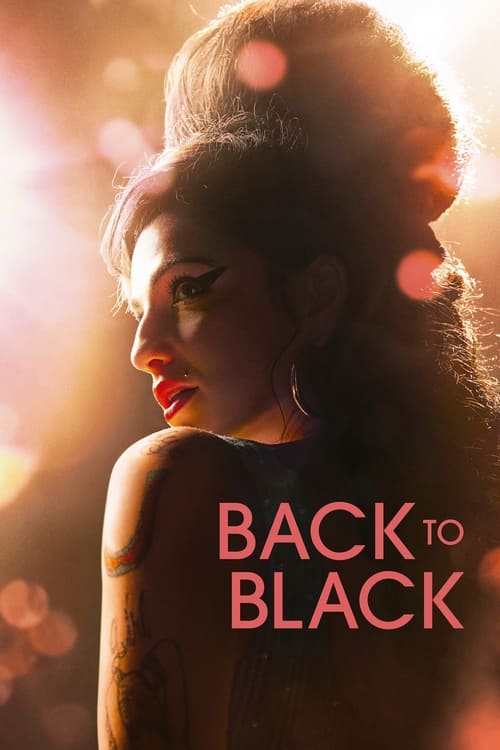
Back to Black
The extraordinary story of Amy Winehouse’s early rise to fame from her early days in Camden through the making of her groundbreaking album, Back to Black that catapulted Winehouse to global fame. Told through Amy’s eyes and inspired by her deeply personal lyrics, the film explores and embraces the many layers of the iconic artist and the tumultuous love story at the center of one of the most legendary albums of all time.
Working with a respectable budget of $30.0M, the film achieved a modest success with $51.0M in global revenue (+70% profit margin).
1 win & 10 nominations


Plot Structure
Story beats plotted across runtime


Narrative Arc
Emotional journey through the story's key moments
Story Circle
Blueprint 15-beat structure
Arcplot Score Breakdown
Weighted: Precision (70%) + Arc (15%) + Theme (15%)
Back to Black (2024) exhibits deliberately positioned narrative architecture, characteristic of Sam Taylor-Johnson's storytelling approach. This structural analysis examines how the film's 15-point plot structure maps to proven narrative frameworks across 2 hours and 2 minutes. With an Arcplot score of 6.9, the film balances conventional beats with creative variation.
Characters
Cast & narrative archetypes

Amy Winehouse
Blake Fielder-Civil
Mitch Winehouse
Janis Winehouse
Nick Shymansky
Main Cast & Characters
Amy Winehouse
Played by Marisa Abela
Talented British singer-songwriter struggling with addiction, fame, and turbulent relationships while creating iconic soul music.
Blake Fielder-Civil
Played by Jack O'Connell
Amy's volatile love interest and eventual husband whose relationship fuels her addiction and creative output.
Mitch Winehouse
Played by Eddie Marsan
Amy's father, a jazz-loving taxi driver who maintains a complicated relationship with his daughter as her fame grows.
Janis Winehouse
Played by Juliet Cowan
Amy's mother who watches helplessly as her daughter spirals into addiction and fame.
Nick Shymansky
Played by Sam Buchanan
Amy's first manager and early supporter who tries to protect her from the industry's darker side.
Structural Analysis
The Status Quo at 1 minutes (1% through the runtime) establishes Young Amy performs jazz with raw talent in a small North London venue, surrounded by her supportive family and tight-knit community, showing her authentic self before fame.. The analysis reveals that this early placement immediately immerses viewers in the story world.
The inciting incident occurs at 15 minutes when Amy meets Blake Fielder-Civil at a pub, experiencing immediate and intense romantic chemistry that disrupts her focus on music and sets her on a path toward both creative inspiration and personal destruction.. At 13% through the film, this Disruption is delayed, allowing extended setup of the story world. This beat shifts the emotional landscape, launching the protagonist into the central conflict.
The First Threshold at 30 minutes marks the transition into Act II, occurring at 25% of the runtime. This shows the protagonist's commitment to Blake abruptly leaves Amy to return to his ex-girlfriend, devastating her. Amy makes the choice to channel her heartbreak into music, committing fully to creating the album "Back to Black" as a way to process her pain., moving from reaction to action.
At 60 minutes, the Midpoint arrives at 49% of the runtime—precisely centered, creating perfect narrative symmetry. Of particular interest, this crucial beat Amy wins five Grammy Awards in a single night, a false victory that represents the peak of her professional success but masks the deepening crisis in her personal life and increasing substance abuse with Blake., fundamentally raising what's at risk. The emotional intensity shifts, dividing the narrative into clear before-and-after phases.
The Collapse moment at 91 minutes (75% through) represents the emotional nadir. Here, Amy's disastrous performance at the Belgrade concert, where she appears incoherent and unable to perform, is broadcast globally. Her grandmother Cynthia, her source of unconditional love and wisdom, dies, leaving Amy utterly alone., reveals the protagonist at their lowest point. This beat's placement in the final quarter sets up the climactic reversal.
The Second Threshold at 97 minutes initiates the final act resolution at 80% of the runtime. Amy attempts to reclaim herself, seeking treatment and trying to break free from the toxic patterns. She recognizes her grandmother's wisdom about self-love and makes a genuine effort to choose herself over Blake and the destructive cycle., demonstrating the transformation achieved throughout the journey.
Emotional Journey
Back to Black's emotional architecture traces a deliberate progression across 15 carefully calibrated beats.
Narrative Framework
This structural analysis employs a 15-point narrative structure framework that maps key story moments. By mapping Back to Black against these established plot points, we can identify how Sam Taylor-Johnson utilizes or subverts traditional narrative conventions. The plot point approach reveals not only adherence to structural principles but also creative choices that distinguish Back to Black within the music genre.
Sam Taylor-Johnson's Structural Approach
Among the 3 Sam Taylor-Johnson films analyzed on Arcplot, the average structural score is 7.0, demonstrating varied approaches to story architecture. Back to Black takes a more unconventional approach compared to the director's typical style. For comparative analysis, explore the complete Sam Taylor-Johnson filmography.
Comparative Analysis
Additional music films include South Pacific, Dirty Dancing: Havana Nights and Yesterday. For more Sam Taylor-Johnson analyses, see Fifty Shades of Grey, Nowhere Boy.
Plot Points by Act
Act I
SetupStatus Quo
Young Amy performs jazz with raw talent in a small North London venue, surrounded by her supportive family and tight-knit community, showing her authentic self before fame.
Theme
Amy's grandmother Cynthia tells her, "You've got to love yourself first, darling," introducing the central theme of self-worth versus seeking validation through toxic love.
Worldbuilding
Establishment of Amy's world: her close relationship with her family, particularly her father Mitch and grandmother Cynthia, her natural musical gift, her vulnerability and need for genuine connection, and the local jazz scene where she hones her craft.
Disruption
Amy meets Blake Fielder-Civil at a pub, experiencing immediate and intense romantic chemistry that disrupts her focus on music and sets her on a path toward both creative inspiration and personal destruction.
Resistance
Amy navigates early fame with her debut album while pursuing her volatile relationship with Blake. Her management and family debate whether Blake is good for her, but Amy resists guidance, believing their passionate connection is worth the chaos.
Act II
ConfrontationFirst Threshold
Blake abruptly leaves Amy to return to his ex-girlfriend, devastating her. Amy makes the choice to channel her heartbreak into music, committing fully to creating the album "Back to Black" as a way to process her pain.
Mirror World
Amy collaborates with producer Mark Ronson and songwriter Salaam Remi, finding a creative partnership that mirrors the intimacy she craves. The studio becomes a space where her vulnerability transforms into art.
Premise
Amy experiences meteoric rise to fame with "Back to Black," achieving critical acclaim and commercial success. She reunites with Blake, and they marry, but their relationship becomes increasingly fueled by drugs and codependency even as her career soars.
Midpoint
Amy wins five Grammy Awards in a single night, a false victory that represents the peak of her professional success but masks the deepening crisis in her personal life and increasing substance abuse with Blake.
Opposition
The pressure intensifies as Amy's addiction worsens, paparazzi hound her relentlessly, her performances become erratic, and Blake is sent to prison. Her father and management push her to tour and capitalize on fame despite her deteriorating mental health.
Collapse
Amy's disastrous performance at the Belgrade concert, where she appears incoherent and unable to perform, is broadcast globally. Her grandmother Cynthia, her source of unconditional love and wisdom, dies, leaving Amy utterly alone.
Crisis
Amy spirals in grief and isolation, processing the loss of her grandmother and confronting the emptiness of fame without genuine human connection. She recognizes that neither Blake nor the industry truly sees or values her authentic self.
Act III
ResolutionSecond Threshold
Amy attempts to reclaim herself, seeking treatment and trying to break free from the toxic patterns. She recognizes her grandmother's wisdom about self-love and makes a genuine effort to choose herself over Blake and the destructive cycle.
Synthesis
Amy works toward recovery and attempts to rebuild her life and career on her own terms. However, the synthesis remains fragile as she struggles with the fundamental conflict between her need for love and her need for self-preservation, showing brief moments of hope.
Transformation
Amy alone in her Camden home, the same place where she created her greatest work, now empty and quiet. The image mirrors the opening but shows the tragic cost of fame without self-love—a negative transformation where she remains trapped despite her awareness.