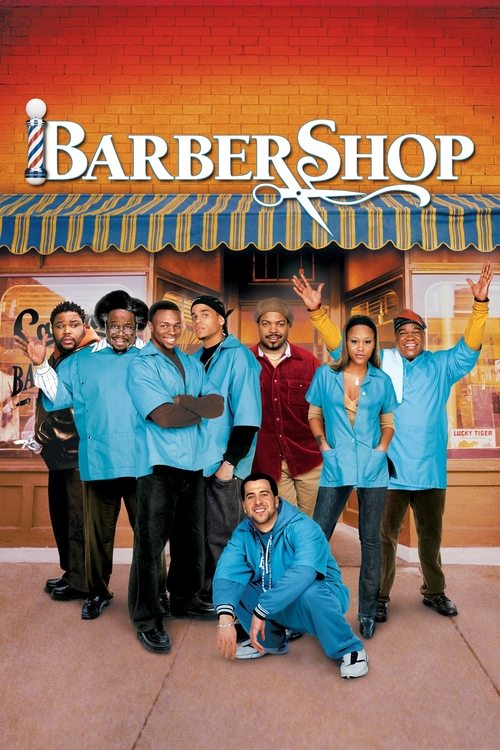
Barbershop
A day in the life of a barbershop on the south side of Chicago. Calvin, who inherited the struggling business from his deceased father, views the shop as nothing but a burden and waste of his time. After selling the shop to a local loan shark, Calvin slowly begins to see his father's vision and legacy and struggles with the notion that he just sold it out.
Despite its limited budget of $12.0M, Barbershop became a commercial juggernaut, earning $77.1M worldwide—a remarkable 542% return. The film's compelling narrative engaged audiences, demonstrating that strong storytelling can transcend budget limitations.
1 win & 17 nominations


Plot Structure
Story beats plotted across runtime


Narrative Arc
Emotional journey through the story's key moments
Story Circle
Blueprint 15-beat structure
Arcplot Score Breakdown
Weighted: Precision (70%) + Arc (15%) + Theme (15%)
Barbershop (2002) reveals meticulously timed story structure, characteristic of Tim Story's storytelling approach. This structural analysis examines how the film's 15-point plot structure maps to proven narrative frameworks across 1 hour and 42 minutes. With an Arcplot score of 7.1, the film balances conventional beats with creative variation.
Characters
Cast & narrative archetypes

Calvin Palmer Jr.
Eddie
Jimmy James
Terri Jones
Ricky Nash
Dinka
Isaac Rosenberg
Lester Wallace
Main Cast & Characters
Calvin Palmer Jr.
Played by Ice Cube
Third-generation barbershop owner struggling with the decision to sell his father's legacy business for quick money.
Eddie
Played by Cedric the Entertainer
The oldest barber in the shop, a wise-cracking elder who has seen everything and shares controversial opinions freely.
Jimmy James
Played by Sean Patrick Thomas
Educated barber with two jobs trying to build a better life, constantly clashing with the less-educated workers.
Terri Jones
Played by Eve
The only female barber in the shop, tough and skilled, who demands respect in a male-dominated space.
Ricky Nash
Played by Michael Ealy
Ex-con trying to go straight and prove himself as a barber while dealing with pressure from the streets.
Dinka
Played by Leonard Earl Howze
African immigrant barber who brings a different cultural perspective and often clashes with the other barbers.
Isaac Rosenberg
Played by Troy Garity
Elderly white barber who has worked in the predominantly Black barbershop for years, part of the family.
Lester Wallace
Played by Keith David
Loan shark and con man who buys the barbershop from Calvin with plans to turn it into a strip club.
Structural Analysis
The Status Quo at 1 minutes (1% through the runtime) establishes Calvin opens the barbershop for another day, showing his routine frustration with the struggling business he inherited from his father. The shop is a neighborhood institution but Calvin feels trapped by it.. Of particular interest, this early placement immediately immerses viewers in the story world.
The inciting incident occurs at 12 minutes when Calvin secretly sells the barbershop to Lester the loan shark for $20,000, seeing it as his ticket to financial freedom and a chance to pursue his own dreams rather than maintain his father's legacy.. At 12% through the film, this Disruption aligns precisely with traditional story structure. This beat shifts the emotional landscape, launching the protagonist into the central conflict.
The First Threshold at 26 minutes marks the transition into Act II, occurring at 25% of the runtime. This reveals the protagonist's commitment to Calvin reveals to the barbers that he sold the shop. The news devastates the crew, who realize they're losing their workplace and the community is losing its gathering place. Calvin must now face the consequences of his choice., moving from reaction to action.
At 51 minutes, the Midpoint arrives at 50% of the runtime—precisely centered, creating perfect narrative symmetry. Structural examination shows that this crucial beat Calvin watches the barbershop in full swing and realizes what he's actually giving up—not just a business, but a legacy, a community hub, and his connection to his late father. False defeat: he recognizes his mistake but believes it's too late to undo the sale., fundamentally raising what's at risk. The emotional intensity shifts, dividing the narrative into clear before-and-after phases.
The Collapse moment at 77 minutes (75% through) represents the emotional nadir. Here, The barbers pack up their stations, preparing to leave forever. Calvin faces the full weight of his betrayal of his father's legacy and the community's trust. The death is metaphorical: the death of the barbershop as a community institution and Calvin's connection to his heritage., illustrates the protagonist at their lowest point. This beat's placement in the final quarter sets up the climactic reversal.
The Second Threshold at 82 minutes initiates the final act resolution at 80% of the runtime. Calvin learns that Lester plans to turn the barbershop into a strip club. This new information, combined with his realization about community responsibility, gives him the clarity and determination to fight for the shop using any means necessary., demonstrating the transformation achieved throughout the journey.
Emotional Journey
Barbershop's emotional architecture traces a deliberate progression across 15 carefully calibrated beats.
Narrative Framework
This structural analysis employs structural analysis methodology used to understand storytelling architecture. By mapping Barbershop against these established plot points, we can identify how Tim Story utilizes or subverts traditional narrative conventions. The plot point approach reveals not only adherence to structural principles but also creative choices that distinguish Barbershop within the comedy genre.
Tim Story's Structural Approach
Among the 10 Tim Story films analyzed on Arcplot, the average structural score is 7.2, reflecting strong command of classical structure. Barbershop takes a more unconventional approach compared to the director's typical style. For comparative analysis, explore the complete Tim Story filmography.
Comparative Analysis
Additional comedy films include The Bad Guys, Ella Enchanted and The Evening Star. For more Tim Story analyses, see Taxi, Think Like a Man Too and Shaft.
Plot Points by Act
Act I
SetupStatus Quo
Calvin opens the barbershop for another day, showing his routine frustration with the struggling business he inherited from his father. The shop is a neighborhood institution but Calvin feels trapped by it.
Theme
Eddie, the old-timer barber, speaks about legacy and what the barbershop means to the community: "This shop is about more than just haircuts." The theme of community legacy versus individual ambition is established.
Worldbuilding
Introduction to the colorful cast of barbers and regulars: Eddie the wise elder, Terri the only woman barber, Isaac the educated newcomer, Ricky the ex-con trying to go straight, and Dinka the African immigrant. The shop serves as the community's gathering place for debates, gossip, and real talk.
Disruption
Calvin secretly sells the barbershop to Lester the loan shark for $20,000, seeing it as his ticket to financial freedom and a chance to pursue his own dreams rather than maintain his father's legacy.
Resistance
Calvin tries to rationalize his decision while keeping it secret. Meanwhile, the B-story follows JD and Billy, two bumbling thieves who steal an ATM machine. Calvin begins to see what the shop means to others as he observes the day's interactions.
Act II
ConfrontationFirst Threshold
Calvin reveals to the barbers that he sold the shop. The news devastates the crew, who realize they're losing their workplace and the community is losing its gathering place. Calvin must now face the consequences of his choice.
Mirror World
Deeper exploration of Calvin's relationship with his wife Jennifer, who represents stability and faith in him. She challenges him to think about what he really values beyond money, mirroring the shop's theme of community over commerce.
Premise
The barbershop continues for one last day of operation. The promise of the premise: passionate debates about Rosa Parks, Martin Luther King Jr., and community issues. The eclectic personalities clash and connect, showing what makes the shop special. Meanwhile, JD and Billy struggle with the stolen ATM.
Midpoint
Calvin watches the barbershop in full swing and realizes what he's actually giving up—not just a business, but a legacy, a community hub, and his connection to his late father. False defeat: he recognizes his mistake but believes it's too late to undo the sale.
Opposition
Calvin desperately tries to get the money back to reverse the sale, but Lester refuses. The barbers become increasingly resentful. A dangerous situation develops when a young kid from the neighborhood gets caught in gang crossfire near the shop, raising stakes about what the community stands to lose.
Collapse
The barbers pack up their stations, preparing to leave forever. Calvin faces the full weight of his betrayal of his father's legacy and the community's trust. The death is metaphorical: the death of the barbershop as a community institution and Calvin's connection to his heritage.
Crisis
Calvin sits in the empty shop, confronting what he's lost. He reflects on memories of his father and what the shop truly represents. He processes that running from his legacy was running from himself and his responsibility to something bigger than his individual dreams.
Act III
ResolutionSecond Threshold
Calvin learns that Lester plans to turn the barbershop into a strip club. This new information, combined with his realization about community responsibility, gives him the clarity and determination to fight for the shop using any means necessary.
Synthesis
Calvin confronts Lester and finds a way to reclaim the shop. The community rallies around the barbershop. JD and Billy's storyline resolves as they face consequences but find redemption. Calvin reconciles with the barbers, demonstrating his commitment to honoring the legacy while making it his own.
Transformation
Calvin reopens the barbershop with renewed purpose, now understanding that he doesn't own the shop—he's its steward for the community. He cuts hair with pride, transformed from a reluctant inheritor into a willing guardian of his father's legacy and the neighborhood's gathering place.