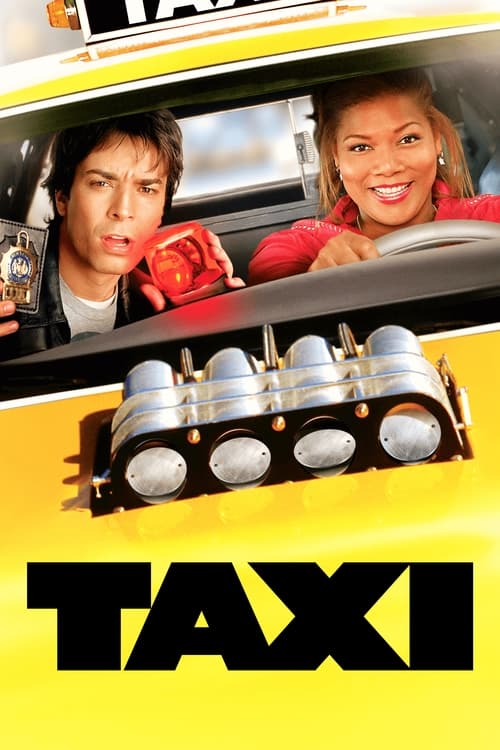
Taxi
A mouthy and feisty taxicab driver has hot tips for a green and inept cop set on solving a string of New York City bank robberies committed by a quartet of female Brazilian bank robbers.
Despite a moderate budget of $25.0M, Taxi became a solid performer, earning $71.3M worldwide—a 185% return.
3 wins & 7 nominations


Plot Structure
Story beats plotted across runtime


Narrative Arc
Emotional journey through the story's key moments
Story Circle
Blueprint 15-beat structure
Arcplot Score Breakdown
Weighted: Precision (70%) + Arc (15%) + Theme (15%)
Taxi (2004) showcases strategically placed plot construction, characteristic of Tim Story's storytelling approach. This structural analysis examines how the film's 15-point plot structure maps to proven narrative frameworks across 1 hour and 37 minutes. With an Arcplot score of 7.6, the film showcases strong structural fundamentals.
Characters
Cast & narrative archetypes

Belle Williams
Andrew 'Andy' Washburn
Vanessa
Lieutenant Marta Robbins
Redhead Bank Robber
Main Cast & Characters
Belle Williams
Played by Queen Latifah
A skilled taxi driver with a need for speed who gets reluctantly pulled into helping an incompetent cop catch bank robbers.
Andrew 'Andy' Washburn
Played by Jimmy Fallon
A bumbling NYPD detective who can't drive and must rely on Belle to catch a group of supermodel bank robbers.
Vanessa
Played by Henry Simmons
Belle's boyfriend and mechanic who built her custom taxi, supportive but sometimes frustrated by her priorities.
Lieutenant Marta Robbins
Played by Jennifer Esposito
Andy's tough, no-nonsense mother and NYPD lieutenant who constantly criticizes her son's incompetence.
Redhead Bank Robber
Played by Gisele Bündchen
The leader of a gang of Brazilian supermodel bank robbers who uses disguises and high-speed BMWs to evade police.
Structural Analysis
The Status Quo at 1 minutes (1% through the runtime) establishes Belle Williams speeds through NYC as a bike messenger, showcasing her extraordinary driving skills and need for speed in her current mundane job.. The analysis reveals that this early placement immediately immerses viewers in the story world.
The inciting incident occurs at 12 minutes when Andy commandeers Belle's taxi to pursue bank robbers, and she witnesses the aftermath of the heist, pulling her into the criminal investigation.. At 12% through the film, this Disruption aligns precisely with traditional story structure. This beat shifts the emotional landscape, launching the protagonist into the central conflict.
The First Threshold at 24 minutes marks the transition into Act II, occurring at 25% of the runtime. This illustrates the protagonist's commitment to Belle agrees to help Andy catch the bank robbers in exchange for having her traffic violations erased, actively choosing to enter the detective world., moving from reaction to action.
At 49 minutes, the Midpoint arrives at 50% of the runtime—precisely centered, creating perfect narrative symmetry. Notably, this crucial beat The bank robbers escape again during a major chase, and Andy's boss threatens to fire him. False defeat - they seem further from catching the criminals than ever., fundamentally raising what's at risk. The emotional intensity shifts, dividing the narrative into clear before-and-after phases.
The Collapse moment at 72 minutes (74% through) represents the emotional nadir. Here, Andy is kicked off the force and Belle loses her taxi license. Their partnership dies. Andy hits rock bottom, having failed as a detective and lost everything., shows the protagonist at their lowest point. This beat's placement in the final quarter sets up the climactic reversal.
The Second Threshold at 77 minutes initiates the final act resolution at 79% of the runtime. Belle and Andy realize they work better together. Belle deduces the robbers' final target. They synthesize their skills - her driving, his detective work - for one final attempt., demonstrating the transformation achieved throughout the journey.
Emotional Journey
Taxi's emotional architecture traces a deliberate progression across 15 carefully calibrated beats.
Narrative Framework
This structural analysis employs structural analysis methodology used to understand storytelling architecture. By mapping Taxi against these established plot points, we can identify how Tim Story utilizes or subverts traditional narrative conventions. The plot point approach reveals not only adherence to structural principles but also creative choices that distinguish Taxi within the action genre.
Tim Story's Structural Approach
Among the 10 Tim Story films analyzed on Arcplot, the average structural score is 7.2, reflecting strong command of classical structure. Taxi represents one of the director's most structurally precise works. For comparative analysis, explore the complete Tim Story filmography.
Comparative Analysis
Additional action films include The Bad Guys, Puss in Boots and Venom: The Last Dance. For more Tim Story analyses, see Think Like a Man Too, Shaft and Ride Along.
Plot Points by Act
Act I
SetupStatus Quo
Belle Williams speeds through NYC as a bike messenger, showcasing her extraordinary driving skills and need for speed in her current mundane job.
Theme
Belle's boss tells her "You can't do everything alone" - establishing the film's theme about partnership and trusting others.
Worldbuilding
Belle quits her messenger job to become a taxi driver with her customized cab. Andy Washburn fails his driving test again and struggles as an NYPD detective. Brazilian bank robbers plan heists.
Disruption
Andy commandeers Belle's taxi to pursue bank robbers, and she witnesses the aftermath of the heist, pulling her into the criminal investigation.
Resistance
Belle resists helping Andy, wanting to focus on her taxi business and NASCAR dreams. Andy begs for her help, offering to clear her violations. Belle debates whether to get involved.
Act II
ConfrontationFirst Threshold
Belle agrees to help Andy catch the bank robbers in exchange for having her traffic violations erased, actively choosing to enter the detective world.
Mirror World
Belle meets Andy's girlfriend Vanessa and begins building a friendship. Their relationship subplot introduces the theme of trust and partnership through romance.
Premise
Belle and Andy work together pursuing leads, engaging in high-speed chases with the robbers. The fun of the mismatched partnership - skilled driver and incompetent detective.
Midpoint
The bank robbers escape again during a major chase, and Andy's boss threatens to fire him. False defeat - they seem further from catching the criminals than ever.
Opposition
Pressure intensifies as the robbers plan their biggest heist. Andy's relationship with Vanessa deteriorates. Belle's taxi license is threatened. The investigation goes nowhere.
Collapse
Andy is kicked off the force and Belle loses her taxi license. Their partnership dies. Andy hits rock bottom, having failed as a detective and lost everything.
Crisis
Andy wallows in defeat. Belle contemplates giving up her dreams. Both face their dark night - alone, they are powerless. They must decide if they truly trust each other.
Act III
ResolutionSecond Threshold
Belle and Andy realize they work better together. Belle deduces the robbers' final target. They synthesize their skills - her driving, his detective work - for one final attempt.
Synthesis
The finale chase through NYC. Belle drives while Andy coordinates. They catch the bank robbers through genuine teamwork, proving they needed each other all along.
Transformation
Belle drives her taxi with Andy as her permanent passenger-partner. Both have grown - Belle learned to trust others, Andy learned confidence. The loner and the loser are now a team.