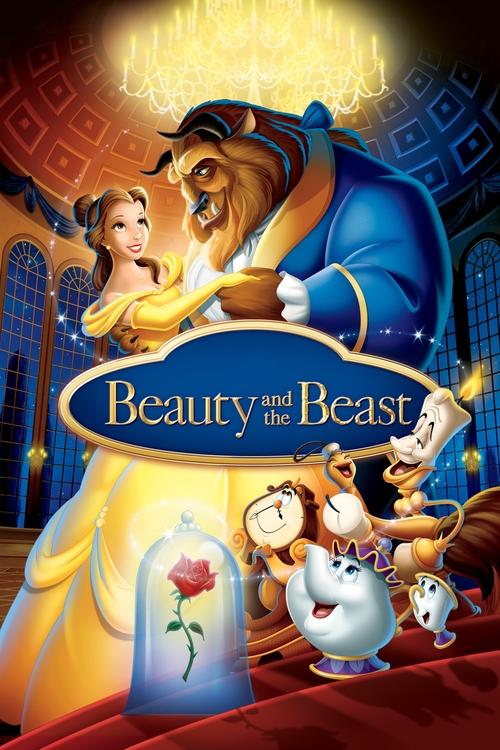
Beauty and the Beast
A prince cursed to spend his days as a hideous monster sets out to regain his humanity by earning a young woman's love.
Despite a respectable budget of $25.0M, Beauty and the Beast became a commercial juggernaut, earning $425.0M worldwide—a remarkable 1600% return.
2 Oscars. 33 wins & 32 nominations


Plot Structure
Story beats plotted across runtime


Narrative Arc
Emotional journey through the story's key moments
Story Circle
Blueprint 15-beat structure
Characters
Cast & narrative archetypes

Belle
Beast
Gaston
Lumiere
Cogsworth
Mrs. Potts
Maurice
LeFou
Main Cast & Characters
Belle
Played by Paige O'Hara
An intelligent, book-loving young woman who becomes prisoner in the Beast's castle and learns to see beyond appearances.
Beast
Played by Robby Benson
A cursed prince trapped in monstrous form who must learn to love and be loved in return to break the spell.
Gaston
Played by Richard White
A narcissistic hunter obsessed with marrying Belle, serving as the film's human antagonist.
Lumiere
Played by Jerry Orbach
The Beast's charming and romantic maître d' transformed into a candelabra.
Cogsworth
Played by David Ogden Stiers
The Beast's uptight and anxious majordomo transformed into a mantel clock.
Mrs. Potts
Played by Angela Lansbury
The castle's warm-hearted housekeeper transformed into a teapot, serving as maternal figure.
Maurice
Played by Rex Everhart
Belle's eccentric inventor father whose capture by the Beast sets the story in motion.
LeFou
Played by Jesse Corti
Gaston's bumbling sidekick who reluctantly assists in his schemes.
Structural Analysis
The Status Quo at 1 minutes (1% through the runtime) establishes Belle walks through her provincial village, feeling out of place. The townspeople gossip about her being odd because she reads books. She dreams of adventure and something more than this simple life.. The analysis reveals that this early placement immediately immerses viewers in the story world.
The inciting incident occurs at 10 minutes when Maurice gets lost in the woods during a storm and is chased by wolves. He stumbles upon the Beast's castle seeking shelter, but is imprisoned by the Beast for trespassing. Belle's ordinary world is disrupted when Philippe returns without her father.. At 12% through the film, this Disruption aligns precisely with traditional story structure. This beat shifts the emotional landscape, launching the protagonist into the central conflict.
The First Threshold at 21 minutes marks the transition into Act II, occurring at 25% of the runtime. This illustrates the protagonist's commitment to Belle makes the active choice to offer herself as the Beast's prisoner in exchange for her father's freedom. "Take me instead!" This irreversible decision launches her into the new world of the enchanted castle., moving from reaction to action.
At 42 minutes, the Midpoint arrives at 50% of the runtime—precisely centered, creating perfect narrative symmetry. Structural examination shows that this crucial beat Belle and Beast share a romantic dinner and ballroom dance to "Beauty and the Beast." This is a false victory—they're falling in love, but Belle is still technically a prisoner and doesn't know she holds the key to breaking the curse. The stakes have fundamentally shifted from captivity to genuine connection., fundamentally raising what's at risk. The emotional intensity shifts, dividing the narrative into clear before-and-after phases.
The Collapse moment at 62 minutes (74% through) represents the emotional nadir. Here, Gaston incites the mob to storm the castle and kill the Beast. The Beast, heartbroken that Belle left, has lost all will to live and refuses to fight back. This is the "all is lost" moment—the rose is nearly dead, the servants are becoming inanimate, and the Beast has given up hope., demonstrates the protagonist at their lowest point. This beat's placement in the final quarter sets up the climactic reversal.
The Second Threshold at 66 minutes initiates the final act resolution at 79% of the runtime. Belle returns to the castle and calls out to Beast. Hearing her voice, Beast finds renewed will to live and begins to fight back against Gaston. Belle's return provides the synthesis—she has chosen love over safety, combining her loyalty to her father with her love for Beast., demonstrating the transformation achieved throughout the journey.
Emotional Journey
Beauty and the Beast's emotional architecture traces a deliberate progression across 15 carefully calibrated beats.
Narrative Framework
This structural analysis employs a 15-point narrative structure framework that maps key story moments. By mapping Beauty and the Beast against these established plot points, we can identify how Kirk Wise utilizes or subverts traditional narrative conventions. The plot point approach reveals not only adherence to structural principles but also creative choices that distinguish Beauty and the Beast within the animation genre.
Kirk Wise's Structural Approach
Among the 3 Kirk Wise films analyzed on Arcplot, the average structural score is 7.3, reflecting strong command of classical structure. Beauty and the Beast exemplifies the director's characteristic narrative technique. For comparative analysis, explore the complete Kirk Wise filmography.
Comparative Analysis
Additional animation films include The Bad Guys, Puss in Boots and Violet Evergarden: Eternity and the Auto Memory Doll. For more Kirk Wise analyses, see Atlantis: The Lost Empire, The Hunchback of Notre Dame.
Plot Points by Act
Act I
SetupStatus Quo
Belle walks through her provincial village, feeling out of place. The townspeople gossip about her being odd because she reads books. She dreams of adventure and something more than this simple life.
Theme
Belle's father Maurice tells her, "Don't worry, Belle. Everything will turn out all right in the end." The theme of looking beyond surface appearances and finding inner beauty is woven throughout their conversation about being different.
Worldbuilding
Establishment of Belle's world: her love of reading, Gaston's pursuit of her, her close relationship with Maurice, and the contrast between Belle's dreams and the narrow-minded village. Meanwhile, we see Maurice preparing to leave for the fair with his invention.
Disruption
Maurice gets lost in the woods during a storm and is chased by wolves. He stumbles upon the Beast's castle seeking shelter, but is imprisoned by the Beast for trespassing. Belle's ordinary world is disrupted when Philippe returns without her father.
Resistance
Belle follows Philippe into the forest to find Maurice. She debates whether to enter the forbidding castle, searches through its dark halls, and discovers her father locked in the tower. She faces the choice of what to do when confronted by the Beast.
Act II
ConfrontationFirst Threshold
Belle makes the active choice to offer herself as the Beast's prisoner in exchange for her father's freedom. "Take me instead!" This irreversible decision launches her into the new world of the enchanted castle.
Mirror World
Belle meets the enchanted servants (Lumiere, Cogsworth, Mrs. Potts, Chip) who represent hope, warmth, and the possibility of breaking the curse through love. They see Belle as the one who might save them and teach the Beast to love. The "Be Our Guest" sequence establishes this relationship.
Premise
The promise of the premise: Belle and Beast navigate their relationship. Beast tries to become more civilized; Belle slowly sees beyond his exterior. They share the library, have snowball fights, and begin to connect. The enchanted castle comes alive with possibility.
Midpoint
Belle and Beast share a romantic dinner and ballroom dance to "Beauty and the Beast." This is a false victory—they're falling in love, but Belle is still technically a prisoner and doesn't know she holds the key to breaking the curse. The stakes have fundamentally shifted from captivity to genuine connection.
Opposition
After the dance, Beast shows Belle her father in the magic mirror—he's sick and lost in the woods. Beast releases Belle to save Maurice, sacrificing his chance at breaking the curse. Meanwhile, Gaston manipulates the situation, plotting to force Belle to marry him by threatening to commit Maurice to an asylum. The antagonistic forces close in.
Collapse
Gaston incites the mob to storm the castle and kill the Beast. The Beast, heartbroken that Belle left, has lost all will to live and refuses to fight back. This is the "all is lost" moment—the rose is nearly dead, the servants are becoming inanimate, and the Beast has given up hope.
Crisis
The dark night: the Beast won't defend himself or the castle. The servants fight the mob while Beast wallows in despair on the balcony. Belle and Maurice race back to the castle, but will they arrive in time? The emotional low point before the final push.
Act III
ResolutionSecond Threshold
Belle returns to the castle and calls out to Beast. Hearing her voice, Beast finds renewed will to live and begins to fight back against Gaston. Belle's return provides the synthesis—she has chosen love over safety, combining her loyalty to her father with her love for Beast.
Synthesis
The finale: Beast fights Gaston and spares his life, choosing mercy. Gaston treacherously stabs Beast. Belle confesses her love as the last petal falls. The curse breaks, transforming Beast back into a prince and restoring the servants to human form. Love conquers all.
Transformation
Belle and the Prince share true love's kiss in the ballroom, surrounded by celebrating servants and the transformed castle bathed in golden light. The closing image mirrors the opening but shows complete transformation—Belle found her adventure and someone who truly understands her; the Prince learned to love and be loved.