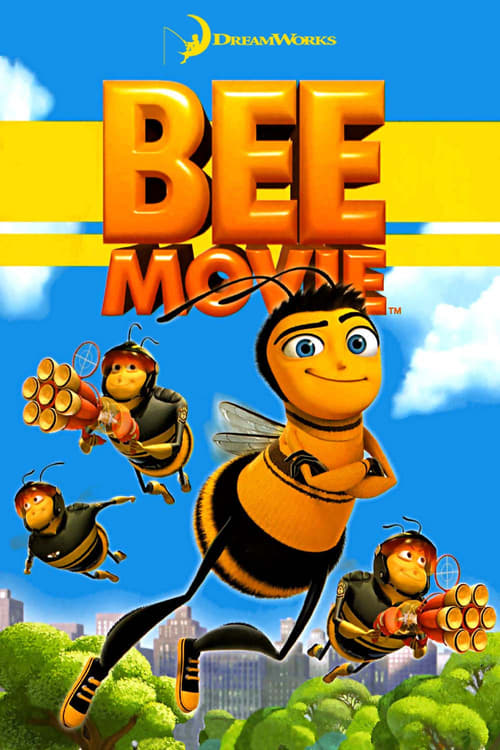
Bee Movie
Barry B. Benson, a recent college graduate who wants more out of his life than making honey, decides to sue the human race after learning about the exploitation of bees at the hands of mankind. What will happen next?
Working with a massive budget of $150.0M, the film achieved a steady performer with $287.6M in global revenue (+92% profit margin).
1 win & 15 nominations


Plot Structure
Story beats plotted across runtime


Narrative Arc
Emotional journey through the story's key moments
Story Circle
Blueprint 15-beat structure
Arcplot Score Breakdown
Weighted: Precision (70%) + Arc (15%) + Theme (15%)
Bee Movie (2007) exhibits meticulously timed dramatic framework, characteristic of Simon J. Smith's storytelling approach. This structural analysis examines how the film's 15-point plot structure maps to proven narrative frameworks across 1 hour and 31 minutes. With an Arcplot score of 7.1, the film balances conventional beats with creative variation.
Characters
Cast & narrative archetypes

Barry B. Benson
Vanessa Bloome
Adam Flayman
Layton T. Montgomery
Ken
Mooseblood
Main Cast & Characters
Barry B. Benson
Played by Jerry Seinfeld
A young bee who questions the rigid society of the hive and discovers humans steal honey, leading him to sue humanity.
Vanessa Bloome
Played by Renée Zellweger
A Manhattan florist who befriends Barry and helps him in his legal battle against humanity.
Adam Flayman
Played by Matthew Broderick
Barry's best friend and voice of reason who follows the traditional bee path and worries about Barry's rebellious choices.
Layton T. Montgomery
Played by John Goodman
A ruthless defense attorney representing the honey industry who attempts to discredit Barry and the bees.
Ken
Played by Patrick Warburton
Vanessa's boyfriend, a vain and aggressive human who is jealous of her friendship with Barry.
Mooseblood
Played by Chris Rock
A streetwise mosquito who befriends Barry and introduces him to the reality of human-insect relations.
Structural Analysis
The Status Quo at 1 minutes (1% through the runtime) establishes Barry Benson wakes up in his room in the hive, a graduating bee ready to choose his job for life. Establishes the regimented, conformist world of the hive where bees have one job forever.. Of particular interest, this early placement immediately immerses viewers in the story world.
The inciting incident occurs at 10 minutes when Barry joins the Pollen Jocks and flies outside the hive for the first time, leaving the safety and conformity of bee society. This is his first glimpse of the world beyond what bees are "supposed" to do.. At 11% through the film, this Disruption aligns precisely with traditional story structure. This beat shifts the emotional landscape, launching the protagonist into the central conflict.
The First Threshold at 19 minutes marks the transition into Act II, occurring at 21% of the runtime. This shows the protagonist's commitment to Barry makes the active choice to break bee law and speak to Vanessa, a human, after she saves his life. This irreversible decision launches him into a new world where bees and humans can communicate., moving from reaction to action.
At 44 minutes, the Midpoint arrives at 48% of the runtime—precisely centered, creating perfect narrative symmetry. Notably, this crucial beat Barry decides to sue the human race for stealing honey from bees. This is a false victory - he thinks he's found his purpose and can make a difference. The stakes raise dramatically as he takes on all of humanity. The fun and games are over., fundamentally raising what's at risk. The emotional intensity shifts, dividing the narrative into clear before-and-after phases.
The Collapse moment at 66 minutes (72% through) represents the emotional nadir. Here, Barry wins the case and all honey is returned to the bees. However, this victory leads to disaster - with infinite honey, the bees stop working. Without bees pollinating, all flowers begin to die. Barry's triumph becomes his darkest moment as he realizes he's destroyed the natural balance., illustrates the protagonist at their lowest point. This beat's placement in the final quarter sets up the climactic reversal.
The Second Threshold at 71 minutes initiates the final act resolution at 78% of the runtime. Barry learns that the last flowers in the world are in the Tournament of Roses parade in Pasadena. He realizes he must get the bees back to work by re-pollinating. He synthesizes what he learned about humans (Vanessa) with his bee abilities to devise a plan to save both worlds., demonstrating the transformation achieved throughout the journey.
Emotional Journey
Bee Movie's emotional architecture traces a deliberate progression across 15 carefully calibrated beats.
Narrative Framework
This structural analysis employs proven narrative structure principles that track dramatic progression. By mapping Bee Movie against these established plot points, we can identify how Simon J. Smith utilizes or subverts traditional narrative conventions. The plot point approach reveals not only adherence to structural principles but also creative choices that distinguish Bee Movie within the family genre.
Simon J. Smith's Structural Approach
Among the 2 Simon J. Smith films analyzed on Arcplot, the average structural score is 7.3, reflecting strong command of classical structure. Bee Movie takes a more unconventional approach compared to the director's typical style. For comparative analysis, explore the complete Simon J. Smith filmography.
Comparative Analysis
Additional family films include The Black Stallion, The Bad Guys and Ella Enchanted. For more Simon J. Smith analyses, see Penguins of Madagascar.
Plot Points by Act
Act I
SetupStatus Quo
Barry Benson wakes up in his room in the hive, a graduating bee ready to choose his job for life. Establishes the regimented, conformist world of the hive where bees have one job forever.
Theme
Adam tells Barry "You're going to be a Stirrer? No one's listening to me!" and later discusses how their lives are predetermined. The theme: questioning whether life should be more than predetermined routine, finding your own path.
Worldbuilding
Graduation day at Honex Industries. Barry and Adam tour the Honex factory where bees are assigned lifelong jobs. Barry expresses doubt about picking just one job forever, showing his restlessness with bee society's rules.
Disruption
Barry joins the Pollen Jocks and flies outside the hive for the first time, leaving the safety and conformity of bee society. This is his first glimpse of the world beyond what bees are "supposed" to do.
Resistance
Barry explores New York City, gets caught in the rain, and experiences the dangers of the outside world. He debates whether he should have stayed in the hive. The Pollen Jocks warn him about the dangers, particularly humans.
Act II
ConfrontationFirst Threshold
Barry makes the active choice to break bee law and speak to Vanessa, a human, after she saves his life. This irreversible decision launches him into a new world where bees and humans can communicate.
Mirror World
Barry and Vanessa bond over coffee and begin their friendship. Vanessa represents the thematic counterpoint - a human who appreciates the value of individual choice and following your passion (she's a florist who loves flowers).
Premise
Barry explores the human world with Vanessa, visiting her flower shop, going on outings. The "fun and games" of a bee experiencing human life. Barry discovers honey being sold in supermarkets and becomes outraged that humans are stealing from bees.
Midpoint
Barry decides to sue the human race for stealing honey from bees. This is a false victory - he thinks he's found his purpose and can make a difference. The stakes raise dramatically as he takes on all of humanity. The fun and games are over.
Opposition
Barry faces opposition in court from lawyer Layton Montgomery. The bee community turns against him. His friendship with Vanessa strains her relationship with Ken. Barry becomes increasingly obsessed with winning the case, losing sight of consequences.
Collapse
Barry wins the case and all honey is returned to the bees. However, this victory leads to disaster - with infinite honey, the bees stop working. Without bees pollinating, all flowers begin to die. Barry's triumph becomes his darkest moment as he realizes he's destroyed the natural balance.
Crisis
Barry sees the devastation his lawsuit has caused. Flowers are dying worldwide. He processes his failure and the consequences of his actions. He alienated his best friend Adam, damaged his relationship with Vanessa, and hurt both bee and human worlds.
Act III
ResolutionSecond Threshold
Barry learns that the last flowers in the world are in the Tournament of Roses parade in Pasadena. He realizes he must get the bees back to work by re-pollinating. He synthesizes what he learned about humans (Vanessa) with his bee abilities to devise a plan to save both worlds.
Synthesis
Barry and the bees execute the finale plan - hijacking a plane to reach Pasadena, getting the roses, and coordinating a massive pollination effort. Barry works with Adam, Vanessa, and the Pollen Jocks to save the flowers and restore balance to nature.
Transformation
Barry opens "Honey Farms" where bees and humans work together cooperatively. The closing image mirrors the opening but shows transformation - Barry hasn't chosen one job forever, he's created a new path that honors both individual choice and community responsibility.