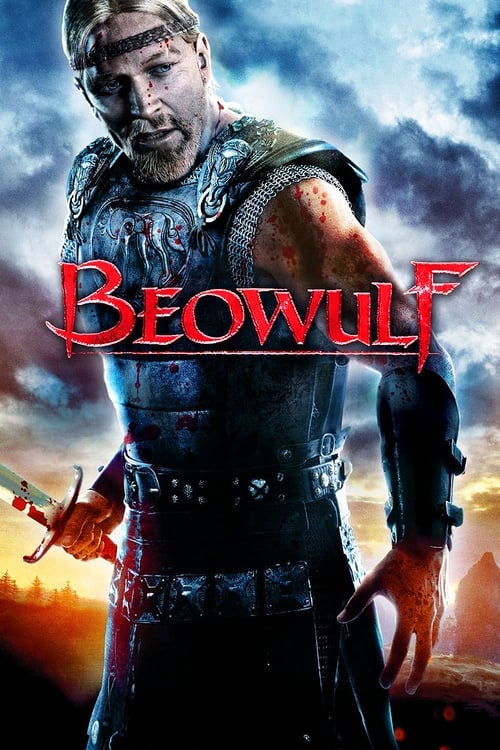
Beowulf
The warrior Beowulf must fight and defeat the monster Grendel, who is terrorizing Denmark, then Grendel's Mother, who begins killing out of revenge.
Despite a respectable budget of $70.0M, Beowulf became a financial success, earning $195.7M worldwide—a 180% return.
4 wins & 19 nominations


Plot Structure
Story beats plotted across runtime


Narrative Arc
Emotional journey through the story's key moments
Story Circle
Blueprint 15-beat structure
Characters
Cast & narrative archetypes

Beowulf
Grendel
King Hrothgar
Grendel's Mother
Wiglaf
Queen Wealtheow
Ursula
Unferth
Main Cast & Characters
Beowulf
Played by Ray Winstone
A legendary Geatish warrior who travels to Denmark to slay the monster Grendel and becomes King of the Danes. His pride and hidden sins ultimately lead to his downfall.
Grendel
Played by Crispin Glover
A tortured, deformed creature cursed by sound and human joy, who terrorizes Heorot. The misunderstood monster is revealed to be the son of Hrothgar.
King Hrothgar
Played by Anthony Hopkins
The aging, guilt-ridden King of the Danes who harbors a dark secret about Grendel's origins. His past sins haunt his kingdom.
Grendel's Mother
Played by Angelina Jolie
A seductive, shape-shifting demon who tempts heroes with promises of power and glory. She is the source of the curse that plagues the kingdom.
Wiglaf
Played by Brendan Gleeson
Beowulf's young, loyal lieutenant who narrates the tale and ultimately inherits the truth about his king's compromises. He represents the next generation of leadership.
Queen Wealtheow
Played by Robin Wright
Hrothgar's wise and dignified queen who sees through Beowulf's boasts and understands the cyclical nature of the curse.
Ursula
Played by Alison Lohman
Wealtheow's servant and confidante who becomes Beowulf's concubine after he becomes king. She bears witness to his troubled reign.
Unferth
Played by John Malkovich
Hrothgar's bitter, cynical advisor who initially challenges Beowulf's glory but later becomes disillusioned with heroism itself.
Structural Analysis
The Status Quo at 1 minutes (1% through the runtime) establishes Hrothgar's mead hall Heorot celebrates in drunken revelry. The Danes are shown as proud warriors, but the excessive celebration masks underlying weakness and moral corruption.. Notably, this early placement immediately immerses viewers in the story world.
The inciting incident occurs at 13 minutes when Beowulf arrives by ship with his Geatish warriors, responding to Hrothgar's need. He is introduced as a legendary hero who boasts he will kill Grendel, bringing hope to the despairing Danes.. At 12% through the film, this Disruption aligns precisely with traditional story structure. This beat shifts the emotional landscape, launching the protagonist into the central conflict.
The First Threshold at 28 minutes marks the transition into Act II, occurring at 25% of the runtime. This illustrates the protagonist's commitment to Beowulf chooses to face Grendel unarmed and naked in Heorot. The battle begins as Grendel attacks. This is Beowulf's active choice to enter the heroic confrontation that will define him., moving from reaction to action.
At 56 minutes, the Midpoint arrives at 49% of the runtime—precisely centered, creating perfect narrative symmetry. Notably, this crucial beat Beowulf enters Grendel's mother's underwater cave. Instead of killing her, he is seduced by her promise of power and glory. He makes a devil's bargain: she will give him a son who will become king if he gives her a new heir. This is a false victory—he lies about killing her., fundamentally raising what's at risk. The emotional intensity shifts, dividing the narrative into clear before-and-after phases.
The Collapse moment at 84 minutes (73% through) represents the emotional nadir. Here, The dragon destroys villages and kills Beowulf's warriors, including his most loyal companion. Beowulf realizes the dragon is his own son, the consequence of his ancient sin. His legacy is built on a lie, and everything he built is threatened by his own shame., indicates the protagonist at their lowest point. This beat's placement in the final quarter sets up the climactic reversal.
The Second Threshold at 92 minutes initiates the final act resolution at 80% of the runtime. Beowulf accepts he must face the dragon (his son) and end the cycle of lies and sin. He reclaims his identity as a true hero not by hiding from his shame, but by sacrificing himself to right his wrong. He chooses redemption through death., demonstrating the transformation achieved throughout the journey.
Emotional Journey
Beowulf's emotional architecture traces a deliberate progression across 15 carefully calibrated beats.
Narrative Framework
This structural analysis employs a 15-point narrative structure framework that maps key story moments. By mapping Beowulf against these established plot points, we can identify how Robert Zemeckis utilizes or subverts traditional narrative conventions. The plot point approach reveals not only adherence to structural principles but also creative choices that distinguish Beowulf within the animation genre.
Robert Zemeckis's Structural Approach
Among the 20 Robert Zemeckis films analyzed on Arcplot, the average structural score is 6.9, demonstrating varied approaches to story architecture. Beowulf exemplifies the director's characteristic narrative technique. For comparative analysis, explore the complete Robert Zemeckis filmography.
Comparative Analysis
Additional animation films include The Bad Guys, Puss in Boots and Violet Evergarden: Eternity and the Auto Memory Doll. For more Robert Zemeckis analyses, see Who Framed Roger Rabbit, Welcome to Marwen and Contact.
Plot Points by Act
Act I
SetupStatus Quo
Hrothgar's mead hall Heorot celebrates in drunken revelry. The Danes are shown as proud warriors, but the excessive celebration masks underlying weakness and moral corruption.
Theme
Hrothgar drunkenly declares "I am Hrothgar!" and boasts of his power. The theme of pride, legacy, and the sins of fathers is established through his arrogant displays that will summon Grendel.
Worldbuilding
Grendel attacks Heorot in response to the noise, brutally slaughtering Hrothgar's warriors. The kingdom's inability to stop the monster is established. Hrothgar appears powerless and tormented by guilt. The call goes out across the sea for a hero.
Disruption
Beowulf arrives by ship with his Geatish warriors, responding to Hrothgar's need. He is introduced as a legendary hero who boasts he will kill Grendel, bringing hope to the despairing Danes.
Resistance
Beowulf meets Hrothgar and the court. Unferth challenges Beowulf's credentials, but Beowulf recounts his legendary deeds. Wealtheow, the queen, is introduced. Beowulf prepares for battle, stripping naked to fight Grendel without weapons as Grendel uses none.
Act II
ConfrontationFirst Threshold
Beowulf chooses to face Grendel unarmed and naked in Heorot. The battle begins as Grendel attacks. This is Beowulf's active choice to enter the heroic confrontation that will define him.
Mirror World
Wealtheow tends to Beowulf after the battle with Grendel. Her grace and nobility contrast with Hrothgar's corruption. She represents the thematic purity that Beowulf should aspire to, but will ultimately betray.
Premise
Beowulf defeats and mortally wounds Grendel. Celebration ensues as Beowulf is hailed as a hero. Hrothgar gives Beowulf a golden horn and riches. However, Grendel's mother arrives seeking revenge, attacking the hall and killing Hrothgar's closest friend Unferth. Beowulf volunteers to track her to her lair.
Midpoint
Beowulf enters Grendel's mother's underwater cave. Instead of killing her, he is seduced by her promise of power and glory. He makes a devil's bargain: she will give him a son who will become king if he gives her a new heir. This is a false victory—he lies about killing her.
Opposition
Beowulf returns claiming victory and is celebrated. Hrothgar knows the truth and commits suicide, making Beowulf king. Beowulf marries Wealtheow but their marriage is barren. Years pass; Beowulf becomes the aging king he once judged. His lies and sins manifest as a dragon (his son by Grendel's mother) that begins terrorizing the kingdom.
Collapse
The dragon destroys villages and kills Beowulf's warriors, including his most loyal companion. Beowulf realizes the dragon is his own son, the consequence of his ancient sin. His legacy is built on a lie, and everything he built is threatened by his own shame.
Crisis
Beowulf confronts the truth about himself. Wiglaf discovers the golden horn in the dragon's hoard, exposing Beowulf's ancient lie. Beowulf confesses to Wealtheow the truth about his deal with Grendel's mother. He faces his mortality and the hollowness of his glory.
Act III
ResolutionSecond Threshold
Beowulf accepts he must face the dragon (his son) and end the cycle of lies and sin. He reclaims his identity as a true hero not by hiding from his shame, but by sacrificing himself to right his wrong. He chooses redemption through death.
Synthesis
Beowulf battles the dragon in an epic final confrontation. He rips out the dragon's heart, killing his son, but is mortally wounded. As he dies, he tells Wiglaf to be a better king than he was and to break the cycle. Beowulf dies a true hero, having faced his sins.
Transformation
Beowulf's funeral pyre. Wiglaf is now king. Grendel's mother emerges from the sea, attempting to seduce Wiglaf with the same bargain. The final image suggests the cycle may continue—transformation achieved for Beowulf through death, but ambiguous for the kingdom.