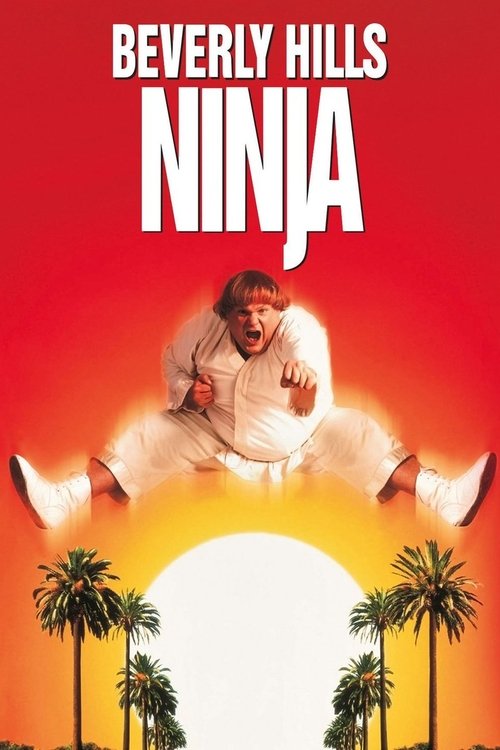
Beverly Hills Ninja
Haru, an orphaned American who washes ashore in Japan and is mistaken for the great White Ninja of legend. Raised among the finest Ninjas, Haru grows strong and big - very big. With the grace of all Three Stooges rolled into one body, Haru is an embarrassment to his clan. But when a beautiful blonde pleads for his help, Haru is given one dangerous, disastrously funny chance to prove himself.
Working with a respectable budget of $18.0M, the film achieved a respectable showing with $31.5M in global revenue (+75% profit margin).


Plot Structure
Story beats plotted across runtime


Narrative Arc
Emotional journey through the story's key moments
Story Circle
Blueprint 15-beat structure
Arcplot Score Breakdown
Weighted: Precision (70%) + Arc (15%) + Theme (15%)
Beverly Hills Ninja (1997) exhibits carefully calibrated narrative design, characteristic of Dennis Dugan's storytelling approach. This structural analysis examines how the film's 15-point plot structure maps to proven narrative frameworks across 1 hour and 28 minutes. With an Arcplot score of 7.2, the film balances conventional beats with creative variation.
Characters
Cast & narrative archetypes

Haru
Alison Page
Gobei
Sensei
Martin Tanley
Joey Washington
Main Cast & Characters
Haru
Played by Chris Farley
An orphaned white baby raised by Japanese ninjas who grows into a clumsy, well-meaning warrior with a heart of gold but lacking traditional ninja skills.
Alison Page
Played by Nicollette Sheridan
A beautiful woman who seeks the ninjas' help to investigate her boyfriend's criminal activities, becoming Haru's love interest and mission focus.
Gobei
Played by Robin Shou
Haru's adoptive brother and a skilled, serious ninja who reluctantly accompanies Haru to America to keep him safe.
Sensei
Played by Soon-Tek Oh
The wise master of the ninja clan who found baby Haru and trained him, believing he may be the Great White Ninja of prophecy.
Martin Tanley
Played by Nathaniel Parker
A ruthless counterfeiter and crime boss who is Alison's boyfriend and the main antagonist of the film.
Joey Washington
Played by Chris Rock
Haru's friendly hustler acquaintance in Beverly Hills who helps him navigate American culture and provides comic support.
Structural Analysis
The Status Quo at 1 minutes (1% through the runtime) establishes Baby Haru washes ashore at a Japanese ninja clan. The masters discover him and decide to raise him as one of their own, despite his obvious Western origins.. Of particular interest, this early placement immediately immerses viewers in the story world.
The inciting incident occurs at 9 minutes when Allison Page, a beautiful woman from Beverly Hills, arrives at the temple seeking help. She claims someone is trying to kill her, and she needs ninja protection. Haru is smitten instantly.. At 10% through the film, this Disruption aligns precisely with traditional story structure. This beat shifts the emotional landscape, launching the protagonist into the central conflict.
The First Threshold at 21 minutes marks the transition into Act II, occurring at 24% of the runtime. This illustrates the protagonist's commitment to Haru defies Sensei and sneaks away from the temple, traveling to Beverly Hills to protect Allison himself. He actively chooses to pursue the mission despite being forbidden, leaving behind the only world he's known., moving from reaction to action.
At 42 minutes, the Midpoint arrives at 48% of the runtime—precisely centered, creating perfect narrative symmetry. The analysis reveals that this crucial beat Haru discovers crucial evidence about the counterfeiting ring and believes he's close to solving the case. He shares a romantic moment with Allison, and for the first time feels like a successful ninja. False victory - he thinks he's got everything figured out., fundamentally raising what's at risk. The emotional intensity shifts, dividing the narrative into clear before-and-after phases.
The Collapse moment at 63 minutes (71% through) represents the emotional nadir. Here, Haru is captured and beaten by the criminals. Gobei is seriously wounded trying to save him. Haru's incompetence has caused his brother's injury, and Allison is kidnapped. His dream of being a hero has led to disaster. Everything falls apart and Haru hits rock bottom., illustrates the protagonist at their lowest point. This beat's placement in the final quarter sets up the climactic reversal.
The Second Threshold at 69 minutes initiates the final act resolution at 78% of the runtime. Haru realizes that his heart and determination matter more than perfect technique. Gobei tells him to trust himself. Haru synthesizes his unorthodox style with true ninja spirit, gaining clarity that he doesn't need to be a perfect ninja - he needs to be himself with courage., demonstrating the transformation achieved throughout the journey.
Emotional Journey
Beverly Hills Ninja's emotional architecture traces a deliberate progression across 15 carefully calibrated beats.
Narrative Framework
This structural analysis employs systematic plot point analysis that identifies crucial turning points. By mapping Beverly Hills Ninja against these established plot points, we can identify how Dennis Dugan utilizes or subverts traditional narrative conventions. The plot point approach reveals not only adherence to structural principles but also creative choices that distinguish Beverly Hills Ninja within the comedy genre.
Dennis Dugan's Structural Approach
Among the 13 Dennis Dugan films analyzed on Arcplot, the average structural score is 7.3, reflecting strong command of classical structure. Beverly Hills Ninja takes a more unconventional approach compared to the director's typical style. For comparative analysis, explore the complete Dennis Dugan filmography.
Comparative Analysis
Additional comedy films include The Bad Guys, Ella Enchanted and The Evening Star. For more Dennis Dugan analyses, see Jack and Jill, Grown Ups 2 and Grown Ups.
Plot Points by Act
Act I
SetupStatus Quo
Baby Haru washes ashore at a Japanese ninja clan. The masters discover him and decide to raise him as one of their own, despite his obvious Western origins.
Theme
Sensei tells young Haru: "A true ninja is not measured by his size or his strength, but by his heart and his spirit." This theme of inner worth versus external competence will define Haru's journey.
Worldbuilding
Adult Haru is revealed as a bumbling, overweight ninja who fails every test and training exercise. Despite decades of training, he remains incompetent while his adopted brother Gobei excels. The clan tolerates him out of love but doesn't trust him with real missions.
Disruption
Allison Page, a beautiful woman from Beverly Hills, arrives at the temple seeking help. She claims someone is trying to kill her, and she needs ninja protection. Haru is smitten instantly.
Resistance
Haru desperately wants to take the mission and prove himself, but Sensei assigns Gobei instead. Haru debates sneaking away to help Allison. Gobei begins investigating in Beverly Hills while Haru sulks at the temple, ultimately deciding he must follow his heart.
Act II
ConfrontationFirst Threshold
Haru defies Sensei and sneaks away from the temple, traveling to Beverly Hills to protect Allison himself. He actively chooses to pursue the mission despite being forbidden, leaving behind the only world he's known.
Mirror World
Haru arrives in Beverly Hills and reunites with Allison, who is relieved to have protection. She represents the world that might accept him for who he is rather than judging him for his ninja failures. Their relationship begins to develop.
Premise
Fish-out-of-water comedy as Haru attempts to be a ninja in Beverly Hills. He bumbles through surveillance, breaks things, misunderstands American culture, but somehow stumbles into actually helping Allison. He investigates her case while falling for her, accidentally succeeding through sheer luck despite his incompetence.
Midpoint
Haru discovers crucial evidence about the counterfeiting ring and believes he's close to solving the case. He shares a romantic moment with Allison, and for the first time feels like a successful ninja. False victory - he thinks he's got everything figured out.
Opposition
The criminals realize Haru is investigating and become more dangerous. Gobei arrives and is disappointed in Haru's unauthorized mission. Haru's incompetence creates bigger problems - he's captured, nearly killed multiple times, and his bungling puts Allison in greater danger. The bad guys close in.
Collapse
Haru is captured and beaten by the criminals. Gobei is seriously wounded trying to save him. Haru's incompetence has caused his brother's injury, and Allison is kidnapped. His dream of being a hero has led to disaster. Everything falls apart and Haru hits rock bottom.
Crisis
Haru faces his deepest shame and inadequacy. He must decide whether to give up and return home in disgrace, or find a way to save Allison despite his limitations. He processes his failure and begins to understand what Sensei meant about heart and spirit.
Act III
ResolutionSecond Threshold
Haru realizes that his heart and determination matter more than perfect technique. Gobei tells him to trust himself. Haru synthesizes his unorthodox style with true ninja spirit, gaining clarity that he doesn't need to be a perfect ninja - he needs to be himself with courage.
Synthesis
Haru storms the villain's lair using his unique combination of luck, heart, and unconventional tactics. He fights through henchmen, rescues Allison, and defeats the main villain. His bumbling style actually works when combined with genuine courage. He completes his hero's journey on his own terms.
Transformation
Haru returns to the temple victorious. Sensei welcomes him with pride, acknowledging that Haru has become a true ninja by following his heart. Haru has transformed from seeking external validation to finding internal worth. He earned respect by being authentically himself.