
Bicycle Thieves
Antonio Ricci, an unemployed man in the depressed post-WWII economy of Italy, finally gets a job hanging up posters, but he needs a bicycle. But when his bicycle is stolen,, he and son walk the streets of Rome looking for it. Antonio finally manages to locate the thief, but with no proof he must abandon his cause. But he and his son know perfectly well that without a bike, Antonio won't be able to keep his job.
Despite its extremely modest budget of $133K, Bicycle Thieves became a box office success, earning $450K worldwide—a 238% return. The film's fresh perspective attracted moviegoers, illustrating how strong storytelling can transcend budget limitations.
Nominated for 1 Oscar. 18 wins & 1 nomination


Plot Structure
Story beats plotted across runtime


Narrative Arc
Emotional journey through the story's key moments
Story Circle
Blueprint 15-beat structure
Arcplot Score Breakdown
Weighted: Precision (70%) + Arc (15%) + Theme (15%)
Bicycle Thieves (1948) demonstrates strategically placed story structure, characteristic of Vittorio De Sica's storytelling approach. This structural analysis examines how the film's 15-point plot structure maps to proven narrative frameworks across 1 hour and 29 minutes. With an Arcplot score of 3.5, the film takes an unconventional approach to traditional narrative frameworks.
Characters
Cast & narrative archetypes
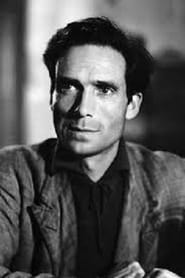
Antonio Ricci
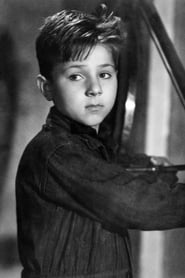
Bruno Ricci

Maria Ricci
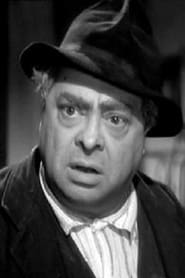
Baiocco
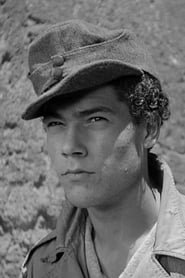
The Thief
Main Cast & Characters
Antonio Ricci
Played by Lamberto Maggiorani
An unemployed worker in post-war Rome who desperately needs his stolen bicycle to keep his job putting up posters. A devoted father struggling to provide for his family.
Bruno Ricci
Played by Enzo Staiola
Antonio's young son who accompanies him on the search for the stolen bicycle. Mature beyond his years, loyal and observant.
Maria Ricci
Played by Lianella Carell
Antonio's wife who pawns their wedding sheets to get his bicycle out of hock. Faithful and resourceful despite their poverty.
Baiocco
Played by Gino Saltamerenda
Antonio's friend and fellow worker who helps him search for the bicycle. Well-meaning but ultimately ineffective.
The Thief
Played by Vittorio Antonucci
The young man who steals Antonio's bicycle, living in poverty himself in a poor neighborhood. Protected by his community.
Structural Analysis
The Status Quo at 1 minutes (1% through the runtime) establishes Unemployed men crowd around a government employment office in post-war Rome, desperately waiting for work. Antonio Ricci is among them, representing the masses of struggling workers in a broken economy.. The analysis reveals that this early placement immediately immerses viewers in the story world.
The inciting incident occurs at 10 minutes when While Antonio posts a Rita Hayworth film poster on his first day of work, a young man steals his bicycle. Antonio gives chase but the thief escapes. His livelihood vanishes in seconds.. At 12% through the film, this Disruption aligns precisely with traditional story structure. This beat shifts the emotional landscape, launching the protagonist into the central conflict.
The First Threshold at 21 minutes marks the transition into Act II, occurring at 23% of the runtime. This shows the protagonist's commitment to Antonio and young Bruno set out together at dawn to systematically search Rome's markets for the stolen bicycle. Father and son commit to the quest, entering a desperate odyssey through the city., moving from reaction to action.
At 40 minutes, the Midpoint arrives at 45% of the runtime—arriving early, accelerating into Act IIb complications. Of particular interest, this crucial beat Antonio spots the thief talking to an old man in the street. He finally has a concrete lead and confronts the old man, who flees into a church. The hunt shifts from abstract searching to pursuing actual suspects., fundamentally raising what's at risk. The emotional intensity shifts, dividing the narrative into clear before-and-after phases.
The Collapse moment at 60 minutes (68% through) represents the emotional nadir. Here, Antonio slaps Bruno in frustration after the confrontation fails. The boy runs away crying. Antonio realizes he has hurt his innocent son—the one pure thing in his life. He has begun to destroy what matters most., shows the protagonist at their lowest point. This beat's placement in the final quarter sets up the climactic reversal.
The Second Threshold at 66 minutes initiates the final act resolution at 74% of the runtime. Leaving the restaurant, Antonio sees a bicycle unattended outside a building. After a moment of agonized hesitation, he sends Bruno away on a tram and decides to steal it himself. He chooses to become a thief., demonstrating the transformation achieved throughout the journey.
Emotional Journey
Bicycle Thieves's emotional architecture traces a deliberate progression across 15 carefully calibrated beats.
Narrative Framework
This structural analysis employs proven narrative structure principles that track dramatic progression. By mapping Bicycle Thieves against these established plot points, we can identify how Vittorio De Sica utilizes or subverts traditional narrative conventions. The plot point approach reveals not only adherence to structural principles but also creative choices that distinguish Bicycle Thieves within the drama genre.
Vittorio De Sica's Structural Approach
Among the 2 Vittorio De Sica films analyzed on Arcplot, the average structural score is 5.2, showcasing experimental approaches to narrative form. Bicycle Thieves takes a more unconventional approach compared to the director's typical style. For comparative analysis, explore the complete Vittorio De Sica filmography.
Comparative Analysis
Additional drama films include After Thomas, South Pacific and Dirty Dancing: Havana Nights. For more Vittorio De Sica analyses, see Marriage Italian Style.
Plot Points by Act
Act I
SetupStatus Quo
Unemployed men crowd around a government employment office in post-war Rome, desperately waiting for work. Antonio Ricci is among them, representing the masses of struggling workers in a broken economy.
Theme
The employment officer tells Antonio he must have a bicycle to take the job posting bills. "No bicycle, no job." This establishes the brutal transactional nature of survival where one object determines a family's fate.
Worldbuilding
We witness the Ricci family's poverty: Maria pawns their bed linens to retrieve the bicycle from the pawnshop. The massive warehouse of pawned goods reveals the scope of Rome's desperation. Antonio's first day at work shows his pride in finally having employment.
Disruption
While Antonio posts a Rita Hayworth film poster on his first day of work, a young man steals his bicycle. Antonio gives chase but the thief escapes. His livelihood vanishes in seconds.
Resistance
Antonio reports the theft to indifferent police who offer no help. His friend Baiocco advises him to search the Piazza Vittorio market and the Porta Portese flea market. Antonio debates whether the search is futile, but decides he must try for his family's sake.
Act II
ConfrontationFirst Threshold
Antonio and young Bruno set out together at dawn to systematically search Rome's markets for the stolen bicycle. Father and son commit to the quest, entering a desperate odyssey through the city.
Mirror World
Bruno walks alongside his father through the rain-soaked markets, carrying supplies and keeping watch. The boy's earnest dedication mirrors and reflects Antonio's struggle, making him both helper and witness to his father's mounting desperation.
Premise
The search through Rome becomes an odyssey: checking parts at Piazza Vittorio, questioning an old man at a church soup kitchen, visiting a fortune teller for guidance. Each lead brings hope then disappointment. The city itself becomes a labyrinth of false promises.
Midpoint
Antonio spots the thief talking to an old man in the street. He finally has a concrete lead and confronts the old man, who flees into a church. The hunt shifts from abstract searching to pursuing actual suspects.
Opposition
Antonio tracks the thief to his neighborhood but faces a hostile community protecting their own. The thief feigns an epileptic seizure. Police search his home but find nothing. Without evidence, Antonio is powerless. The system that failed to protect him now protects the criminal.
Collapse
Antonio slaps Bruno in frustration after the confrontation fails. The boy runs away crying. Antonio realizes he has hurt his innocent son—the one pure thing in his life. He has begun to destroy what matters most.
Crisis
Antonio searches frantically for Bruno, fearing the boy has drowned when he sees a crowd by the river. Finding Bruno safe, he takes him to a restaurant, spending money they cannot afford in a gesture of guilty reconciliation. They watch wealthy families dine, their class divide made painfully visible.
Act III
ResolutionSecond Threshold
Leaving the restaurant, Antonio sees a bicycle unattended outside a building. After a moment of agonized hesitation, he sends Bruno away on a tram and decides to steal it himself. He chooses to become a thief.
Synthesis
Antonio grabs the bicycle and pedals away but is immediately caught by witnesses who beat him and drag him to the owner. Bruno, having missed the tram, watches his father's humiliation. The owner, seeing the crying child, chooses not to press charges and releases Antonio.
Transformation
Antonio and Bruno walk away into the crowd, holding hands, both weeping. The father who began the day as a victim ends it as a failed thief, his dignity destroyed before his son's eyes. They disappear into the anonymous masses of Rome's poor.