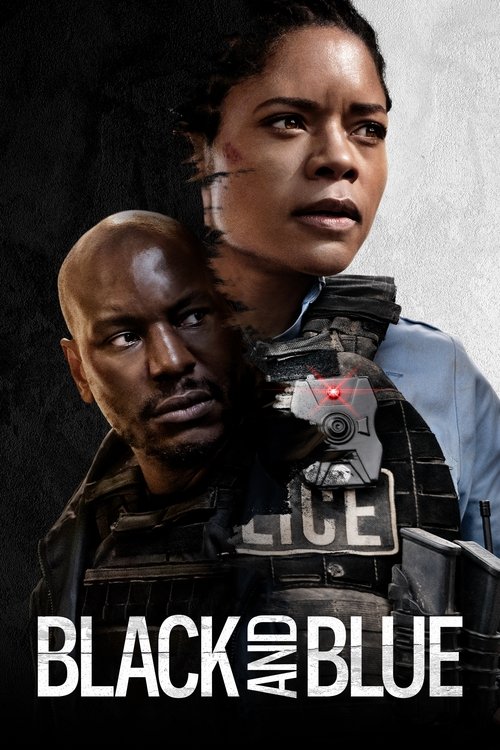
Black and Blue
A rookie cop inadvertently captures the murder of a young drug dealer on her body cam. After realizing that the murder was committed by corrupt cops, she teams up with the one person from her community who is willing to help her as she tries to escape both the criminals out for revenge and the police who are desperate to destroy the incriminating footage.
Working with a small-scale budget of $12.0M, the film achieved a modest success with $22.7M in global revenue (+90% profit margin).
1 win & 2 nominations


Plot Structure
Story beats plotted across runtime


Narrative Arc
Emotional journey through the story's key moments
Story Circle
Blueprint 15-beat structure
Arcplot Score Breakdown
Weighted: Precision (70%) + Arc (15%) + Theme (15%)
Black and Blue (2019) reveals strategically placed narrative design, characteristic of Deon Taylor's storytelling approach. This structural analysis examines how the film's 15-point plot structure maps to proven narrative frameworks across 1 hour and 49 minutes. With an Arcplot score of 6.7, the film balances conventional beats with creative variation.
Characters
Cast & narrative archetypes

Alicia West
Mouse
Terry Malone
Darius
Smitty
Detective Lue
Main Cast & Characters
Alicia West
Played by Naomie Harris
A rookie New Orleans police officer who witnesses corrupt cops commit murder and goes on the run with incriminating bodycam footage.
Mouse
Played by Tyrese Gibson
A convenience store clerk and community figure who reluctantly helps Alicia survive the night in his old neighborhood.
Terry Malone
Played by Frank Grillo
A corrupt detective and Alicia's former training officer who leads the hunt to silence her and destroy the evidence.
Darius
Played by Mike Colter
A local drug dealer who controls the neighborhood and initially sees Alicia as a threat but becomes an unlikely ally.
Smitty
Played by Reid Scott
A corrupt cop and Terry's partner who participates in the cover-up and hunting Alicia.
Detective Lue
Played by Nafessa Williams
A by-the-book homicide detective investigating the murders who becomes suspicious of the corruption.
Structural Analysis
The Status Quo at 1 minutes (1% through the runtime) establishes Alicia West arrives for her first day as a rookie cop in New Orleans, eager to make a difference but visibly out of place in her own community.. Of particular interest, this early placement immediately immerses viewers in the story world.
The inciting incident occurs at 14 minutes when Alicia witnesses her partner and other cops execute unarmed drug dealers in cold blood. Her body camera captures the entire murder, making her the only witness with evidence.. At 12% through the film, this Disruption aligns precisely with traditional story structure. This beat shifts the emotional landscape, launching the protagonist into the central conflict.
The First Threshold at 27 minutes marks the transition into Act II, occurring at 25% of the runtime. This indicates the protagonist's commitment to Alicia makes the active choice to survive and expose the corruption rather than surrender. She commits to making it to a safe location to upload the footage, entering a deadly cat-and-mouse game., moving from reaction to action.
At 54 minutes, the Midpoint arrives at 50% of the runtime—precisely centered, creating perfect narrative symmetry. Notably, this crucial beat The corrupt cops publicly frame Alicia as a cop killer, turning the entire city against her. What seemed like a problem of staying hidden becomes exponentially worse as both law enforcement and the community now actively hunt her., fundamentally raising what's at risk. The emotional intensity shifts, dividing the narrative into clear before-and-after phases.
The Collapse moment at 81 minutes (74% through) represents the emotional nadir. Here, Mouse is shot protecting Alicia, and she believes she's lost her only ally and caused the death of an innocent man. The weight of deaths on both sides because of her footage crushes her spirit., indicates the protagonist at their lowest point. This beat's placement in the final quarter sets up the climactic reversal.
The Second Threshold at 87 minutes initiates the final act resolution at 80% of the runtime. Alicia receives help from an unexpected source or discovers Mouse survived, giving her renewed purpose. She synthesizes her identity as both a cop and a community member, realizing she must finish what she started to honor those who helped her., demonstrating the transformation achieved throughout the journey.
Emotional Journey
Black and Blue's emotional architecture traces a deliberate progression across 15 carefully calibrated beats.
Narrative Framework
This structural analysis employs structural analysis methodology used to understand storytelling architecture. By mapping Black and Blue against these established plot points, we can identify how Deon Taylor utilizes or subverts traditional narrative conventions. The plot point approach reveals not only adherence to structural principles but also creative choices that distinguish Black and Blue within the action genre.
Deon Taylor's Structural Approach
Among the 4 Deon Taylor films analyzed on Arcplot, the average structural score is 7.3, reflecting strong command of classical structure. Black and Blue takes a more unconventional approach compared to the director's typical style. For comparative analysis, explore the complete Deon Taylor filmography.
Comparative Analysis
Additional action films include The Bad Guys, Puss in Boots and Venom: The Last Dance. For more Deon Taylor analyses, see The Intruder, Meet the Blacks and Traffik.
Plot Points by Act
Act I
SetupStatus Quo
Alicia West arrives for her first day as a rookie cop in New Orleans, eager to make a difference but visibly out of place in her own community.
Theme
A fellow officer or community member warns Alicia about the thin blue line and where her loyalties should lie, foreshadowing her impossible choice between duty and justice.
Worldbuilding
Alicia navigates her first days on the force, facing distrust from both the community she came from and some fellow officers. We see the tension between police and the neighborhood, her strained relationship with her partner, and the systemic corruption hints.
Disruption
Alicia witnesses her partner and other cops execute unarmed drug dealers in cold blood. Her body camera captures the entire murder, making her the only witness with evidence.
Resistance
Alicia tries to report the murder but realizes the corrupt cops know about the footage. She goes on the run as both dirty cops and gang members hunt her. She struggles with whom to trust and debates turning herself in versus exposing the truth.
Act II
ConfrontationFirst Threshold
Alicia makes the active choice to survive and expose the corruption rather than surrender. She commits to making it to a safe location to upload the footage, entering a deadly cat-and-mouse game.
Mirror World
Alicia encounters Milo "Mouse" Jackson, a convenience store owner from her old neighborhood who reluctantly helps her despite his distrust of police. He represents the community perspective she must reconcile with.
Premise
Alicia and Mouse navigate the dangerous streets together, evading corrupt cops and gang members. The premise delivers on the promise of a tense urban thriller as they move through the neighborhood, with Alicia trying to find safe harbor while the body camera footage becomes increasingly valuable.
Midpoint
The corrupt cops publicly frame Alicia as a cop killer, turning the entire city against her. What seemed like a problem of staying hidden becomes exponentially worse as both law enforcement and the community now actively hunt her.
Opposition
The walls close in as Alicia and Mouse face increasing danger from all sides. Trust becomes scarce, safe houses are compromised, and attempts to reach allies fail. The corrupt cops demonstrate their reach and willingness to kill anyone who helps her.
Collapse
Mouse is shot protecting Alicia, and she believes she's lost her only ally and caused the death of an innocent man. The weight of deaths on both sides because of her footage crushes her spirit.
Crisis
Alicia faces her dark night, questioning whether the footage is worth all the death and destruction. She processes the cost of her choice and contemplates giving up or destroying the evidence.
Act III
ResolutionSecond Threshold
Alicia receives help from an unexpected source or discovers Mouse survived, giving her renewed purpose. She synthesizes her identity as both a cop and a community member, realizing she must finish what she started to honor those who helped her.
Synthesis
Alicia executes her final plan to expose the corrupt cops and upload the footage. She confronts the dirty officers in a tense finale, using both her training and street knowledge. The truth is revealed and justice is served, though at great cost.
Transformation
Alicia, no longer the naive rookie, has earned respect from her community through her courage and sacrifice. She stands as a transformed figure who bridged two worlds and chose justice over loyalty to a corrupt system.