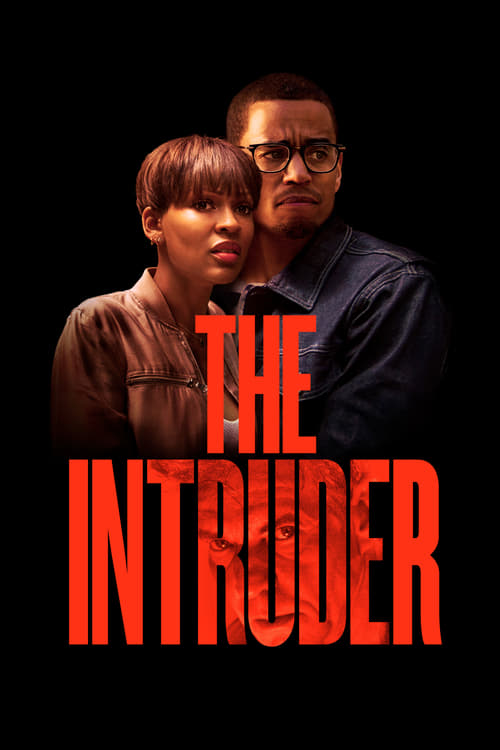
The Intruder
A psychological thriller about a young married couple who buys a beautiful Napa Valley house on several acres of land only to find that the man they bought it from refuses to let go of the property.
Despite its limited budget of $8.0M, The Intruder became a solid performer, earning $40.6M worldwide—a 408% return. The film's distinctive approach connected with viewers, illustrating how strong storytelling can transcend budget limitations.


Plot Structure
Story beats plotted across runtime


Narrative Arc
Emotional journey through the story's key moments
Story Circle
Blueprint 15-beat structure
Arcplot Score Breakdown
Weighted: Precision (70%) + Arc (15%) + Theme (15%)
The Intruder (2019) reveals meticulously timed story structure, characteristic of Deon Taylor's storytelling approach. This structural analysis examines how the film's 15-point plot structure maps to proven narrative frameworks across 1 hour and 42 minutes. With an Arcplot score of 7.7, the film showcases strong structural fundamentals.
Structural Analysis
The Status Quo at 1 minutes (1% through the runtime) establishes Scott and Annie Howard are a successful young couple in San Francisco celebrating their new life together. They're happily married, financially secure, and ready for their next chapter.. Structural examination shows that this early placement immediately immerses viewers in the story world.
The inciting incident occurs at 13 minutes when Scott and Annie close on the house and move in, but Charlie immediately begins showing up unannounced, refusing to respect boundaries and acting as if he still owns the property.. At 13% through the film, this Disruption is delayed, allowing extended setup of the story world. This beat shifts the emotional landscape, launching the protagonist into the central conflict.
The First Threshold at 26 minutes marks the transition into Act II, occurring at 25% of the runtime. This shows the protagonist's commitment to Scott directly confronts Charlie and asks him to stop coming to the property. This active decision to set boundaries marks their entry into conflict with Charlie, who becomes defensive and resentful., moving from reaction to action.
At 51 minutes, the Midpoint arrives at 50% of the runtime—precisely centered, creating perfect narrative symmetry. The analysis reveals that this crucial beat Scott discovers that Charlie's wife and daughter didn't just leave him—something more sinister happened to them. Charlie's true dangerous nature is revealed, raising the stakes from uncomfortable encounters to genuine life-threatening danger., fundamentally raising what's at risk. The emotional intensity shifts, dividing the narrative into clear before-and-after phases.
The Collapse moment at 77 minutes (75% through) represents the emotional nadir. Here, Charlie orchestrates Scott's car accident, nearly killing him. Scott ends up hospitalized and helpless while Charlie has full access to Annie at the house. This is the darkest moment—Scott has lost the ability to protect his wife., shows the protagonist at their lowest point. This beat's placement in the final quarter sets up the climactic reversal.
The Second Threshold at 82 minutes initiates the final act resolution at 80% of the runtime. Annie fully realizes Charlie's dangerous obsession when he makes his intentions clear. She understands she must fight for her life. Scott escapes the hospital to race home. Both commit to stopping Charlie no matter the cost., demonstrating the transformation achieved throughout the journey.
Emotional Journey
The Intruder's emotional architecture traces a deliberate progression across 15 carefully calibrated beats.
Narrative Framework
This structural analysis employs systematic plot point analysis that identifies crucial turning points. By mapping The Intruder against these established plot points, we can identify how Deon Taylor utilizes or subverts traditional narrative conventions. The plot point approach reveals not only adherence to structural principles but also creative choices that distinguish The Intruder within the thriller genre.
Deon Taylor's Structural Approach
Among the 4 Deon Taylor films analyzed on Arcplot, the average structural score is 7.3, reflecting strong command of classical structure. The Intruder represents one of the director's most structurally precise works. For comparative analysis, explore the complete Deon Taylor filmography.
Comparative Analysis
Additional thriller films include The Warriors, Thunderball and Rustom. For more Deon Taylor analyses, see Black and Blue, Meet the Blacks and Traffik.
Plot Points by Act
Act I
SetupStatus Quo
Scott and Annie Howard are a successful young couple in San Francisco celebrating their new life together. They're happily married, financially secure, and ready for their next chapter.
Theme
Charlie Peck tells Scott and Annie "This house has been my whole life" when showing them the property, establishing the theme of obsessive attachment and inability to let go of the past.
Worldbuilding
Scott and Annie tour Charlie's beautiful Napa Valley estate and fall in love with it. Charlie seems charming but slightly odd. They decide to buy the house despite some reservations about Charlie's attachment to it. Their friends express concerns.
Disruption
Scott and Annie close on the house and move in, but Charlie immediately begins showing up unannounced, refusing to respect boundaries and acting as if he still owns the property.
Resistance
Scott grows increasingly suspicious of Charlie's behavior while Annie tries to be neighborly. Charlie continues inserting himself into their lives, doing repairs uninvited, and displaying possessive behavior. Scott debates how to handle the situation without seeming paranoid.
Act II
ConfrontationFirst Threshold
Scott directly confronts Charlie and asks him to stop coming to the property. This active decision to set boundaries marks their entry into conflict with Charlie, who becomes defensive and resentful.
Mirror World
Annie confides in her friend Rachel about the situation with Charlie. This relationship provides a thematic counterpoint as Rachel warns Annie about the danger, while Annie's desire to see the good in people conflicts with the reality of Charlie's obsession.
Premise
The psychological thriller escalates as Charlie's behavior becomes increasingly disturbing. He watches them, manipulates Annie, shows jealousy toward Scott, and reveals dark hints about his past. Scott investigates Charlie's background and discovers troubling information.
Midpoint
Scott discovers that Charlie's wife and daughter didn't just leave him—something more sinister happened to them. Charlie's true dangerous nature is revealed, raising the stakes from uncomfortable encounters to genuine life-threatening danger.
Opposition
Charlie becomes openly threatening. He sabotages Scott's life, turns Annie against him, and demonstrates he won't let them have the house. Scott's attempts to expose or stop Charlie backfire. Charlie's psychological manipulation intensifies as he isolates Annie.
Collapse
Charlie orchestrates Scott's car accident, nearly killing him. Scott ends up hospitalized and helpless while Charlie has full access to Annie at the house. This is the darkest moment—Scott has lost the ability to protect his wife.
Crisis
While Scott recovers in the hospital, he realizes the full extent of Charlie's plan and that Annie is in immediate danger. Annie, now alone at the house, begins to see through Charlie's facade and understand Scott was right all along.
Act III
ResolutionSecond Threshold
Annie fully realizes Charlie's dangerous obsession when he makes his intentions clear. She understands she must fight for her life. Scott escapes the hospital to race home. Both commit to stopping Charlie no matter the cost.
Synthesis
The final confrontation at the house. Charlie hunts Annie through the property while Scott fights to reach her. Annie uses her knowledge of the house and her inner strength to fight back. The couple works together to survive Charlie's violent assault.
Transformation
Scott and Annie stand together in front of their home, having survived Charlie and reclaimed their house and their safety. They're no longer naive about trusting strangers, but their bond is stronger having protected each other.