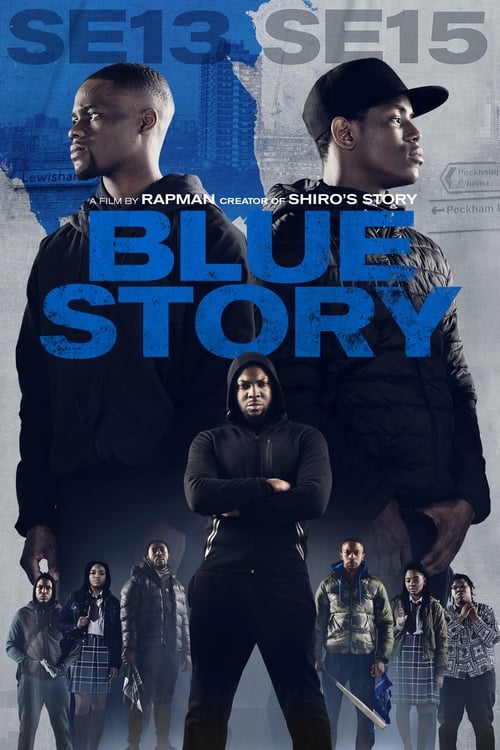
Blue Story
Blue Story is a tragic tale of a friendship between Timmy and Marco, two young boys from opposing postcodes. Timmy, a shy, smart, naive and timid young boy from Deptford, goes to school in Peckham where he strikes up a friendship with Marco, a charismatic, streetwise kid from the local area. Although from warring postcodes, the two quickly form a firm friendship until it is tested and they wind up on rival sides of a street war. Blue Story depicts elements of Rapman's own personal experiences and aspects of his childhood.
Despite its modest budget of $1.6M, Blue Story became a solid performer, earning $5.8M worldwide—a 259% return. The film's unconventional structure connected with viewers, showing that strong storytelling can transcend budget limitations.
2 wins & 14 nominations


Plot Structure
Story beats plotted across runtime


Narrative Arc
Emotional journey through the story's key moments
Story Circle
Blueprint 15-beat structure
Arcplot Score Breakdown
Weighted: Precision (70%) + Arc (15%) + Theme (15%)
Blue Story (2019) reveals carefully calibrated story structure, characteristic of Rapman's storytelling approach. This structural analysis examines how the film's 15-point plot structure maps to proven narrative frameworks across 1 hour and 31 minutes. With an Arcplot score of 7.2, the film balances conventional beats with creative variation.
Characters
Cast & narrative archetypes

Timmy
Marco
Leah
Killy
Madder
Switcher
Main Cast & Characters
Timmy
Played by Stephen Odubola
A talented student caught between friendship and gang rivalry in South London
Marco
Played by Micheal Ward
Timmy's childhood best friend from a rival postcode who becomes his enemy
Leah
Played by Khali Best
Timmy's girlfriend who tries to keep him away from gang violence
Killy
Played by Karla-Simone Spence
Timmy's close friend and fellow Peckham gang member
Madder
Played by Eric Kofi-Abrefa
Volatile Peckham gang member who escalates conflicts
Switcher
Played by Rohan Nedd
Marco's aggressive friend from Deptford gang
Structural Analysis
The Status Quo at 1 minutes (1% through the runtime) establishes Young Timmy and Marco meet as children, becoming instant best friends despite living in rival gang territories (Peckham and Deptford). Their innocent friendship represents hope before the violence takes hold.. Significantly, this early placement immediately immerses viewers in the story world.
The inciting incident occurs at 10 minutes when A violent incident occurs between the two gangs, creating pressure on Timmy and Marco's friendship. The abstract threat of gang violence becomes concrete and personal, forcing them to acknowledge they can't remain neutral.. At 11% through the film, this Disruption aligns precisely with traditional story structure. This beat shifts the emotional landscape, launching the protagonist into the central conflict.
The First Threshold at 22 minutes marks the transition into Act II, occurring at 24% of the runtime. This illustrates the protagonist's commitment to Timmy makes the choice to actively participate in the gang life to protect himself and his reputation in Peckham, crossing the line from innocent bystander to participant. This decision is irreversible and pulls him deeper into the conflict., moving from reaction to action.
At 45 minutes, the Midpoint arrives at 49% of the runtime—precisely centered, creating perfect narrative symmetry. Of particular interest, this crucial beat A major violent confrontation between Peckham and Deptford forces Timmy and Marco into direct opposition. False victory turns to defeat - what seemed like loyalty and strength is revealed as a trap. The stakes raise dramatically and the "game" becomes deadly serious., fundamentally raising what's at risk. The emotional intensity shifts, dividing the narrative into clear before-and-after phases.
The Collapse moment at 67 minutes (73% through) represents the emotional nadir. Here, Marco is killed in the gang violence, embodying the literal "whiff of death." Timmy's best friend - the relationship that represented hope and humanity - is destroyed by the very system Timmy participated in. Everything he fought for is ash., reveals the protagonist at their lowest point. This beat's placement in the final quarter sets up the climactic reversal.
The Second Threshold at 72 minutes initiates the final act resolution at 80% of the runtime. Timmy realizes that the only way to honor Marco and break the cycle is to reject the gang violence entirely, even if it means losing respect or facing danger. He synthesizes his love for his friend with the hard truth that revenge only perpetuates death., demonstrating the transformation achieved throughout the journey.
Emotional Journey
Blue Story's emotional architecture traces a deliberate progression across 15 carefully calibrated beats.
Narrative Framework
This structural analysis employs proven narrative structure principles that track dramatic progression. By mapping Blue Story against these established plot points, we can identify how Rapman utilizes or subverts traditional narrative conventions. The plot point approach reveals not only adherence to structural principles but also creative choices that distinguish Blue Story within the crime genre.
Comparative Analysis
Additional crime films include The Bad Guys, Rustom and The Whole Ten Yards.
Plot Points by Act
Act I
SetupStatus Quo
Young Timmy and Marco meet as children, becoming instant best friends despite living in rival gang territories (Peckham and Deptford). Their innocent friendship represents hope before the violence takes hold.
Theme
A teacher or elder warns about the cycle of violence in their community, stating that "the postcode war doesn't care about friendship" - establishing the central theme of how systemic violence destroys human connection.
Worldbuilding
Introduction to South London gang culture, the territorial divisions, Timmy's life in Peckham, Marco's connection to Deptford. We see their school life, family situations, and the ever-present threat of postcode rivalry that governs their world.
Disruption
A violent incident occurs between the two gangs, creating pressure on Timmy and Marco's friendship. The abstract threat of gang violence becomes concrete and personal, forcing them to acknowledge they can't remain neutral.
Resistance
Timmy and Marco try to maintain their friendship while navigating increasing pressure from their respective sides. They debate whether they can stay friends despite the territorial divide. Mentors and family members offer conflicting advice.
Act II
ConfrontationFirst Threshold
Timmy makes the choice to actively participate in the gang life to protect himself and his reputation in Peckham, crossing the line from innocent bystander to participant. This decision is irreversible and pulls him deeper into the conflict.
Mirror World
Timmy develops a romantic relationship with Leah, who represents a life outside the gang violence. She embodies the thematic question of whether love and connection can overcome the cycle of violence.
Premise
Timmy navigates gang life while trying to maintain his relationship with Leah and his internal friendship with Marco. The "fun" of reputation, respect, and belonging is explored, even as violence escalates. The audience sees what drew them into this world.
Midpoint
A major violent confrontation between Peckham and Deptford forces Timmy and Marco into direct opposition. False victory turns to defeat - what seemed like loyalty and strength is revealed as a trap. The stakes raise dramatically and the "game" becomes deadly serious.
Opposition
Retaliation and counter-retaliation spiral out of control. Timmy's gang loyalty conflicts with his love for Leah and residual friendship with Marco. The violence closes in from all sides. Timmy's attempts to balance both worlds collapse as he's forced to choose.
Collapse
Marco is killed in the gang violence, embodying the literal "whiff of death." Timmy's best friend - the relationship that represented hope and humanity - is destroyed by the very system Timmy participated in. Everything he fought for is ash.
Crisis
Timmy processes the devastating loss of Marco, confronting his own complicity in the cycle of violence. Dark night of grief, guilt, and reckoning with what he's become and what he's lost. The pointlessness of the war becomes clear.
Act III
ResolutionSecond Threshold
Timmy realizes that the only way to honor Marco and break the cycle is to reject the gang violence entirely, even if it means losing respect or facing danger. He synthesizes his love for his friend with the hard truth that revenge only perpetuates death.
Synthesis
Timmy faces the final confrontation, choosing to break the cycle rather than continue it. He confronts the gang leadership and the ideology that destroyed his friendship. The finale shows the cost of violence and Timmy's attempt to forge a different path.
Transformation
The closing image shows Timmy forever changed by loss, scarred but wiser. Unlike the innocent friendship of the opening, he now carries the weight of Marco's death and the knowledge of what the postcode war costs. A tragic transformation showing survival without victory.