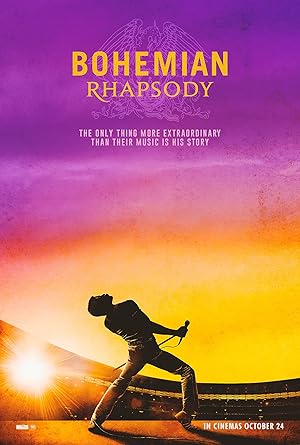
Bohemian Rhapsody
Bohemian Rhapsody is a foot-stomping celebration of Queen, their music and their extraordinary lead singer Freddie Mercury. Freddie defied stereotypes and shattered convention to become one of the most beloved entertainers on the planet. The film traces the meteoric rise of the band through their iconic songs and revolutionary sound. They reach unparalleled success, but in an unexpected turn Freddie, surrounded by darker influences, shuns Queen in pursuit of his solo career. Having suffered greatly without the collaboration of Queen, Freddie manages to reunite with his bandmates just in time for Live Aid. While bravely facing a recent AIDS diagnosis, Freddie leads the band in one of the greatest performances in the history of rock music. Queen cements a legacy that continues to inspire outsiders, dreamers and music lovers to this day.
Despite a mid-range budget of $52.0M, Bohemian Rhapsody became a runaway success, earning $910.8M worldwide—a remarkable 1652% return.
4 Oscars. 50 wins & 80 nominations


Plot Structure
Story beats plotted across runtime


Narrative Arc
Emotional journey through the story's key moments
Story Circle
Blueprint 15-beat structure
Arcplot Score Breakdown
Weighted: Precision (70%) + Arc (15%) + Theme (15%)
Bohemian Rhapsody (2018) exhibits precise narrative design, characteristic of Bryan Singer's storytelling approach. This structural analysis examines how the film's 15-point plot structure maps to proven narrative frameworks across 2 hours and 15 minutes. With an Arcplot score of 6.9, the film balances conventional beats with creative variation.
Characters
Cast & narrative archetypes

Freddie Mercury
Brian May
Roger Taylor
John Deacon
Mary Austin
Paul Prenter
Jim Hutton
Main Cast & Characters
Freddie Mercury
Played by Rami Malek
Charismatic and flamboyant lead singer of Queen who struggles with his identity, sexuality, and relationships while creating legendary music.
Brian May
Played by Gwilym Lee
Queen's guitarist and a voice of reason who balances artistic integrity with practical concerns for the band.
Roger Taylor
Played by Ben Hardy
Queen's drummer, passionate and temperamental, who challenges Freddie but remains loyal to the band.
John Deacon
Played by Joseph Mazzello
Queen's bassist, the quietest and most reserved member who provides stability and occasional critical insights.
Mary Austin
Played by Lucy Boynton
Freddie's longtime companion and love of his life, who remains his closest confidante even after their romantic relationship ends.
Paul Prenter
Played by Allen Leech
Freddie's personal manager who manipulates and isolates him from the band and loved ones for personal gain.
Jim Hutton
Played by Aaron McCusker
Freddie's partner in his later years who provides genuine love and support during his illness.
Structural Analysis
The Status Quo at 1 minutes (1% through the runtime) establishes Freddie Mercury backstage at Live Aid 1985, alone and isolated, looking at himself in the mirror before the performance. Establishes him at a point of crisis and separation from the band.. Notably, this early placement immediately immerses viewers in the story world.
The inciting incident occurs at 16 minutes when Smile's lead singer quits. Freddie approaches Brian May and Roger Taylor, auditions by singing, and demonstrates his extraordinary vocal range and stage presence. They invite him to join, and he renames himself Freddie Mercury.. At 12% through the film, this Disruption aligns precisely with traditional story structure. This beat shifts the emotional landscape, launching the protagonist into the central conflict.
The First Threshold at 33 minutes marks the transition into Act II, occurring at 24% of the runtime. This reveals the protagonist's commitment to Queen releases "Killer Queen" and experiences their first major success. They commit fully to being rock stars, go on tour, and enter the world of fame. Freddie actively chooses this life and all that comes with it., moving from reaction to action.
At 68 minutes, the Midpoint arrives at 50% of the runtime—precisely centered, creating perfect narrative symmetry. The analysis reveals that this crucial beat Freddie admits to Mary that he's been unfaithful and that he's bisexual. She responds that he's gay. Their engagement ends. False victory (fame and success) revealed as hollow - Freddie must confront his true identity, but loses the person who truly knew him., fundamentally raising what's at risk. The emotional intensity shifts, dividing the narrative into clear before-and-after phases.
The Collapse moment at 102 minutes (76% through) represents the emotional nadir. Here, Freddie discovers he has AIDS. Alone in his mansion except for Paul, he faces his mortality. Paul has systematically cut him off from the band, from Mary, from everyone who truly cared about him. The "whiff of death" is literal - his life is threatened, and he's completely alone., reveals the protagonist at their lowest point. This beat's placement in the final quarter sets up the climactic reversal.
The Second Threshold at 109 minutes initiates the final act resolution at 80% of the runtime. Freddie reunites with Queen and convinces them to perform at Live Aid. He apologizes sincerely, takes responsibility for his ego and mistakes. The band agrees to perform together. Freddie synthesizes who he is (his authentic self) with what he does (perform) - no more hiding., demonstrating the transformation achieved throughout the journey.
Emotional Journey
Bohemian Rhapsody's emotional architecture traces a deliberate progression across 15 carefully calibrated beats.
Narrative Framework
This structural analysis employs a 15-point narrative structure framework that maps key story moments. By mapping Bohemian Rhapsody against these established plot points, we can identify how Bryan Singer utilizes or subverts traditional narrative conventions. The plot point approach reveals not only adherence to structural principles but also creative choices that distinguish Bohemian Rhapsody within the biography genre.
Bryan Singer's Structural Approach
Among the 10 Bryan Singer films analyzed on Arcplot, the average structural score is 6.6, demonstrating varied approaches to story architecture. Bohemian Rhapsody represents one of the director's most structurally precise works. For comparative analysis, explore the complete Bryan Singer filmography.
Comparative Analysis
Additional biography films include After Thomas, Taking Woodstock and The Fire Inside. For more Bryan Singer analyses, see X-Men, Superman Returns and The Usual Suspects.
Plot Points by Act
Act I
SetupStatus Quo
Freddie Mercury backstage at Live Aid 1985, alone and isolated, looking at himself in the mirror before the performance. Establishes him at a point of crisis and separation from the band.
Theme
Freddie's father tells him: "Good thoughts, good words, good deeds." This Zoroastrian principle becomes the thematic core - the tension between authenticity and conformity, between who you are and who the world expects you to be.
Worldbuilding
Flashback to 1970. Farrokh Bulsara works as a baggage handler at Heathrow, lives with his traditional Parsi family, feels like an outsider. He meets Mary Austin and discovers the band Smile. Establishes his hunger for something more and his outsider status.
Disruption
Smile's lead singer quits. Freddie approaches Brian May and Roger Taylor, auditions by singing, and demonstrates his extraordinary vocal range and stage presence. They invite him to join, and he renames himself Freddie Mercury.
Resistance
The band forms with John Deacon, experiments with their sound, plays small gigs, struggles for recognition. Freddie proposes to Mary. They record their first album, face rejection from record labels, and debate whether they can make it. EMI finally signs them, but they must prove themselves.
Act II
ConfrontationFirst Threshold
Queen releases "Killer Queen" and experiences their first major success. They commit fully to being rock stars, go on tour, and enter the world of fame. Freddie actively chooses this life and all that comes with it.
Mirror World
Freddie proposes to Mary Austin and she accepts. Their relationship represents genuine love and acceptance - she sees and loves the real Freddie, not the persona. This relationship will teach him about authenticity versus performance.
Premise
Queen becomes a global phenomenon. They create "Bohemian Rhapsody" in an innovative six-week recording session, face resistance from EMI and radio, but push it through. The song becomes a massive hit. Tours, fame, creative experimentation - the promise of rock stardom fulfilled.
Midpoint
Freddie admits to Mary that he's been unfaithful and that he's bisexual. She responds that he's gay. Their engagement ends. False victory (fame and success) revealed as hollow - Freddie must confront his true identity, but loses the person who truly knew him.
Opposition
Freddie explores his sexuality but falls under the influence of Paul Prenter, his manipulative personal manager. The band faces tension and creative disagreements. Freddie's ego grows, he alienates the band, pursues a solo career, and becomes increasingly isolated. Paul controls and isolates him from his true friends and family.
Collapse
Freddie discovers he has AIDS. Alone in his mansion except for Paul, he faces his mortality. Paul has systematically cut him off from the band, from Mary, from everyone who truly cared about him. The "whiff of death" is literal - his life is threatened, and he's completely alone.
Crisis
Freddie fires Paul and processes what he's lost. He reconnects with Mary, admits the truth about his isolation and his diagnosis. He confronts his mistakes and his need for the people who truly matter - his real family, the band.
Act III
ResolutionSecond Threshold
Freddie reunites with Queen and convinces them to perform at Live Aid. He apologizes sincerely, takes responsibility for his ego and mistakes. The band agrees to perform together. Freddie synthesizes who he is (his authentic self) with what he does (perform) - no more hiding.
Synthesis
Queen prepares for and performs at Live Aid. Freddie reunites with his family, introduces them to Jim Hutton (his future partner), and the band takes the stage. Their 20-minute set becomes the most legendary performance in rock history. United, authentic, and performing for something bigger than themselves.
Transformation
The film ends on Freddie triumphant on stage at Live Aid, fist raised, connecting with thousands. Contrasts with opening image of isolation - now he's united with band, family, and audience. He's accepted himself and been accepted. Transformed from the insecure outsider to the authentic, unified performer.