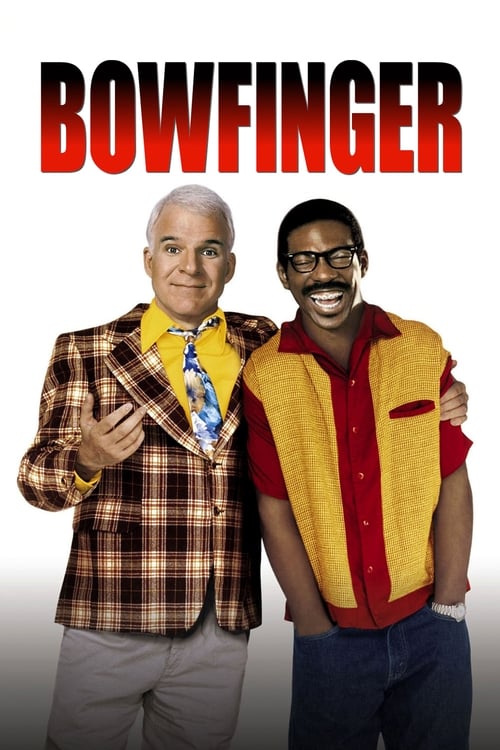
Bowfinger
On the verge of bankruptcy and desperate for his big break, aspiring filmmaker Bobby Bowfinger concocts a crazy plan to make his ultimate dream movie. Rallying a ragtag team that includes a starry-eyed ingenue, a has-been diva and a film studio gofer, he sets out to shoot a blockbuster featuring the biggest star in Hollywood, Kit Ramsey -- only without letting Ramsey know he's in the picture.
Working with a respectable budget of $55.0M, the film achieved a modest success with $98.6M in global revenue (+79% profit margin).


Plot Structure
Story beats plotted across runtime


Narrative Arc
Emotional journey through the story's key moments
Story Circle
Blueprint 15-beat structure
Arcplot Score Breakdown
Weighted: Precision (70%) + Arc (15%) + Theme (15%)
Bowfinger (1999) showcases carefully calibrated story structure, characteristic of Frank Oz's storytelling approach. This structural analysis examines how the film's 15-point plot structure maps to proven narrative frameworks across 1 hour and 37 minutes. With an Arcplot score of 6.7, the film balances conventional beats with creative variation.
Characters
Cast & narrative archetypes

Bobby Bowfinger
Kit Ramsey
Jiff Ramsey
Daisy
Carol
Dave
Afrim
Terry Stricter
Main Cast & Characters
Bobby Bowfinger
Played by Steve Martin
A struggling Hollywood director desperate to make one last film, willing to use guerrilla filmmaking tactics to shoot his sci-fi script without the star's knowledge.
Kit Ramsey
Played by Eddie Murphy
A paranoid action star and MindHead cult member who unknowingly becomes the star of Bowfinger's film through secret filming.
Jiff Ramsey
Played by Eddie Murphy
Kit Ramsey's nerdy lookalike brother who eagerly performs dangerous stunts for Bowfinger's film, seeking validation and adventure.
Daisy
Played by Heather Graham
An ambitious young woman fresh off the bus from Ohio who becomes Bowfinger's ingenue, willing to do anything to make it in Hollywood.
Carol
Played by Christine Baranski
Bowfinger's loyal but frustrated crew member and accountant who keeps the chaotic production together despite limited resources.
Dave
Played by Jamie Kennedy
The cinematographer on Bowfinger's crew who helps execute the guerrilla filming scheme.
Afrim
Played by Adam Alexi-Malle
An illegal immigrant working as a crew member who desperately needs to keep the job despite the absurd circumstances.
Terry Stricter
Played by Terrence Stamp
Kit Ramsey's agent and MindHead recruiter who manipulates Kit's paranoia for profit and control.
Structural Analysis
The Status Quo at 1 minutes (1% through the runtime) establishes Bobby Bowfinger is a struggling, aging Hollywood director living in a modest house, pitching terrible scripts to uninterested receptionists. He's a desperate nobody in the film industry, clinging to dreams of making it big despite decades of failure.. The analysis reveals that this early placement immediately immerses viewers in the story world.
The inciting incident occurs at 12 minutes when Kit Ramsey's agent laughs Bowfinger out of his office, making it clear that Kit will never work with a nobody like Bowfinger. Bowfinger's last hope for legitimacy is crushed, forcing him to consider desperate measures.. At 12% through the film, this Disruption aligns precisely with traditional story structure. This beat shifts the emotional landscape, launching the protagonist into the central conflict.
The First Threshold at 24 minutes marks the transition into Act II, occurring at 25% of the runtime. This indicates the protagonist's commitment to The crew shoots their first scene with Kit, ambushing him on the street with actors delivering alien dialogue. Kit freaks out, believing it's real, while the hidden cameras capture everything. Bowfinger commits fully to the illegal, insane plan—there's no turning back now., moving from reaction to action.
At 49 minutes, the Midpoint arrives at 51% of the runtime—precisely centered, creating perfect narrative symmetry. Significantly, this crucial beat Bowfinger gets Kit on camera for the film's climactic scene where he must run across the LA freeway. Kit, terrified and thinking he's fleeing real aliens, does it—and it's spectacular. Bowfinger believes he's got his masterpiece moment. False victory: the movie seems complete, but cracks are forming., fundamentally raising what's at risk. The emotional intensity shifts, dividing the narrative into clear before-and-after phases.
The Collapse moment at 72 minutes (74% through) represents the emotional nadir. Here, Kit's lawyers shut down the production and threaten to destroy Bowfinger. The crew abandons him, Daisy has used everyone, and Bowfinger sits alone in his house with his incomplete film, facing the death of his final dream. He's a 50-year-old failure with nothing to show for his life., reveals the protagonist at their lowest point. This beat's placement in the final quarter sets up the climactic reversal.
The Second Threshold at 77 minutes initiates the final act resolution at 80% of the runtime. Bowfinger realizes he can complete the film using Jiff for all remaining shots—Jiff is talented enough to carry it. More importantly, he sees that real filmmaking isn't about tricking stars, it's about recognizing and nurturing genuine talent. He reunites the crew with renewed authentic purpose., demonstrating the transformation achieved throughout the journey.
Emotional Journey
Bowfinger's emotional architecture traces a deliberate progression across 15 carefully calibrated beats.
Narrative Framework
This structural analysis employs structural analysis methodology used to understand storytelling architecture. By mapping Bowfinger against these established plot points, we can identify how Frank Oz utilizes or subverts traditional narrative conventions. The plot point approach reveals not only adherence to structural principles but also creative choices that distinguish Bowfinger within the comedy genre.
Frank Oz's Structural Approach
Among the 11 Frank Oz films analyzed on Arcplot, the average structural score is 7.2, reflecting strong command of classical structure. Bowfinger takes a more unconventional approach compared to the director's typical style. For comparative analysis, explore the complete Frank Oz filmography.
Comparative Analysis
Additional comedy films include The Bad Guys, Ella Enchanted and The Evening Star. For more Frank Oz analyses, see The Dark Crystal, The Indian in the Cupboard and Dirty Rotten Scoundrels.
Plot Points by Act
Act I
SetupStatus Quo
Bobby Bowfinger is a struggling, aging Hollywood director living in a modest house, pitching terrible scripts to uninterested receptionists. He's a desperate nobody in the film industry, clinging to dreams of making it big despite decades of failure.
Theme
Dave, Bowfinger's accountant, tells him: "The beauty of the movies is, if you can't make it, you can fake it." This encapsulates the film's theme about authenticity versus illusion, and whether the dream or the reality matters more.
Worldbuilding
We meet Bowfinger's ragtag crew of wannabe filmmakers: Dave the accountant, Carol the ingenue desperate for her break, Slater the eager production assistant. Bowfinger gets the perfect sci-fi script "Chubby Rain" and calculates he needs exactly $2,184 to make his movie—if he can get action star Kit Ramsey attached.
Disruption
Kit Ramsey's agent laughs Bowfinger out of his office, making it clear that Kit will never work with a nobody like Bowfinger. Bowfinger's last hope for legitimacy is crushed, forcing him to consider desperate measures.
Resistance
Bowfinger hatches his audacious plan: shoot the movie with Kit Ramsey without Kit knowing he's in a movie. He recruits his crew, finds Jiff (Kit's lookalike) as a stand-in, and convinces Daisy the beautiful newcomer to join. The team debates the ethics and logistics but Bowfinger's enthusiasm is contagious.
Act II
ConfrontationFirst Threshold
The crew shoots their first scene with Kit, ambushing him on the street with actors delivering alien dialogue. Kit freaks out, believing it's real, while the hidden cameras capture everything. Bowfinger commits fully to the illegal, insane plan—there's no turning back now.
Mirror World
Daisy arrives—a beautiful, ambitious actress from Ohio who represents everything fresh and hopeful about pursuing dreams. Her subplot with Bowfinger (and later the crew) becomes the emotional heart, showing both the innocence and corruption of Hollywood ambition.
Premise
The fun of guerrilla filmmaking: the crew ambushes Kit in restaurants, on studio lots, at premieres. Kit's paranoia escalates as he thinks aliens are stalking him. Meanwhile, Jiff shoots the close-ups and complex scenes, proving himself talented. The movie-within-a-movie comes together through sheer audacity and creativity.
Midpoint
Bowfinger gets Kit on camera for the film's climactic scene where he must run across the LA freeway. Kit, terrified and thinking he's fleeing real aliens, does it—and it's spectacular. Bowfinger believes he's got his masterpiece moment. False victory: the movie seems complete, but cracks are forming.
Opposition
Kit discovers the deception and threatens legal action. The crew fractures as Daisy sleeps her way through everyone for advancement. MindHead (Kit's cult) investigates Bowfinger. The production falls apart—no more Kit footage is possible, relationships are betrayed, and the dream seems dead.
Collapse
Kit's lawyers shut down the production and threaten to destroy Bowfinger. The crew abandons him, Daisy has used everyone, and Bowfinger sits alone in his house with his incomplete film, facing the death of his final dream. He's a 50-year-old failure with nothing to show for his life.
Crisis
Bowfinger contemplates giving up on filmmaking forever. The crew drifts apart. In his dark night, Bowfinger must face whether the dream was ever real or if he's been deluding himself for decades. Jiff, overlooked and undervalued, represents what Bowfinger has ignored—real talent and loyalty.
Act III
ResolutionSecond Threshold
Bowfinger realizes he can complete the film using Jiff for all remaining shots—Jiff is talented enough to carry it. More importantly, he sees that real filmmaking isn't about tricking stars, it's about recognizing and nurturing genuine talent. He reunites the crew with renewed authentic purpose.
Synthesis
The crew completes "Chubby Rain" with Jiff as the real star. They screen it for studios, and while it's rough, it has genuine heart and creativity. Kit, having overcome his own MindHead issues, shows up and makes peace. The film gets picked up for video distribution—not a blockbuster, but a real movie that exists.
Transformation
Bowfinger and his crew arrive at a premiere in a limo—not for "Chubby Rain," but for their next project. Bowfinger is still a B-movie director, but now he's a REAL filmmaker with a crew who believes in him. He's transformed from a faker chasing fame to an authentic artist making movies that matter to him.