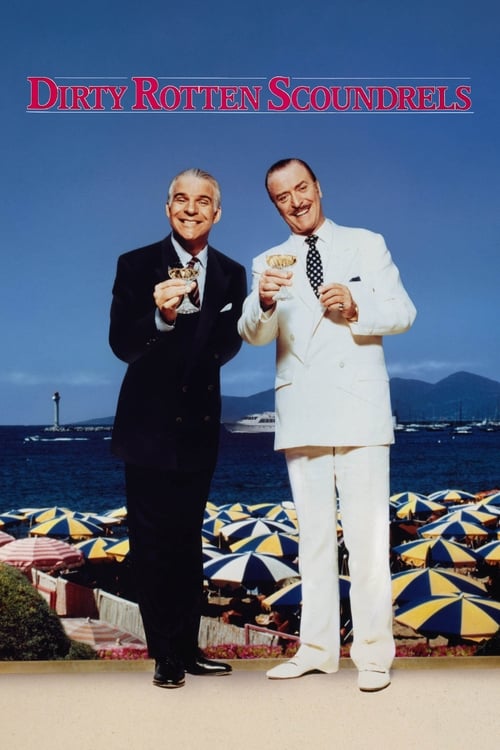
Dirty Rotten Scoundrels
Con artist Lawrence Jamieson is a longtime resident of a luxurious coastal resort, where he enjoys the lavish fruits of his deceptions -- that is, until a competitor, Freddy Benson, shows up. When the new guy's lowbrow tactics impinge on his own sophisticated work and believing him to be the infamous conman 'The Jackal', Lawrence resolves to get rid of him. Confident of his own duplicitous talents, he challenges Freddy to a winner-takes-all competition: whoever swindles their latest mark, American heiress Janet Colgate, out of $50,000 first can stay, while the other must leave town.
Despite its limited budget of $6.5M, Dirty Rotten Scoundrels became a box office phenomenon, earning $42.0M worldwide—a remarkable 546% return. The film's unconventional structure found its audience, confirming that strong storytelling can transcend budget limitations.
1 win & 1 nomination


Plot Structure
Story beats plotted across runtime


Narrative Arc
Emotional journey through the story's key moments
Story Circle
Blueprint 15-beat structure
Arcplot Score Breakdown
Weighted: Precision (70%) + Arc (15%) + Theme (15%)
Dirty Rotten Scoundrels (1988) reveals deliberately positioned plot construction, characteristic of Frank Oz's storytelling approach. This structural analysis examines how the film's 15-point plot structure maps to proven narrative frameworks across 1 hour and 50 minutes. With an Arcplot score of 6.7, the film balances conventional beats with creative variation.
Characters
Cast & narrative archetypes
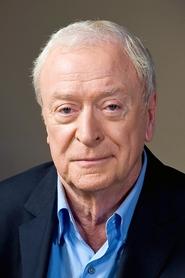
Lawrence Jamieson

Freddy Benson

Janet Colgate
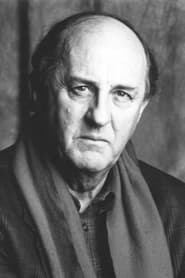
Andre
Main Cast & Characters
Lawrence Jamieson
Played by Michael Caine
Sophisticated British con artist who operates on the French Riviera with elegance and elaborate schemes.
Freddy Benson
Played by Steve Martin
Crude American small-time hustler who wants to learn from the best and compete with Lawrence.
Janet Colgate
Played by Glenne Headly
Young American heiress and apparent mark who becomes the subject of a bet between the two con men.
Andre
Played by Anton Rodgers
Lawrence's loyal butler and partner in crime who helps orchestrate elaborate cons.
Structural Analysis
The Status Quo at 1 minutes (1% through the runtime) establishes Lawrence Jamieson operates his sophisticated con on a wealthy woman aboard a train on the French Riviera, establishing him as a refined, elegant swindler who preys on rich tourists.. Of particular interest, this early placement immediately immerses viewers in the story world.
The inciting incident occurs at 13 minutes when Freddy Benson arrives in Beaumont-sur-Mer and begins running his crude cons, threatening to ruin Lawrence's carefully cultivated territory and sophisticated operation.. At 12% through the film, this Disruption aligns precisely with traditional story structure. This beat shifts the emotional landscape, launching the protagonist into the central conflict.
The First Threshold at 28 minutes marks the transition into Act II, occurring at 25% of the runtime. This shows the protagonist's commitment to Lawrence and Freddy agree to a wager: whoever can extract $50,000 from their chosen mark first wins, and the loser must leave Beaumont-sur-Mer forever. They choose Janet Colgate as their target., moving from reaction to action.
At 55 minutes, the Midpoint arrives at 50% of the runtime—precisely centered, creating perfect narrative symmetry. Of particular interest, this crucial beat Janet agrees to pay for Ruprecht's treatment, giving Freddy the apparent advantage. Both con men believe they're close to victory, but the stakes are raised as real romantic feelings begin complicating the competition - a false victory., fundamentally raising what's at risk. The emotional intensity shifts, dividing the narrative into clear before-and-after phases.
The Collapse moment at 83 minutes (75% through) represents the emotional nadir. Here, Janet reveals she's not wealthy - she's just a contest winner spending her $50,000 prize. The bet becomes meaningless. Both men's identities as sophisticated con artists are shattered as they realize they've been competing for nothing., illustrates the protagonist at their lowest point. This beat's placement in the final quarter sets up the climactic reversal.
The Second Threshold at 88 minutes initiates the final act resolution at 80% of the runtime. Both men decide to abandon the competition. Freddy proposes to Janet, seemingly choosing love over greed. Lawrence agrees to let them be happy, suggesting both have transformed beyond their con artist identities., demonstrating the transformation achieved throughout the journey.
Emotional Journey
Dirty Rotten Scoundrels's emotional architecture traces a deliberate progression across 15 carefully calibrated beats.
Narrative Framework
This structural analysis employs systematic plot point analysis that identifies crucial turning points. By mapping Dirty Rotten Scoundrels against these established plot points, we can identify how Frank Oz utilizes or subverts traditional narrative conventions. The plot point approach reveals not only adherence to structural principles but also creative choices that distinguish Dirty Rotten Scoundrels within the comedy genre.
Frank Oz's Structural Approach
Among the 11 Frank Oz films analyzed on Arcplot, the average structural score is 7.2, reflecting strong command of classical structure. Dirty Rotten Scoundrels takes a more unconventional approach compared to the director's typical style. For comparative analysis, explore the complete Frank Oz filmography.
Comparative Analysis
Additional comedy films include The Bad Guys, Ella Enchanted and The Evening Star. For more Frank Oz analyses, see The Dark Crystal, The Indian in the Cupboard and In & Out.
Plot Points by Act
Act I
SetupStatus Quo
Lawrence Jamieson operates his sophisticated con on a wealthy woman aboard a train on the French Riviera, establishing him as a refined, elegant swindler who preys on rich tourists.
Theme
Lawrence's assistant Andre warns that greed and overconfidence lead to downfall: "The bigger the front, the bigger the back" - foreshadowing that appearances deceive and the most confident player isn't always the winner.
Worldbuilding
We see Lawrence's luxurious life in Beaumont-sur-Mer and his sophisticated cons, then meet Freddy Benson running small-time scams on trains. Their contrasting styles establish the world of con artistry on the French Riviera.
Disruption
Freddy Benson arrives in Beaumont-sur-Mer and begins running his crude cons, threatening to ruin Lawrence's carefully cultivated territory and sophisticated operation.
Resistance
Lawrence attempts to get rid of Freddy through various schemes. When that fails, he reluctantly takes Freddy under his wing, teaching him the art of sophisticated cons while hoping to eventually drive him away.
Act II
ConfrontationFirst Threshold
Lawrence and Freddy agree to a wager: whoever can extract $50,000 from their chosen mark first wins, and the loser must leave Beaumont-sur-Mer forever. They choose Janet Colgate as their target.
Mirror World
Janet Colgate is introduced as the "American Soap Queen" - an apparently naive, sweet, and wealthy American tourist. She becomes the focal point that will reveal the truth about all three characters and the nature of deception.
Premise
The con artist competition unfolds with escalating schemes. Lawrence poses as a prince needing funds, while Freddy pretends to be his psychosomatically paralyzed brother "Ruprecht." Janet seems to fall for their cons as they sabotage each other hilariously.
Midpoint
Janet agrees to pay for Ruprecht's treatment, giving Freddy the apparent advantage. Both con men believe they're close to victory, but the stakes are raised as real romantic feelings begin complicating the competition - a false victory.
Opposition
The competition intensifies and grows more personal. Lawrence and Freddy employ increasingly desperate tactics. Janet plays both men with apparent innocence. Genuine emotions emerge as Freddy seems to fall for Janet, complicating his con.
Collapse
Janet reveals she's not wealthy - she's just a contest winner spending her $50,000 prize. The bet becomes meaningless. Both men's identities as sophisticated con artists are shattered as they realize they've been competing for nothing.
Crisis
Lawrence and Freddy grapple with the collapse of their competition and their own self-images. Freddy appears to genuinely fall for Janet. Lawrence questions whether the game was worth playing at all.
Act III
ResolutionSecond Threshold
Both men decide to abandon the competition. Freddy proposes to Janet, seemingly choosing love over greed. Lawrence agrees to let them be happy, suggesting both have transformed beyond their con artist identities.
Synthesis
Janet leaves town. Freddy is heartbroken. Lawrence tries to comfort him. Then they discover Janet has conned them both - she was "The Jackal," a legendary con artist, and has taken $50,000 from each of them.
Transformation
Janet returns and proposes they all work together. The three con artists form a partnership, combining their skills. Lawrence and Freddy have transformed from rivals to partners, and the student has become their equal - the true master was hidden in plain sight.