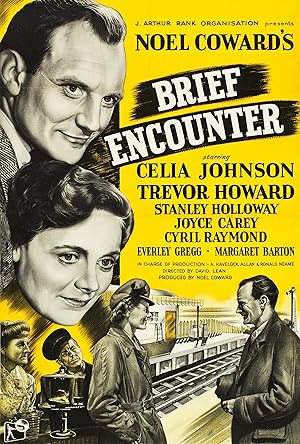
Brief Encounter
At a café on a railway station, housewife Laura Jesson (Celia Johnson) meets Dr. Alec Harvey (Trevor Howard). Although they are both already married, they gradually fall in love with each other. They continue to meet every Thursday in the small café, although they know that their love is impossible.
Produced on a tight budget of $1.2M, the film represents a independent production.
Nominated for 3 Oscars. 4 wins & 3 nominations


Plot Structure
Story beats plotted across runtime


Narrative Arc
Emotional journey through the story's key moments
Story Circle
Blueprint 15-beat structure
Arcplot Score Breakdown
Weighted: Precision (70%) + Arc (15%) + Theme (15%)
Brief Encounter (1945) reveals carefully calibrated dramatic framework, characteristic of David Lean's storytelling approach. This structural analysis examines how the film's 15-point plot structure maps to proven narrative frameworks across 1 hour and 26 minutes. With an Arcplot score of 6.9, the film balances conventional beats with creative variation.
Characters
Cast & narrative archetypes

Laura Jesson
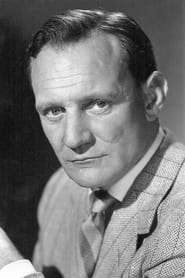
Dr. Alec Harvey

Fred Jesson
Main Cast & Characters
Laura Jesson
Played by Celia Johnson
A middle-class housewife who falls into an unexpected and passionate affair while living a conventional married life.
Dr. Alec Harvey
Played by Trevor Howard
A compassionate married doctor who meets Laura by chance and develops deep feelings despite his moral obligations.
Fred Jesson
Played by Cyril Raymond
Laura's dependable, unaware husband who represents the comfortable but emotionally distant domestic life.
Structural Analysis
The Status Quo at 1 minutes (1% through the runtime) establishes The Milford Junction refreshment room: Dolly Messiter chatters obliviously as Laura and Alec sit in anguished silence during their final meeting. We witness the ending before the beginning, establishing the frame of repressed emotion and social propriety.. The analysis reveals that this early placement immediately immerses viewers in the story world.
The inciting incident occurs at 10 minutes when A piece of grit blows into Laura's eye at the station. Dr. Alec Harvey, a stranger, gently removes it. This small act of tenderness—intimate physical contact with a kind stranger—disrupts the emotional monotony of Laura's existence.. At 12% through the film, this Disruption aligns precisely with traditional story structure. This beat shifts the emotional landscape, launching the protagonist into the central conflict.
The First Threshold at 21 minutes marks the transition into Act II, occurring at 24% of the runtime. This demonstrates the protagonist's commitment to Laura makes the conscious choice to go to the cinema with Alec instead of catching her train home. This is no longer coincidence—it's deliberate. She crosses from passive encounter into active participation in an emotional affair., moving from reaction to action.
At 42 minutes, the Midpoint arrives at 49% of the runtime—precisely centered, creating perfect narrative symmetry. Of particular interest, this crucial beat Their drive to the countryside—a perfect day outside their ordinary lives. They embrace the fantasy fully, speaking of love openly. "I love you. I love your wide eyes and your gentle voice." A false victory: the height of romantic possibility before reality intrudes., fundamentally raising what's at risk. The emotional intensity shifts, dividing the narrative into clear before-and-after phases.
The Collapse moment at 63 minutes (73% through) represents the emotional nadir. Here, Stephen returns unexpectedly to the flat. Laura flees in humiliation down the back stairs. The attempted physical consummation—and its shameful interruption—destroys the romantic illusion. She feels like "a cheap tawdry woman." The dream of this love is dead., indicates the protagonist at their lowest point. This beat's placement in the final quarter sets up the climactic reversal.
The Second Threshold at 68 minutes initiates the final act resolution at 79% of the runtime. Alec tells Laura he has accepted a position in Johannesburg. He's leaving in a few weeks—permanently. The external solution arrives: geography will end what they cannot. Laura must now choose how to face this final separation and what remains of her life., demonstrating the transformation achieved throughout the journey.
Emotional Journey
Brief Encounter's emotional architecture traces a deliberate progression across 15 carefully calibrated beats.
Narrative Framework
This structural analysis employs systematic plot point analysis that identifies crucial turning points. By mapping Brief Encounter against these established plot points, we can identify how David Lean utilizes or subverts traditional narrative conventions. The plot point approach reveals not only adherence to structural principles but also creative choices that distinguish Brief Encounter within the drama genre.
David Lean's Structural Approach
Among the 7 David Lean films analyzed on Arcplot, the average structural score is 6.1, demonstrating varied approaches to story architecture. Brief Encounter represents one of the director's most structurally precise works. For comparative analysis, explore the complete David Lean filmography.
Comparative Analysis
Additional drama films include After Thomas, South Pacific and Dirty Dancing: Havana Nights. For more David Lean analyses, see Summertime, Ryan's Daughter and A Passage to India.
Plot Points by Act
Act I
SetupStatus Quo
The Milford Junction refreshment room: Dolly Messiter chatters obliviously as Laura and Alec sit in anguished silence during their final meeting. We witness the ending before the beginning, establishing the frame of repressed emotion and social propriety.
Theme
Dolly's trivial gossip about respectability and appearances underscores the film's central tension: the suffocating weight of social convention against authentic feeling. "It's so nice to see you looking so well" masks the emotional devastation beneath.
Worldbuilding
Laura returns home to her comfortable, predictable domestic life with Fred. As she begins her internal confession, we see the world of 1930s middle-class English propriety: Thursday shopping trips, library books, crossword puzzles, and the unspoken rules governing marriage and desire.
Disruption
A piece of grit blows into Laura's eye at the station. Dr. Alec Harvey, a stranger, gently removes it. This small act of tenderness—intimate physical contact with a kind stranger—disrupts the emotional monotony of Laura's existence.
Resistance
Laura and Alec's subsequent "chance" meetings at the refreshment room. Their conversations grow more personal—about books, films, medicine, dreams. Laura debates internally, knowing she shouldn't feel this way, yet finding excuses to linger, to meet again.
Act II
ConfrontationFirst Threshold
Laura makes the conscious choice to go to the cinema with Alec instead of catching her train home. This is no longer coincidence—it's deliberate. She crosses from passive encounter into active participation in an emotional affair.
Mirror World
At the cinema, laughing together at a silly comedy, Laura experiences joy and connection absent from her marriage. Alec represents everything Fred isn't: romantic, passionate, intellectually engaging. Through him, she glimpses an alternate life of emotional fulfillment.
Premise
The blossoming affair: Thursday lunches, walks by the river, boat rides, intimate conversations. The promise of the premise—a forbidden romance—plays out in stolen moments. They fall deeply in love while maintaining surface respectability, never consummating physically.
Midpoint
Their drive to the countryside—a perfect day outside their ordinary lives. They embrace the fantasy fully, speaking of love openly. "I love you. I love your wide eyes and your gentle voice." A false victory: the height of romantic possibility before reality intrudes.
Opposition
Reality closes in. Laura's guilt intensifies; she lies to Fred about her Thursdays. Alec borrows Stephen's flat for them to be alone. Society, duty, and their own consciences become the antagonist—there is no villain, only impossible circumstance and internalized shame.
Collapse
Stephen returns unexpectedly to the flat. Laura flees in humiliation down the back stairs. The attempted physical consummation—and its shameful interruption—destroys the romantic illusion. She feels like "a cheap tawdry woman." The dream of this love is dead.
Crisis
Laura wanders the dark streets in despair, unable to go home, unable to face herself. She contemplates her situation: she cannot have Alec, cannot continue the deception, cannot bear the shame. The weight of impossibility crushes her.
Act III
ResolutionSecond Threshold
Alec tells Laura he has accepted a position in Johannesburg. He's leaving in a few weeks—permanently. The external solution arrives: geography will end what they cannot. Laura must now choose how to face this final separation and what remains of her life.
Synthesis
Their final meetings, knowing the end approaches. The last Thursday: Dolly's interruption robs them of a proper goodbye. Alec squeezes Laura's shoulder and leaves forever. Laura nearly throws herself under the express train, but pulls back—choosing life, duty, survival.
Transformation
Back home with Fred. Laura finishes her silent confession. Fred looks up from his crossword: "You've been a long way away... Thank you for coming back to me." He knows, or senses, and forgives. Laura weeps—grief and relief intertwined. Duty and love can coexist.