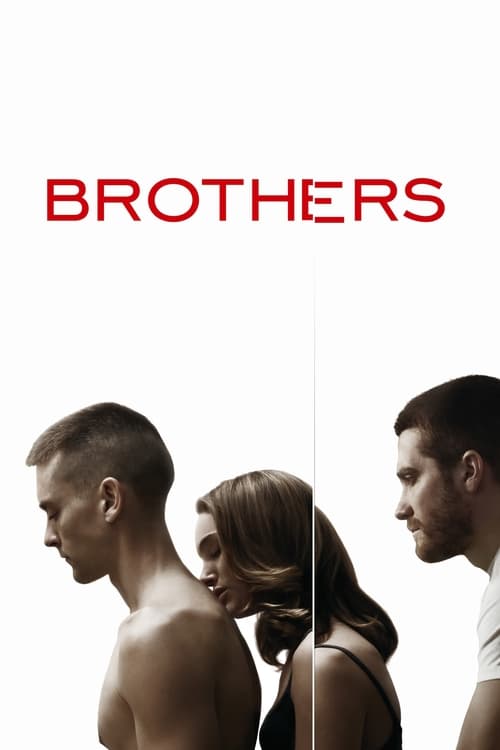
Brothers
When his helicopter goes down during his fourth tour of duty in Afghanistan, Marine Sam Cahill is presumed dead. Back home, brother Tommy steps in to look over Sam’s wife, Grace, and two children. Sam’s surprise homecoming triggers domestic mayhem.
Working with a moderate budget of $26.0M, the film achieved a modest success with $43.5M in global revenue (+67% profit margin).
4 wins & 16 nominations
Plot Structure
Story beats plotted across runtime


Narrative Arc
Emotional journey through the story's key moments
Story Circle
Blueprint 15-beat structure
Arcplot Score Breakdown
Weighted: Precision (70%) + Arc (15%) + Theme (15%)
Brothers (2009) demonstrates deliberately positioned dramatic framework, characteristic of Jim Sheridan's storytelling approach. This structural analysis examines how the film's 15-point plot structure maps to proven narrative frameworks across 1 hour and 45 minutes. With an Arcplot score of 7.9, the film showcases strong structural fundamentals.
Characters
Cast & narrative archetypes

Sam Cahill
Grace Cahill
Tommy Cahill
Isabelle Cahill
Maggie Cahill
Hank Cahill
Main Cast & Characters
Sam Cahill
Played by Tobey Maguire
A decorated Marine captain deployed to Afghanistan who is presumed dead, returns traumatized by his POW experience.
Grace Cahill
Played by Natalie Portman
Sam's wife who struggles to hold her family together while grieving his presumed death and developing feelings for his brother.
Tommy Cahill
Played by Jake Gyllenhaal
Sam's ex-convict younger brother who steps up to help Grace and the girls, finding redemption through family responsibility.
Isabelle Cahill
Played by Bailee Madison
Sam and Grace's older daughter who witnesses her father's deterioration and struggles to understand his PTSD.
Maggie Cahill
Played by Taylor Geare
Sam and Grace's younger daughter who is confused by the family tension and her father's changed behavior.
Hank Cahill
Played by Sam Shepard
Sam and Tommy's Marine veteran father who favors Sam and has a difficult relationship with Tommy.
Structural Analysis
The Status Quo at 1 minutes (1% through the runtime) establishes Sam Cahill, a decorated Marine captain, prepares for deployment to Afghanistan. He has a stable family life with wife Grace and two daughters. His brother Tommy is just being released from prison - the black sheep of the family. The contrast between the "good son" and "bad son" is established.. Structural examination shows that this early placement immediately immerses viewers in the story world.
The inciting incident occurs at 13 minutes when Sam's helicopter is shot down in Afghanistan. Grace receives notification that Sam is missing in action and presumed dead. The family is shattered by the news.. At 12% through the film, this Disruption aligns precisely with traditional story structure. This beat shifts the emotional landscape, launching the protagonist into the central conflict.
The First Threshold at 26 minutes marks the transition into Act II, occurring at 25% of the runtime. This demonstrates the protagonist's commitment to Tommy makes the active choice to fully commit to helping Grace and the girls. He takes on a father figure role, not out of obligation but genuine care. This marks his transformation from wayward son to responsible family member., moving from reaction to action.
At 53 minutes, the Midpoint arrives at 50% of the runtime—precisely centered, creating perfect narrative symmetry. The analysis reveals that this crucial beat False victory turns to false defeat: Just as Tommy and Grace share a near-kiss moment (potential new life), Sam is forced by his captors to execute a fellow prisoner to survive. Sam commits this act of violence, crossing a moral line. The stakes escalate dramatically - Sam's soul is compromised., fundamentally raising what's at risk. The emotional intensity shifts, dividing the narrative into clear before-and-after phases.
The Collapse moment at 79 minutes (75% through) represents the emotional nadir. Here, At Isabelle's birthday party, Sam's paranoia explodes. He accuses Grace and Tommy of having an affair and destroys the kitchen Tommy remodeled in a violent rage. He holds the family at gunpoint. The police are called. The hero has become the threat. The "whiff of death" - the death of who Sam was, the death of his heroic identity., demonstrates the protagonist at their lowest point. This beat's placement in the final quarter sets up the climactic reversal.
The Second Threshold at 86 minutes initiates the final act resolution at 82% of the runtime. Grace visits Sam in the hospital. Sam finally breaks down and confesses what he did in Afghanistan - that he killed his fellow soldier to survive. He admits his shame and guilt. This confession is the breakthrough - the synthesis of his warrior identity with his vulnerable humanity. Grace chooses to stay and help him heal., demonstrating the transformation achieved throughout the journey.
Emotional Journey
Brothers's emotional architecture traces a deliberate progression across 15 carefully calibrated beats.
Narrative Framework
This structural analysis employs a 15-point narrative structure framework that maps key story moments. By mapping Brothers against these established plot points, we can identify how Jim Sheridan utilizes or subverts traditional narrative conventions. The plot point approach reveals not only adherence to structural principles but also creative choices that distinguish Brothers within the drama genre.
Jim Sheridan's Structural Approach
Among the 6 Jim Sheridan films analyzed on Arcplot, the average structural score is 6.8, demonstrating varied approaches to story architecture. Brothers represents one of the director's most structurally precise works. For comparative analysis, explore the complete Jim Sheridan filmography.
Comparative Analysis
Additional drama films include After Thomas, South Pacific and Dirty Dancing: Havana Nights. For more Jim Sheridan analyses, see Dream House, Get Rich or Die Tryin' and In the Name of the Father.
Plot Points by Act
Act I
SetupStatus Quo
Sam Cahill, a decorated Marine captain, prepares for deployment to Afghanistan. He has a stable family life with wife Grace and two daughters. His brother Tommy is just being released from prison - the black sheep of the family. The contrast between the "good son" and "bad son" is established.
Theme
At Tommy's welcome home party, their father Hank (a Vietnam veteran) makes cutting remarks about Tommy being a disgrace compared to Sam. The theme emerges: what makes a man a hero or a brother? The question of identity, duty, and family bonds is raised.
Worldbuilding
We see Sam's loving relationship with Grace and his daughters. Tommy awkwardly tries to reconnect with the family. Sam deploys to Afghanistan. The family dynamic is established: Sam is the responsible one, Tommy is trying to reform, and Grace holds the family together.
Disruption
Sam's helicopter is shot down in Afghanistan. Grace receives notification that Sam is missing in action and presumed dead. The family is shattered by the news.
Resistance
The family grieves. Tommy steps up to help Grace and the girls, remodeling their kitchen and providing support. Grace resists at first, maintaining boundaries, but slowly accepts Tommy's help. Tommy debates whether he can truly fill his brother's shoes.
Act II
ConfrontationFirst Threshold
Tommy makes the active choice to fully commit to helping Grace and the girls. He takes on a father figure role, not out of obligation but genuine care. This marks his transformation from wayward son to responsible family member.
Mirror World
Tommy and Grace grow closer emotionally as he helps with the children. Their relationship becomes the mirror to explore what family truly means - not blood or duty, but presence and care. Grace begins to see Tommy differently.
Premise
Tommy bonds with his nieces, particularly helping the older daughter Isabelle through her grief. Grace and Tommy share intimate moments of connection. Meanwhile, in Afghanistan, Sam is revealed to be alive but captured and tortured by the Taliban. The premise explores: Can Tommy become the man Sam was?
Midpoint
False victory turns to false defeat: Just as Tommy and Grace share a near-kiss moment (potential new life), Sam is forced by his captors to execute a fellow prisoner to survive. Sam commits this act of violence, crossing a moral line. The stakes escalate dramatically - Sam's soul is compromised.
Opposition
Sam is rescued and returns home, but he is psychologically destroyed by what he did. He is distant, cold, and suspicious. He sees the bond between Tommy and his family and grows paranoid. Tommy backs away, and Grace tries desperately to reach Sam, but he is unreachable. Sam's PTSD intensifies.
Collapse
At Isabelle's birthday party, Sam's paranoia explodes. He accuses Grace and Tommy of having an affair and destroys the kitchen Tommy remodeled in a violent rage. He holds the family at gunpoint. The police are called. The hero has become the threat. The "whiff of death" - the death of who Sam was, the death of his heroic identity.
Crisis
Sam is hospitalized. The family processes the trauma. Everyone sits in the darkness of what has happened. Sam faces the reality that he is broken, that the war took everything from him. Grace must decide if she can help him heal.
Act III
ResolutionSecond Threshold
Grace visits Sam in the hospital. Sam finally breaks down and confesses what he did in Afghanistan - that he killed his fellow soldier to survive. He admits his shame and guilt. This confession is the breakthrough - the synthesis of his warrior identity with his vulnerable humanity. Grace chooses to stay and help him heal.
Synthesis
Sam begins therapy and treatment. The family starts to rebuild. Tommy maintains his newfound responsibility and relationship with the family. The brothers reconcile, understanding each other in a new way. Both have been transformed - Sam by facing his trauma, Tommy by stepping into maturity.
Transformation
The final image mirrors the opening: a family gathering. But now Tommy is integrated into the family as a valuable member, not an outcast. Sam is present but vulnerable, no longer the perfect soldier but a human being seeking healing. The family is scarred but together, transformed by understanding that heroism isn't about perfection - it's about showing up and facing truth.