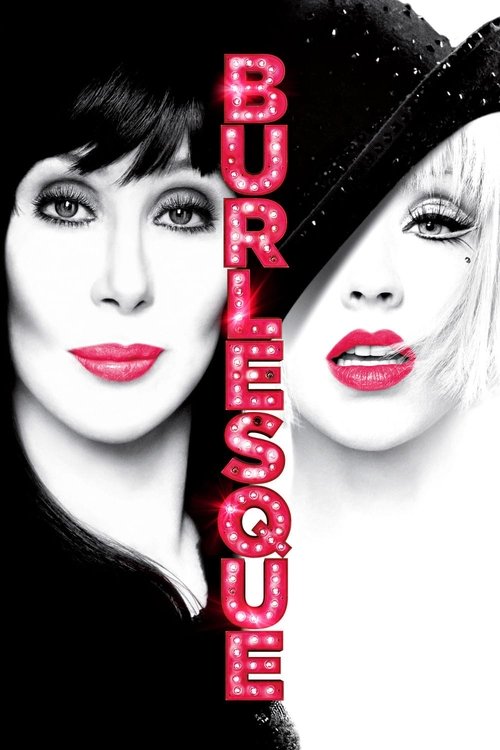
Burlesque
Ali leaves behind a troubled life and follows her dreams to Los Angeles, where she lands a job as a cocktail waitress at the Burlesque Lounge, a once-majestic theater that houses an inspired musical revue. Vowing to perform there, she makes the leap from bar to stage, helping restore the club's former glory.
Working with a mid-range budget of $55.0M, the film achieved a steady performer with $89.5M in global revenue (+63% profit margin).
6 wins & 21 nominations


Plot Structure
Story beats plotted across runtime


Narrative Arc
Emotional journey through the story's key moments
Story Circle
Blueprint 15-beat structure
Arcplot Score Breakdown
Weighted: Precision (70%) + Arc (15%) + Theme (15%)
Burlesque (2010) showcases precise dramatic framework, characteristic of Steve Antin's storytelling approach. This structural analysis examines how the film's 15-point plot structure maps to proven narrative frameworks across 1 hour and 59 minutes. With an Arcplot score of 7.2, the film balances conventional beats with creative variation.
Characters
Cast & narrative archetypes

Ali Rose
Tess
Jack
Marcus
Nikki
Sean
Georgia
Main Cast & Characters
Ali Rose
Played by Christina Aguilera
A small-town Iowa girl who moves to Los Angeles to pursue her dreams of becoming a performer at a burlesque lounge.
Tess
Played by Cher
The tough, determined owner of the struggling Burlesque Lounge who takes Ali under her wing while fighting to save her club.
Jack
Played by Cam Gigandet
A bartender and aspiring musician who befriends Ali and provides her with a place to stay.
Marcus
Played by Eric Dane
A wealthy businessman and former lover of Tess who offers to save the club by buying it.
Nikki
Played by Kristen Bell
The jealous, prima donna star performer of the Burlesque Lounge who feels threatened by Ali's talent.
Sean
Played by Stanley Tucci
Tess's loyal ex-husband and the club's stage manager who helps keep the Burlesque Lounge running.
Georgia
Played by Julianne Hough
A kind and supportive dancer at the Burlesque Lounge who befriends Ali.
Structural Analysis
The Status Quo at 1 minutes (1% through the runtime) establishes Ali works as a waitress in a small Iowa town, performing at a dingy bar where no one listens. She's talented but trapped, her dreams of singing stardom stifled by her dead-end environment.. The analysis reveals that this early placement immediately immerses viewers in the story world.
The inciting incident occurs at 14 minutes when Ali witnesses her first Burlesque performance and is mesmerized. The spectacle of Tess's club represents everything she's been searching for - a place where performance is art and women command the stage with power and sensuality.. At 12% through the film, this Disruption aligns precisely with traditional story structure. This beat shifts the emotional landscape, launching the protagonist into the central conflict.
The First Threshold at 31 minutes marks the transition into Act II, occurring at 26% of the runtime. This illustrates the protagonist's commitment to Ali actively chooses to fight for her place on stage. When a drunk dancer can't perform, Ali takes her costume and forces her way into the number, dancing alongside the troupe. Tess fires her, but Ali's audacity proves she belongs in this world., moving from reaction to action.
At 60 minutes, the Midpoint arrives at 50% of the runtime—precisely centered, creating perfect narrative symmetry. Notably, this crucial beat Ali discovers lead dancer Nikki has sabotaged the backing track. In desperation, Ali sings live for the first time, stunning the audience and Tess. False victory: Ali becomes the star, but this raises the stakes - she's now a threat to Nikki and the club's financial pressures intensify., fundamentally raising what's at risk. The emotional intensity shifts, dividing the narrative into clear before-and-after phases.
The Collapse moment at 88 minutes (74% through) represents the emotional nadir. Here, Ali discovers Marcus is the developer trying to destroy the Burlesque Lounge - he seduced her to get closer to Tess and the club. She's betrayed, lost Jack through her ambition, and the club (her artistic home) faces closure. Her dreams are built on lies and manipulation., demonstrates the protagonist at their lowest point. This beat's placement in the final quarter sets up the climactic reversal.
The Second Threshold at 94 minutes initiates the final act resolution at 79% of the runtime. Ali realizes Marcus's contract has a loophole - the air rights above the club are valuable and can save it. She synthesizes what she learned from Jack (integrity) and Tess (fight for what you love) to find a solution. She chooses the club over a solo record deal., demonstrating the transformation achieved throughout the journey.
Emotional Journey
Burlesque's emotional architecture traces a deliberate progression across 15 carefully calibrated beats.
Narrative Framework
This structural analysis employs systematic plot point analysis that identifies crucial turning points. By mapping Burlesque against these established plot points, we can identify how Steve Antin utilizes or subverts traditional narrative conventions. The plot point approach reveals not only adherence to structural principles but also creative choices that distinguish Burlesque within the drama genre.
Comparative Analysis
Additional drama films include After Thomas, South Pacific and Dirty Dancing: Havana Nights.
Plot Points by Act
Act I
SetupStatus Quo
Ali works as a waitress in a small Iowa town, performing at a dingy bar where no one listens. She's talented but trapped, her dreams of singing stardom stifled by her dead-end environment.
Theme
Ali's coworker tells her, "You're never gonna make it if you don't take a chance." The theme of authenticity vs. playing it safe is established - Ali must risk everything to find her true voice.
Worldbuilding
Ali quits her job, steals tip money from her exploitative boss, and takes a bus to Los Angeles. She arrives in the big city with nothing but ambition, discovering the Burlesque Lounge - a glamorous but struggling club owned by Tess.
Disruption
Ali witnesses her first Burlesque performance and is mesmerized. The spectacle of Tess's club represents everything she's been searching for - a place where performance is art and women command the stage with power and sensuality.
Resistance
Ali relentlessly pursues a job at the club, facing rejection from Tess. She befriends Jack, the bartender, who lets her sleep on his couch. She volunteers as a waitress, learning the world of burlesque while proving her determination and work ethic.
Act II
ConfrontationFirst Threshold
Ali actively chooses to fight for her place on stage. When a drunk dancer can't perform, Ali takes her costume and forces her way into the number, dancing alongside the troupe. Tess fires her, but Ali's audacity proves she belongs in this world.
Mirror World
Jack and Ali's relationship deepens as he encourages her to be herself. He represents the alternative to performance - genuine connection and authenticity. Their chemistry grows, contrasting with the artifice of the stage.
Premise
Ali joins the burlesque troupe, learning choreography and lip-syncing on stage. The "promise of the premise" delivers: glamorous costumes, elaborate numbers, backstage drama, and Ali's gradual integration into the world of burlesque performance she'd dreamed about.
Midpoint
Ali discovers lead dancer Nikki has sabotaged the backing track. In desperation, Ali sings live for the first time, stunning the audience and Tess. False victory: Ali becomes the star, but this raises the stakes - she's now a threat to Nikki and the club's financial pressures intensify.
Opposition
Ali's stardom grows, but opposition mounts: Nikki sabotages her and quits, real estate developer Marcus wants to buy the club and pursues Ali romantically, Tess faces foreclosure, and Jack feels betrayed when Ali gets involved with Marcus. Success brings complications.
Collapse
Ali discovers Marcus is the developer trying to destroy the Burlesque Lounge - he seduced her to get closer to Tess and the club. She's betrayed, lost Jack through her ambition, and the club (her artistic home) faces closure. Her dreams are built on lies and manipulation.
Crisis
Ali confronts her complicity in nearly destroying the club. She processes the loss of Jack and her naiveté about Marcus. Tess contemplates selling, facing the death of her life's work. The dark night forces Ali to choose: personal stardom or saving the community that gave her a chance.
Act III
ResolutionSecond Threshold
Ali realizes Marcus's contract has a loophole - the air rights above the club are valuable and can save it. She synthesizes what she learned from Jack (integrity) and Tess (fight for what you love) to find a solution. She chooses the club over a solo record deal.
Synthesis
Ali executes the plan to save the club using the air rights deal. She performs a triumphant final number that showcases her authentic voice. She reconciles with Jack, choosing real love over glamorous manipulation. Tess keeps the club, and the burlesque family survives.
Transformation
Ali performs on stage with Tess, now an equal partner rather than a star-struck newcomer. She's found her authentic voice - not just vocally, but emotionally. The final image shows her confident, grounded, and surrounded by genuine relationships rather than alone with hollow ambition.