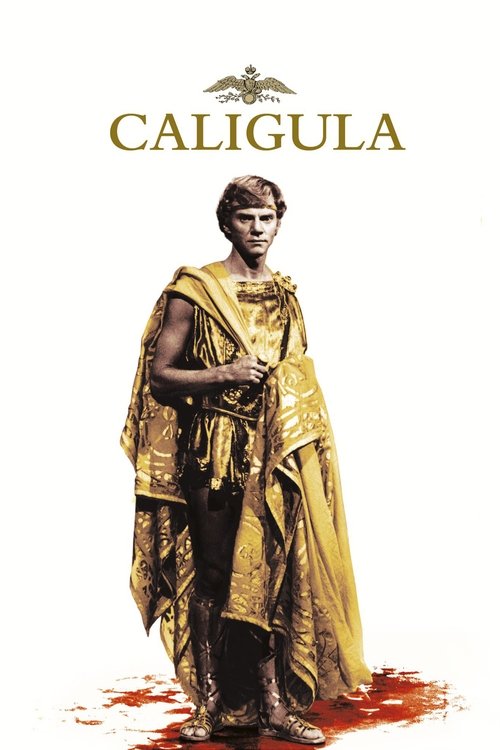
Caligula
After the death of the paranoid emperor Tiberius, Caligula, his heir, seizes power and plunges the empire into a bloody spiral of madness and depravity.
Working with a mid-range budget of $17.5M, the film achieved a steady performer with $23.4M in global revenue (+34% profit margin).

Plot Structure
Story beats plotted across runtime


Narrative Arc
Emotional journey through the story's key moments
Story Circle
Blueprint 15-beat structure
Arcplot Score Breakdown
Weighted: Precision (70%) + Arc (15%) + Theme (15%)
Caligula (1979) demonstrates deliberately positioned story structure, characteristic of Tinto Brass's storytelling approach. This structural analysis examines how the film's 15-point plot structure maps to proven narrative frameworks across 2 hours and 36 minutes. With an Arcplot score of 6.9, the film balances conventional beats with creative variation.
Structural Analysis
The Status Quo at 2 minutes (1% through the runtime) establishes Young Caligula and his sister Drusilla share an incestuous relationship in the countryside, representing his life as heir before assuming power. They are lovers hiding from the paranoid Emperor Tiberius.. Significantly, this early placement immediately immerses viewers in the story world.
The inciting incident occurs at 18 minutes when Tiberius dies (possibly smothered by Macro), creating the opportunity for Caligula to ascend to absolute power. This event disrupts his relatively constrained life as heir and opens the door to unlimited authority.. At 12% through the film, this Disruption aligns precisely with traditional story structure. This beat shifts the emotional landscape, launching the protagonist into the central conflict.
The First Threshold at 38 minutes marks the transition into Act II, occurring at 24% of the runtime. This demonstrates the protagonist's commitment to Caligula actively chooses to embrace absolute power during his formal ascension ceremony before the Senate. He delivers a speech accepting unlimited authority and demonstrating his intention to rule without constraint., moving from reaction to action.
At 77 minutes, the Midpoint arrives at 50% of the runtime—precisely centered, creating perfect narrative symmetry. The analysis reveals that this crucial beat Drusilla dies suddenly from a fever. This false defeat marks the turning point where Caligula loses his last connection to humanity. The one person who loved him unconditionally is gone, removing all restraint on his madness., fundamentally raising what's at risk. The emotional intensity shifts, dividing the narrative into clear before-and-after phases.
The Collapse moment at 115 minutes (74% through) represents the emotional nadir. Here, Caligula executes Macro and his wife, killing his former mentor and eliminating his last loyal advisor. He is now completely isolated, surrounded only by sycophants and hidden enemies. His paranoia is complete., reveals the protagonist at their lowest point. This beat's placement in the final quarter sets up the climactic reversal.
The Second Threshold at 122 minutes initiates the final act resolution at 78% of the runtime. The Praetorian Guard finalizes their assassination plot. Cassius Chaerea and the conspirators make their decision to act, realizing Caligula must be eliminated. The synthesis of opposition against tyranny reaches its breaking point., demonstrating the transformation achieved throughout the journey.
Emotional Journey
Caligula's emotional architecture traces a deliberate progression across 15 carefully calibrated beats.
Narrative Framework
This structural analysis employs systematic plot point analysis that identifies crucial turning points. By mapping Caligula against these established plot points, we can identify how Tinto Brass utilizes or subverts traditional narrative conventions. The plot point approach reveals not only adherence to structural principles but also creative choices that distinguish Caligula within the drama genre.
Comparative Analysis
Additional drama films include After Thomas, South Pacific and Dirty Dancing: Havana Nights.
Plot Points by Act
Act I
SetupStatus Quo
Young Caligula and his sister Drusilla share an incestuous relationship in the countryside, representing his life as heir before assuming power. They are lovers hiding from the paranoid Emperor Tiberius.
Theme
Macro warns Caligula about the corrupting nature of absolute power, foreshadowing his descent: "Power is everything. But beware - it will consume you." This establishes the film's central theme.
Worldbuilding
Establishment of Tiberius's decadent and paranoid reign on Capri. We see the corruption of Rome, Caligula's position as heir, his relationship with Drusilla, and the political machinations of Macro and the Praetorian Guard.
Disruption
Tiberius dies (possibly smothered by Macro), creating the opportunity for Caligula to ascend to absolute power. This event disrupts his relatively constrained life as heir and opens the door to unlimited authority.
Resistance
Caligula prepares to assume power with Macro's guidance. He returns to Rome, is acclaimed by the Senate, and begins to understand the scope of his authority. Initial hesitation gives way to growing ambition and confidence.
Act II
ConfrontationFirst Threshold
Caligula actively chooses to embrace absolute power during his formal ascension ceremony before the Senate. He delivers a speech accepting unlimited authority and demonstrating his intention to rule without constraint.
Mirror World
Caligula's deepening bond with Drusilla represents the thematic counterpoint - genuine love and humanity versus power and cruelty. She is the one person who might anchor his humanity as he descends into tyranny.
Premise
The "fun and games" of absolute power: Caligula indulges in increasingly extreme displays of authority, sexual excess, and cruelty. He humiliates senators, throws lavish orgies, and exercises power capriciously, reveling in his godlike status.
Midpoint
Drusilla dies suddenly from a fever. This false defeat marks the turning point where Caligula loses his last connection to humanity. The one person who loved him unconditionally is gone, removing all restraint on his madness.
Opposition
Following Drusilla's death, Caligula descends into complete madness and paranoia. His cruelty intensifies, he declares himself a god, executes perceived enemies, and alienates everyone. Conspiracies form against him as opposition grows.
Collapse
Caligula executes Macro and his wife, killing his former mentor and eliminating his last loyal advisor. He is now completely isolated, surrounded only by sycophants and hidden enemies. His paranoia is complete.
Crisis
Caligula wanders his palace in isolation and madness, completely disconnected from reality. He raves about his divinity while the conspiracy against him reaches its final stages. He is utterly alone in his paranoid delusions.
Act III
ResolutionSecond Threshold
The Praetorian Guard finalizes their assassination plot. Cassius Chaerea and the conspirators make their decision to act, realizing Caligula must be eliminated. The synthesis of opposition against tyranny reaches its breaking point.
Synthesis
The assassination unfolds in the palace corridors. Caligula is ambushed by the Praetorian Guard led by Cassius Chaerea and brutally stabbed to death. His wife and daughter are also killed. The tyrant's reign ends in blood and violence.
Transformation
Caligula's corpse lies abandoned in a dark corridor, his blood pooling on the floor. From divine emperor to discarded body - the final image shows the ultimate cost of absolute corruption, contrasting with the young lover in the opening.