
Casablanca
The story of Rick Blaine, a cynical world-weary ex-patriate who runs a nightclub in Casablanca, Morocco during the early stages of WWII. Despite the pressure he constantly receives from the local authorities, Rick's cafe has become a kind of haven for refugees seeking to obtain illicit letters that will help them escape to America. But when Ilsa, a former lover of Rick's, and her husband, show up to his cafe one day, Rick faces a tough challenge which will bring up unforeseen complications, heartbreak and ultimately an excruciating decision to make.
Despite its extremely modest budget of $878K, Casablanca became a massive hit, earning $10.5M worldwide—a remarkable 1092% return. The film's distinctive approach found its audience, proving that strong storytelling can transcend budget limitations.
3 Oscars. 18 wins & 12 nominations


Plot Structure
Story beats plotted across runtime


Narrative Arc
Emotional journey through the story's key moments
Story Circle
Blueprint 15-beat structure
Arcplot Score Breakdown
Weighted: Precision (70%) + Arc (15%) + Theme (15%)
Casablanca (1942) demonstrates deliberately positioned narrative design, characteristic of Michael Curtiz's storytelling approach. This structural analysis examines how the film's 11-point plot structure maps to proven narrative frameworks across 1 hour and 42 minutes. With an Arcplot score of 3.8, the film takes an unconventional approach to traditional narrative frameworks.
Characters
Cast & narrative archetypes
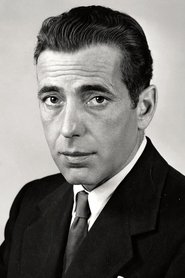
Rick Blaine
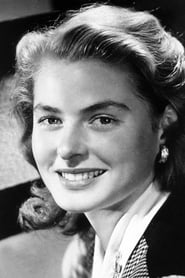
Ilsa Lund
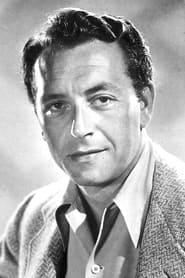
Victor Laszlo
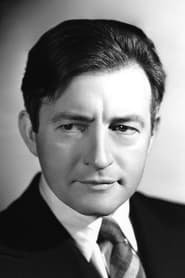
Captain Louis Renault
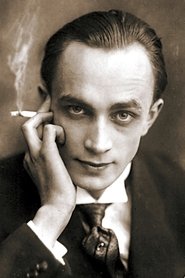
Major Heinrich Strasser
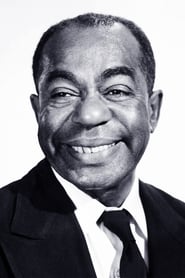
Sam
Main Cast & Characters
Rick Blaine
Played by Humphrey Bogart
Cynical American expatriate who runs Rick's Café Américain in Casablanca, hiding his idealistic past behind a hardened exterior.
Ilsa Lund
Played by Ingrid Bergman
Rick's former lover who arrives in Casablanca with her husband, torn between love and duty.
Victor Laszlo
Played by Paul Henreid
Noble Czech Resistance leader seeking escape from Casablanca to continue fighting the Nazis.
Captain Louis Renault
Played by Claude Rains
Corrupt but charming Vichy French police captain who plays all sides for personal gain.
Major Heinrich Strasser
Played by Conrad Veidt
German SS officer pursuing Victor Laszlo, representing Nazi authority in Casablanca.
Sam
Played by Dooley Wilson
Rick's loyal pianist and friend who knows the history between Rick and Ilsa.
Structural Analysis
The Status Quo at 1 minutes (1% through the runtime) establishes Casablanca is established as a desperate waypoint for refugees fleeing Europe, with a spinning globe and map showing the tortuous path to freedom through this Moroccan city.. Notably, this early placement immediately immerses viewers in the story world.
The inciting incident occurs at 11 minutes when Ugarte reveals he possesses the letters of transit stolen from murdered German couriers and asks Rick to hold them, pulling the neutral cafe owner into a dangerous political situation.. At 11% through the film, this Disruption aligns precisely with traditional story structure. This beat shifts the emotional landscape, launching the protagonist into the central conflict.
The First Threshold at 23 minutes marks the transition into Act II, occurring at 22% of the runtime. This shows the protagonist's commitment to Rick refuses to give the letters of transit to Laszlo, choosing bitterness over principle. His decision to withhold the letters—driven by jealousy and pain—locks him into the central conflict and makes neutrality impossible., moving from reaction to action.
The Collapse moment at 68 minutes (67% through) represents the emotional nadir. Here, Ilsa comes to Rick with a gun, desperate to get the letters for Victor's escape, but breaks down and confesses she still loves Rick. She puts the decision entirely in his hands, surrendering her agency. Rick must choose between love and a larger cause—the death of his self-serving neutrality., demonstrates the protagonist at their lowest point. This beat's placement in the final quarter sets up the climactic reversal.
The Synthesis at 73 minutes initiates the final act resolution at 71% of the runtime. At the airport, Rick executes his plan. He forces Renault at gunpoint to let the plane leave, gives Ilsa the famous speech about problems not amounting to a hill of beans, and shoots Major Strasser when he tries to stop the plane. Renault, moved by Rick's transformation, covers for him., demonstrating the transformation achieved throughout the journey.
Emotional Journey
Casablanca's emotional architecture traces a deliberate progression across 11 carefully calibrated beats.
Narrative Framework
This structural analysis employs proven narrative structure principles that track dramatic progression. By mapping Casablanca against these established plot points, we can identify how Michael Curtiz utilizes or subverts traditional narrative conventions. The plot point approach reveals not only adherence to structural principles but also creative choices that distinguish Casablanca within the drama genre.
Michael Curtiz's Structural Approach
Among the 4 Michael Curtiz films analyzed on Arcplot, the average structural score is 6.0, demonstrating varied approaches to story architecture. Casablanca takes a more unconventional approach compared to the director's typical style. For comparative analysis, explore the complete Michael Curtiz filmography.
Comparative Analysis
Additional drama films include After Thomas, South Pacific and Dirty Dancing: Havana Nights. For more Michael Curtiz analyses, see White Christmas, The Egyptian and Mildred Pierce.
Plot Points by Act
Act I
SetupStatus Quo
Casablanca is established as a desperate waypoint for refugees fleeing Europe, with a spinning globe and map showing the tortuous path to freedom through this Moroccan city.
Theme
Captain Renault tells a refugee that Rick 'sticks his neck out for nobody,' establishing the central thematic question: can a cynical man rediscover his idealism and capacity for sacrifice?
Worldbuilding
We meet Rick Blaine, the cynical American expatriate who runs the most popular nightclub in Casablanca, along with the corrupt Captain Renault, the menacing Major Strasser, and the desperate refugees who populate this world of intrigue and moral compromise.
Disruption
Ugarte reveals he possesses the letters of transit stolen from murdered German couriers and asks Rick to hold them, pulling the neutral cafe owner into a dangerous political situation.
Resistance
Rick debates his involvement as Ugarte is arrested and killed. The arrival of Victor Laszlo and Ilsa Lund forces Rick to confront his past. He learns the woman who broke his heart in Paris is now in his cafe, married to a resistance hero who needs the letters Rick possesses.
Act II
ConfrontationFirst Threshold
Rick refuses to give the letters of transit to Laszlo, choosing bitterness over principle. His decision to withhold the letters—driven by jealousy and pain—locks him into the central conflict and makes neutrality impossible.
Premise
Rick navigates the dangerous game between Nazis, French police, resistance fighters, and refugees. He helps a young Bulgarian couple, shows cracks in his cynical facade, and watches Laszlo lead the cafe in singing La Marseillaise to drown out the Germans—stirring something long dormant in Rick.
Opposition
Major Strasser intensifies pressure to prevent Laszlo's escape. Renault closes Rick's cafe. Ferrari offers alternatives that would separate Ilsa from Victor. Rick appears to be making a deal with Renault to betray Laszlo in exchange for leaving with Ilsa, seemingly choosing personal desire over principle.
Collapse
Ilsa comes to Rick with a gun, desperate to get the letters for Victor's escape, but breaks down and confesses she still loves Rick. She puts the decision entirely in his hands, surrendering her agency. Rick must choose between love and a larger cause—the death of his self-serving neutrality.
Crisis
Rick processes the weight of his choice. He has the power to keep Ilsa for himself or sacrifice his love for the greater good of the resistance. The cynical man who stuck his neck out for nobody must decide who he truly is.
Act III
ResolutionSynthesis
At the airport, Rick executes his plan. He forces Renault at gunpoint to let the plane leave, gives Ilsa the famous speech about problems not amounting to a hill of beans, and shoots Major Strasser when he tries to stop the plane. Renault, moved by Rick's transformation, covers for him.