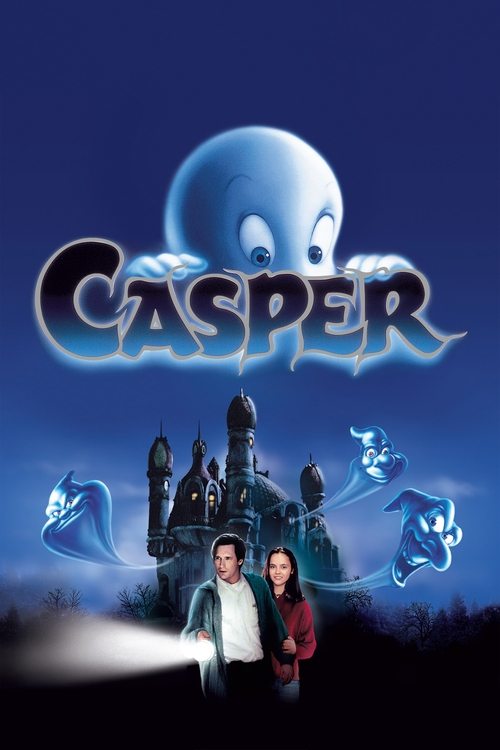
Casper
Casper is a kind young ghost who peacefully haunts a mansion in Maine. When specialist James Harvey arrives to communicate with Casper and his fellow spirits, he brings along his teenage daughter, Kat. Casper quickly falls in love with Kat, but their budding relationship is complicated not only by his transparent state, but also by his troublemaking apparition uncles and their mischievous antics.
Despite a moderate budget of $50.0M, Casper became a commercial success, earning $287.9M worldwide—a 476% return.
5 wins & 5 nominations


Plot Structure
Story beats plotted across runtime


Narrative Arc
Emotional journey through the story's key moments
Story Circle
Blueprint 15-beat structure
Arcplot Score Breakdown
Weighted: Precision (70%) + Arc (15%) + Theme (15%)
Casper (1995) showcases carefully calibrated dramatic framework, characteristic of Brad Silberling's storytelling approach. This structural analysis examines how the film's 15-point plot structure maps to proven narrative frameworks across 1 hour and 40 minutes. With an Arcplot score of 6.7, the film balances conventional beats with creative variation.
Characters
Cast & narrative archetypes

Casper
Kat Harvey
Dr. James Harvey
Carrigan Crittenden
Dibs
Stretch
Stinkie
Fatso
Main Cast & Characters
Casper
Played by Malachi Pearson
A lonely, friendly ghost who longs for companionship and dreams of being human again.
Kat Harvey
Played by Christina Ricci
A teenage girl who befriends Casper while helping her father communicate with ghosts.
Dr. James Harvey
Played by Bill Pullman
A ghost therapist and Kat's father, obsessed with finding his deceased wife's spirit.
Carrigan Crittenden
Played by Cathy Moriarty
A greedy heiress determined to find the treasure hidden in Whipstaff Manor.
Dibs
Played by Eric Idle
Carrigan's cowardly lawyer and reluctant accomplice in her treasure hunt.
Stretch
Played by Joe Nipote
The leader of the Ghostly Trio, Casper's obnoxious uncle who torments the living.
Stinkie
Played by Joe Alaskey
One of the Ghostly Trio, known for his foul odor and crude behavior.
Fatso
Played by Brad Garrett
The third member of the Ghostly Trio, gluttonous and buffoonish.
Structural Analysis
The Status Quo at 1 minutes (1% through the runtime) establishes Casper floats alone through Whipstaff Manor, a lonely ghost yearning for friendship. He watches his uncles terrorize visitors, longing for someone who won't run away screaming. This establishes Casper's isolated existence and his desire for connection.. Significantly, this early placement immediately immerses viewers in the story world.
The inciting incident occurs at 12 minutes when Carrigan hires Dr. Harvey to exorcise the ghosts from Whipstaff Manor so she can search for the rumored treasure. This sets the collision course between the Harvey family and Casper's world, forcing both the living and the dead out of their status quo.. At 12% through the film, this Disruption aligns precisely with traditional story structure. This beat shifts the emotional landscape, launching the protagonist into the central conflict.
The First Threshold at 25 minutes marks the transition into Act II, occurring at 25% of the runtime. This shows the protagonist's commitment to Casper reveals himself to Kat not as a threat but as a potential friend, saying "Can I keep you?" This is the moment Kat chooses to see past her fear and engage with Casper as a person, not a ghost. Both actively choose to pursue friendship across the boundary between life and death., moving from reaction to action.
At 51 minutes, the Midpoint arrives at 51% of the runtime—precisely centered, creating perfect narrative symmetry. The analysis reveals that this crucial beat Kat discovers the Lazarus machine in the manor's basement—a device that can bring the dead back to life. This false victory raises the stakes: there's now a possibility that Casper could become human, and Dr. Harvey could reunite with his wife. But this hope will complicate everything and attract danger., fundamentally raising what's at risk. The emotional intensity shifts, dividing the narrative into clear before-and-after phases.
The Collapse moment at 76 minutes (76% through) represents the emotional nadir. Here, Dr. Harvey dies after falling down a shaft while drunk, becoming a ghost himself. Carrigan also dies in her greed-fueled pursuit of treasure and returns as a vengeful ghost to claim the Lazarus machine. The "whiff of death" is literal—father and daughter are now separated by death itself, and the villain has become unstoppable., demonstrates the protagonist at their lowest point. This beat's placement in the final quarter sets up the climactic reversal.
The Second Threshold at 81 minutes initiates the final act resolution at 81% of the runtime. Casper and his uncles unite to help Kat. Using their ghostly powers, they create a beautiful dress and prepare her for the party. Dr. Harvey (as a ghost) recognizes what truly matters isn't finding his dead wife but being there for his living daughter. The synthesis: love transcends death, and letting go is how we honor the dead., demonstrating the transformation achieved throughout the journey.
Emotional Journey
Casper's emotional architecture traces a deliberate progression across 15 carefully calibrated beats.
Narrative Framework
This structural analysis employs a 15-point narrative structure framework that maps key story moments. By mapping Casper against these established plot points, we can identify how Brad Silberling utilizes or subverts traditional narrative conventions. The plot point approach reveals not only adherence to structural principles but also creative choices that distinguish Casper within the fantasy genre.
Brad Silberling's Structural Approach
Among the 5 Brad Silberling films analyzed on Arcplot, the average structural score is 6.7, demonstrating varied approaches to story architecture. Casper represents one of the director's most structurally precise works. For comparative analysis, explore the complete Brad Silberling filmography.
Comparative Analysis
Additional fantasy films include Thinner, Ella Enchanted and Conan the Barbarian. For more Brad Silberling analyses, see Moonlight Mile, Land of the Lost and City of Angels.
Plot Points by Act
Act I
SetupStatus Quo
Casper floats alone through Whipstaff Manor, a lonely ghost yearning for friendship. He watches his uncles terrorize visitors, longing for someone who won't run away screaming. This establishes Casper's isolated existence and his desire for connection.
Theme
Carrigan Crittenden, upon inheriting Whipstaff Manor, dismisses it saying "The only thing I'm haunting is a waste of my time." Her lawyer Dibs responds with the film's theme about what truly matters beyond material wealth and the importance of unfinished business—both for the living and the dead.
Worldbuilding
Introduction to both worlds: Casper and his cruel uncles (Stretch, Stinkie, Fatso) haunting Whipstaff Manor, and Dr. James Harvey and his daughter Kat traveling the country as "ghost therapists." We learn Kat has lost her mother and her father is obsessed with finding her spirit. Carrigan discovers she's inherited a haunted mansion.
Disruption
Carrigan hires Dr. Harvey to exorcise the ghosts from Whipstaff Manor so she can search for the rumored treasure. This sets the collision course between the Harvey family and Casper's world, forcing both the living and the dead out of their status quo.
Resistance
The Harveys debate whether to take the job at Whipstaff. Kat resists another move and another school. Dr. Harvey promises this is their last case. They arrive at the spooky manor and meet the terrifying Ghostly Trio. Kat is angry about being uprooted again, but they're committed to staying.
Act II
ConfrontationFirst Threshold
Casper reveals himself to Kat not as a threat but as a potential friend, saying "Can I keep you?" This is the moment Kat chooses to see past her fear and engage with Casper as a person, not a ghost. Both actively choose to pursue friendship across the boundary between life and death.
Mirror World
Casper shows Kat his hidden room filled with his childhood memories and toys. He shares his past, revealing he was once a living boy. This relationship becomes the emotional core that will teach both characters about letting go, moving on, and what it means to truly be alive.
Premise
The "fun and games" of a girl befriending a ghost. Casper helps Kat navigate her new school, they bond over being outsiders, and he protects her from his uncles. Dr. Harvey attempts therapy sessions with the Ghostly Trio with comedic results. Kat begins to feel at home, and Casper experiences friendship for the first time in decades.
Midpoint
Kat discovers the Lazarus machine in the manor's basement—a device that can bring the dead back to life. This false victory raises the stakes: there's now a possibility that Casper could become human, and Dr. Harvey could reunite with his wife. But this hope will complicate everything and attract danger.
Opposition
Carrigan learns about the Lazarus machine and becomes obsessed with using it for herself. The Ghostly Trio sabotage Dr. Harvey's therapy by getting him drunk, leading to disaster. Vic (Kat's crush) asks her to the Halloween party. Tensions rise as Carrigan closes in, the uncles grow more chaotic, and both Kat and Casper face the reality that their friendship may be impossible.
Collapse
Dr. Harvey dies after falling down a shaft while drunk, becoming a ghost himself. Carrigan also dies in her greed-fueled pursuit of treasure and returns as a vengeful ghost to claim the Lazarus machine. The "whiff of death" is literal—father and daughter are now separated by death itself, and the villain has become unstoppable.
Crisis
Kat is devastated, alone in the manor on Halloween night. Her father is dead, her dress for the party is ruined, and Casper is missing. She sits in despair, having lost everything. This is her dark night of the soul, confronting mortality, loss, and the unfairness of her life since her mother's death.
Act III
ResolutionSecond Threshold
Casper and his uncles unite to help Kat. Using their ghostly powers, they create a beautiful dress and prepare her for the party. Dr. Harvey (as a ghost) recognizes what truly matters isn't finding his dead wife but being there for his living daughter. The synthesis: love transcends death, and letting go is how we honor the dead.
Synthesis
Kat attends the party where Casper (temporarily human via the Lazarus machine) shares a dance and a kiss with her. Carrigan is defeated when she's tricked into crossing over, choosing treasure over her afterlife. Dr. Harvey is resurrected using the Lazarus machine. The finale resolves all threads: greed is punished, love is rewarded, and sacrifices are made with open eyes.
Transformation
Casper, returned to ghost form after sacrificing his chance at life to save Dr. Harvey, plays happily with Kat in the manor. Unlike the opening where he was desperately alone, he now has a real friend who sees him for who he is. Kat has found home and peace with her father, no longer running from her mother's death but honoring her memory.