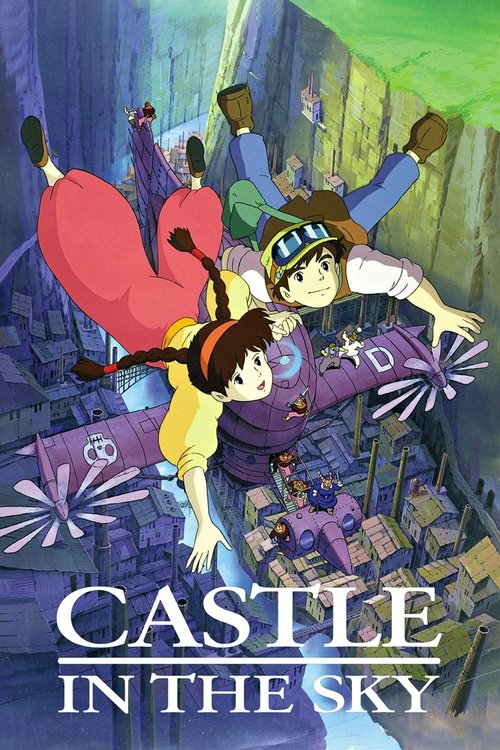
Castle in the Sky
A young boy and a girl with a magic crystal must race against pirates and foreign agents in a search for a legendary floating castle.
Working with a small-scale budget of $3.0M, the film achieved a respectable showing with $5.2M in global revenue (+74% profit margin).


Plot Structure
Story beats plotted across runtime


Narrative Arc
Emotional journey through the story's key moments
Story Circle
Blueprint 15-beat structure
Arcplot Score Breakdown
Weighted: Precision (70%) + Arc (15%) + Theme (15%)
Castle in the Sky (1986) reveals precise dramatic framework, characteristic of Hayao Miyazaki's storytelling approach. This structural analysis examines how the film's 15-point plot structure maps to proven narrative frameworks across 2 hours and 5 minutes. With an Arcplot score of 6.3, the film takes an unconventional approach to traditional narrative frameworks.
Characters
Cast & narrative archetypes

Pazu

Sheeta

Muska
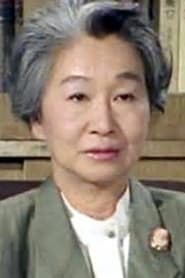
Dola
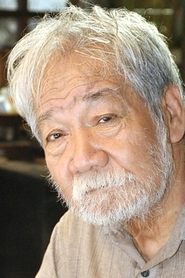
Uncle Pom

General Muoro
Main Cast & Characters
Pazu
Played by Mayumi Tanaka
A young orphan boy working in a mining town who dreams of finding Laputa to honor his father's legacy
Sheeta
Played by Keiko Yokozawa
A mysterious girl with a magical crystal who falls from the sky and holds the key to Laputa
Muska
Played by Minori Terada
A sinister government agent obsessed with finding and controlling Laputa for his own ambitions
Dola
Played by Kotoe Hatsui
The tough and cunning matriarch of the air pirate family who initially pursues Sheeta but becomes an ally
Uncle Pom
Played by Fujio Tokita
A wise old miner and father figure to Pazu who provides guidance and support
General Muoro
Played by Ichiro Nagai
A military commander who works alongside Muska in the hunt for Laputa
Structural Analysis
The Status Quo at 1 minutes (1% through the runtime) establishes Sheeta sits captive aboard a military airship, wearing her mother's crystal necklace, a prisoner of the government agents led by Muska who seek the floating castle of Laputa.. Notably, this early placement immediately immerses viewers in the story world.
The inciting incident occurs at 15 minutes when Sheeta falls from the airship during the pirate attack, plummeting thousands of feet toward certain death as her crystal begins to glow and slow her descent.. At 12% through the film, this Disruption aligns precisely with traditional story structure. This beat shifts the emotional landscape, launching the protagonist into the central conflict.
The First Threshold at 31 minutes marks the transition into Act II, occurring at 25% of the runtime. This shows the protagonist's commitment to Pazu and Sheeta make the active choice to trust each other completely and journey together to find Laputa, with Pazu vowing to protect her as they flee the mining town., moving from reaction to action.
At 63 minutes, the Midpoint arrives at 50% of the runtime—precisely centered, creating perfect narrative symmetry. Significantly, this crucial beat The ancient Laputan robot awakens and goes on a rampage, demonstrating the terrible destructive power of Laputan technology before Sheeta's spell stops it—a false defeat showing the danger they face., fundamentally raising what's at risk. The emotional intensity shifts, dividing the narrative into clear before-and-after phases.
The Collapse moment at 94 minutes (75% through) represents the emotional nadir. Here, Sheeta renounces Pazu to save his life, telling him she never wants to see him again. Pazu is devastated and broken, the whiff of death in their destroyed relationship and abandoned dreams., demonstrates the protagonist at their lowest point. This beat's placement in the final quarter sets up the climactic reversal.
The Second Threshold at 100 minutes initiates the final act resolution at 80% of the runtime. Pazu realizes the truth of Sheeta's sacrifice and makes the synthesis: combining his courage with understanding of what truly matters (people over treasure), he chooses to fly into the heart of danger to save her., demonstrating the transformation achieved throughout the journey.
Emotional Journey
Castle in the Sky's emotional architecture traces a deliberate progression across 15 carefully calibrated beats.
Narrative Framework
This structural analysis employs structural analysis methodology used to understand storytelling architecture. By mapping Castle in the Sky against these established plot points, we can identify how Hayao Miyazaki utilizes or subverts traditional narrative conventions. The plot point approach reveals not only adherence to structural principles but also creative choices that distinguish Castle in the Sky within the adventure genre.
Hayao Miyazaki's Structural Approach
Among the 13 Hayao Miyazaki films analyzed on Arcplot, the average structural score is 5.6, showcasing experimental approaches to narrative form. Castle in the Sky represents one of the director's most structurally precise works. For comparative analysis, explore the complete Hayao Miyazaki filmography.
Comparative Analysis
Additional adventure films include The Black Stallion, The Bad Guys and Puss in Boots. For more Hayao Miyazaki analyses, see Kiki's Delivery Service, My Neighbor Totoro and Howl's Moving Castle.
Plot Points by Act
Act I
SetupStatus Quo
Sheeta sits captive aboard a military airship, wearing her mother's crystal necklace, a prisoner of the government agents led by Muska who seek the floating castle of Laputa.
Theme
Dola tells her sons that the crystal is the key to finding Laputa and unimaginable treasure, establishing the theme of what one seeks (greed vs. heritage, technology vs. nature).
Worldbuilding
Introduction to the steampunk mining world where Pazu works, his dream of finding Laputa to prove his father wasn't a liar, and the sky pirates and government agents both seeking the legendary floating castle.
Disruption
Sheeta falls from the airship during the pirate attack, plummeting thousands of feet toward certain death as her crystal begins to glow and slow her descent.
Resistance
Pazu rescues the floating Sheeta, they flee from both pirates and government agents, hide in the mines, meet Uncle Pom who explains Laputan history, and debate whether to run or seek answers.
Act II
ConfrontationFirst Threshold
Pazu and Sheeta make the active choice to trust each other completely and journey together to find Laputa, with Pazu vowing to protect her as they flee the mining town.
Mirror World
Captured by Dola's pirates, Pazu and Sheeta are tested and ultimately accepted into the pirate family, introducing the found-family subplot that embodies the theme of choosing your legacy.
Premise
The adventure the audience came for: flying with pirates, escaping government forces, Sheeta's capture and Muska revealing her true identity as a Laputan princess, and the crystal's power activating the ancient robot.
Midpoint
The ancient Laputan robot awakens and goes on a rampage, demonstrating the terrible destructive power of Laputan technology before Sheeta's spell stops it—a false defeat showing the danger they face.
Opposition
Muska tightens his grip, using Sheeta as bait to lure Pazu, then forces Sheeta to cooperate by threatening Pazu's life, driving the children apart as he races to reach Laputa and claim its power.
Collapse
Sheeta renounces Pazu to save his life, telling him she never wants to see him again. Pazu is devastated and broken, the whiff of death in their destroyed relationship and abandoned dreams.
Crisis
Pazu returns to Dola's ship in despair, but Dola helps him understand Sheeta's sacrifice, processing his grief and finding new resolve in the depth of their connection.
Act III
ResolutionSecond Threshold
Pazu realizes the truth of Sheeta's sacrifice and makes the synthesis: combining his courage with understanding of what truly matters (people over treasure), he chooses to fly into the heart of danger to save her.
Synthesis
Pazu and the pirates storm Laputa, he resciles with Sheeta, they escape Muska through the castle, confront him in the throne room, and speak the spell of destruction together, choosing to destroy their heritage to save the world.
Transformation
Pazu and Sheeta float safely away as Laputa's core rises to the heavens and the rest crumbles, having chosen each other and the natural world over power and legacy—transformed from dreamers into protectors.