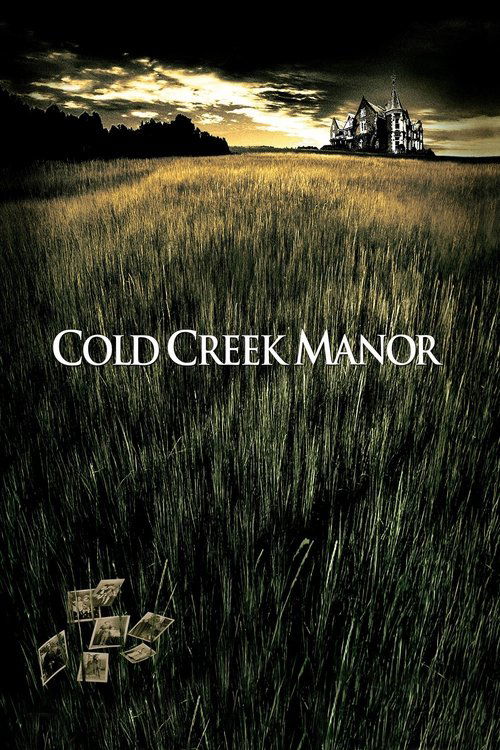
Cold Creek Manor
A family moves from New York into an old mansion in the countryside, still filled with the previous owner's things. As they begin to make it their own, a series of events begin to occur that makes them believe that the former inhabitants are not yet gone.
The film disappointed at the box office against its mid-range budget of $45.0M, earning $29.1M globally (-35% loss). While initial box office returns were modest, the film has gained appreciation for its compelling narrative within the mystery genre.


Plot Structure
Story beats plotted across runtime


Narrative Arc
Emotional journey through the story's key moments
Story Circle
Blueprint 15-beat structure
Arcplot Score Breakdown
Weighted: Precision (70%) + Arc (15%) + Theme (15%)
Cold Creek Manor (2003) reveals meticulously timed story structure, characteristic of Mike Figgis's storytelling approach. This structural analysis examines how the film's 15-point plot structure maps to proven narrative frameworks across 1 hour and 58 minutes. With an Arcplot score of 7.7, the film showcases strong structural fundamentals.
Characters
Cast & narrative archetypes

Cooper Tilson
Leah Tilson
Dale Massie
Ruby
Jesse Tilson
Grady Tilson
Main Cast & Characters
Cooper Tilson
Played by Dennis Quaid
A documentary filmmaker who moves his family to a rural estate to escape city life, only to face threats from the property's former owner.
Leah Tilson
Played by Sharon Stone
Cooper's wife, a successful businesswoman who supports the family's move but grows increasingly concerned about the dangers at Cold Creek Manor.
Dale Massie
Played by Stephen Dorff
The unstable former owner of Cold Creek Manor who becomes obsessed with reclaiming his family's property and terrorizing the Tilson family.
Ruby
Played by Juliette Lewis
Dale's girlfriend, a vulnerable woman trapped in an abusive relationship who provides insight into Dale's dangerous nature.
Jesse Tilson
Played by Kristen Stewart
The Tilson's teenage daughter who adjusts to rural life and becomes aware of the danger threatening her family.
Grady Tilson
Played by Ryan Wilson
The Tilson's young son who explores the manor and discovers disturbing clues about its history.
Structural Analysis
The Status Quo at 1 minutes (1% through the runtime) establishes The Tilson family - Cooper, Leah, and their two children - live a busy, stressful life in New York City. Cooper is a documentary filmmaker constantly working.. The analysis reveals that this early placement immediately immerses viewers in the story world.
The inciting incident occurs at 14 minutes when The near-fatal accident with their daughter in city traffic shakes the family. This traumatic event disrupts their status quo and makes them question their urban life.. At 12% through the film, this Disruption aligns precisely with traditional story structure. This beat shifts the emotional landscape, launching the protagonist into the central conflict.
The First Threshold at 28 minutes marks the transition into Act II, occurring at 23% of the runtime. This indicates the protagonist's commitment to The Tilsons decide to purchase Cold Creek Manor and commit to renovating it. They actively choose to leave their city life behind and embrace this new rural adventure., moving from reaction to action.
At 58 minutes, the Midpoint arrives at 50% of the runtime—precisely centered, creating perfect narrative symmetry. Structural examination shows that this crucial beat Cooper discovers disturbing evidence about Dale's violent past and the mysterious disappearance of Dale's family. The stakes raise dramatically as Cooper realizes they may be in danger, but he has no proof. False defeat: they seem trapped with this threatening presence., fundamentally raising what's at risk. The emotional intensity shifts, dividing the narrative into clear before-and-after phases.
The Collapse moment at 88 minutes (75% through) represents the emotional nadir. Here, Dale attacks the family directly, revealing his murderous intentions. The family's hope of a peaceful country life dies completely. Cooper is beaten and the family is in mortal danger, with the whiff of death as Dale attempts to kill them to reclaim "his" property., illustrates the protagonist at their lowest point. This beat's placement in the final quarter sets up the climactic reversal.
The Second Threshold at 94 minutes initiates the final act resolution at 79% of the runtime. Cooper realizes he must fight back with the same determination Dale uses to defend what he believes is his. The family unites, using knowledge of the property they've gained to turn the tables on Dale., demonstrating the transformation achieved throughout the journey.
Emotional Journey
Cold Creek Manor's emotional architecture traces a deliberate progression across 15 carefully calibrated beats.
Narrative Framework
This structural analysis employs a 15-point narrative structure framework that maps key story moments. By mapping Cold Creek Manor against these established plot points, we can identify how Mike Figgis utilizes or subverts traditional narrative conventions. The plot point approach reveals not only adherence to structural principles but also creative choices that distinguish Cold Creek Manor within the mystery genre.
Mike Figgis's Structural Approach
Among the 3 Mike Figgis films analyzed on Arcplot, the average structural score is 7.3, reflecting strong command of classical structure. Cold Creek Manor represents one of the director's most structurally precise works. For comparative analysis, explore the complete Mike Figgis filmography.
Comparative Analysis
Additional mystery films include Lone Star, The Wicker Man and A Soldier's Story. For more Mike Figgis analyses, see Leaving Las Vegas, Internal Affairs.
Plot Points by Act
Act I
SetupStatus Quo
The Tilson family - Cooper, Leah, and their two children - live a busy, stressful life in New York City. Cooper is a documentary filmmaker constantly working.
Theme
After a near-accident where their daughter is almost hit by a car in the city, someone remarks about the dangers of city life and needing a fresh start. The theme of escape and starting over is introduced.
Worldbuilding
Establishing the Tilson family's frantic urban lifestyle, Cooper's career as a documentarian, Leah's work, their children Jesse and Kristen, and the incident that catalyzes their decision to leave the city.
Disruption
The near-fatal accident with their daughter in city traffic shakes the family. This traumatic event disrupts their status quo and makes them question their urban life.
Resistance
The Tilsons debate leaving the city, search for properties in the country, and discover Cold Creek Manor - a massive, run-down estate. They consider whether this dramatic change is right for their family.
Act II
ConfrontationFirst Threshold
The Tilsons decide to purchase Cold Creek Manor and commit to renovating it. They actively choose to leave their city life behind and embrace this new rural adventure.
Mirror World
Dale Massie, the former owner's son just released from prison, appears at the property. He represents the dark history of the house and becomes the thematic mirror - what happens when you abandon your responsibilities and let rage consume you.
Premise
The promise of the premise: the family explores their new country life, renovates the manor, discovers mysterious items left by previous owners, and Dale ingratiates himself as a handyman, slowly revealing his unstable nature.
Midpoint
Cooper discovers disturbing evidence about Dale's violent past and the mysterious disappearance of Dale's family. The stakes raise dramatically as Cooper realizes they may be in danger, but he has no proof. False defeat: they seem trapped with this threatening presence.
Opposition
Dale's behavior becomes increasingly menacing and possessive of the property. He manipulates situations, makes veiled threats, and his presence creates escalating tension. The family's attempt to investigate and protect themselves becomes more desperate.
Collapse
Dale attacks the family directly, revealing his murderous intentions. The family's hope of a peaceful country life dies completely. Cooper is beaten and the family is in mortal danger, with the whiff of death as Dale attempts to kill them to reclaim "his" property.
Crisis
The darkest moment as the family fights for survival. They must confront the reality that their dream has become a nightmare and they may not escape alive.
Act III
ResolutionSecond Threshold
Cooper realizes he must fight back with the same determination Dale uses to defend what he believes is his. The family unites, using knowledge of the property they've gained to turn the tables on Dale.
Synthesis
The finale confrontation where the Tilsons fight Dale throughout the manor. Cooper uses his documentarian skills to uncover final evidence, and the family works together to survive and defeat Dale, ultimately causing his death.
Transformation
The family, bloodied but alive, stands together outside Cold Creek Manor. Unlike the opening where they were fragmented by city stress, they are now unified by surviving together. They have learned that home isn't a place but the family unit itself.