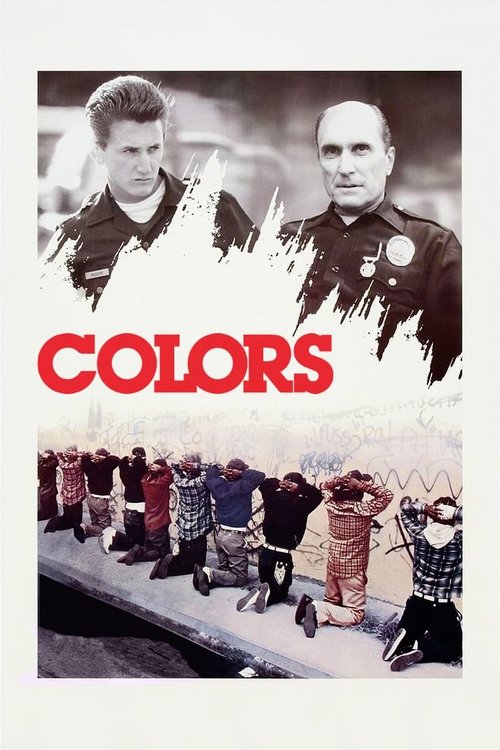
Colors
A confident young cop is shown the ropes by a veteran partner in the dangerous gang-controlled barrios of Los Angeles, where the gang culture is enforced by the colors the members wear.
Despite its small-scale budget of $6.0M, Colors became a commercial juggernaut, earning $46.6M worldwide—a remarkable 677% return. The film's bold vision attracted moviegoers, confirming that strong storytelling can transcend budget limitations.
1 win & 1 nomination


Plot Structure
Story beats plotted across runtime


Narrative Arc
Emotional journey through the story's key moments
Story Circle
Blueprint 15-beat structure
Arcplot Score Breakdown
Weighted: Precision (70%) + Arc (15%) + Theme (15%)
Colors (1988) demonstrates meticulously timed narrative design, characteristic of Dennis Hopper's storytelling approach. This structural analysis examines how the film's 15-point plot structure maps to proven narrative frameworks across 2 hours. With an Arcplot score of 6.9, the film balances conventional beats with creative variation.
Characters
Cast & narrative archetypes

Danny McGavin
Bob Hodges
Louisa Gomez
Frog
Rocket
Main Cast & Characters
Danny McGavin
Played by Sean Penn
Young, hot-headed LAPD officer assigned to the gang crime unit who struggles with his aggressive approach to policing.
Bob Hodges
Played by Robert Duvall
Veteran LAPD officer and Danny's partner who uses diplomacy and street wisdom to navigate gang territories.
Louisa Gomez
Played by Maria Conchita Alonso
Young Chicana woman who becomes romantically involved with Danny despite the dangers of his work.
Frog
Played by Don Cheadle
High-ranking Crips gang member who represents the organized crime structure Danny and Bob are fighting.
Rocket
Played by Damon Wayans
Young gang member caught between street life and the escalating violence in South Central LA.
Structural Analysis
The Status Quo at 2 minutes (1% through the runtime) establishes Gang graffiti covers LA walls as violence erupts in the opening sequence. A young man is killed in a drive-by shooting, establishing the brutal reality of gang warfare that the CRASH unit faces daily.. Significantly, this early placement immediately immerses viewers in the story world.
The inciting incident occurs at 15 minutes when A major gang shooting occurs at a birthday party, killing multiple people including children. The stakes escalate dramatically, and the pressure mounts on CRASH to respond. McGavin's aggressive instincts clash with Hodges' measured approach.. At 13% through the film, this Disruption is delayed, allowing extended setup of the story world. This beat shifts the emotional landscape, launching the protagonist into the central conflict.
The First Threshold at 31 minutes marks the transition into Act II, occurring at 26% of the runtime. This indicates the protagonist's commitment to McGavin makes the choice to embrace more aggressive tactics despite Hodges' warnings. During a confrontation with Rocket and his crew, McGavin's volatility nearly causes a riot. He crosses into a more dangerous approach to policing., moving from reaction to action.
At 61 minutes, the Midpoint arrives at 50% of the runtime—precisely centered, creating perfect narrative symmetry. Significantly, this crucial beat False victory: A major bust seems to give CRASH the upper hand. McGavin feels vindicated in his aggressive tactics as they take down several gang members. But this success is hollow—it only escalates the cycle of retaliation rather than breaking it., fundamentally raising what's at risk. The emotional intensity shifts, dividing the narrative into clear before-and-after phases.
The Collapse moment at 90 minutes (75% through) represents the emotional nadir. Here, Hodges is shot and killed during a routine traffic stop by a gang member. The mentor dies, leaving McGavin alone to process everything Hodges tried to teach him. The "whiff of death" is literal—the voice of wisdom is silenced., demonstrates the protagonist at their lowest point. This beat's placement in the final quarter sets up the climactic reversal.
The Second Threshold at 95 minutes initiates the final act resolution at 79% of the runtime. McGavin realizes he must choose: continue the cycle of violence that killed Hodges, or honor his mentor by breaking it. He synthesizes Hodges' wisdom with his own passion, understanding that aggression alone perpetuates the problem., demonstrating the transformation achieved throughout the journey.
Emotional Journey
Colors's emotional architecture traces a deliberate progression across 15 carefully calibrated beats.
Narrative Framework
This structural analysis employs systematic plot point analysis that identifies crucial turning points. By mapping Colors against these established plot points, we can identify how Dennis Hopper utilizes or subverts traditional narrative conventions. The plot point approach reveals not only adherence to structural principles but also creative choices that distinguish Colors within the action genre.
Dennis Hopper's Structural Approach
Among the 2 Dennis Hopper films analyzed on Arcplot, the average structural score is 6.8, demonstrating varied approaches to story architecture. Colors represents one of the director's most structurally precise works. For comparative analysis, explore the complete Dennis Hopper filmography.
Comparative Analysis
Additional action films include The Bad Guys, Puss in Boots and Venom: The Last Dance. For more Dennis Hopper analyses, see Easy Rider.
Plot Points by Act
Act I
SetupStatus Quo
Gang graffiti covers LA walls as violence erupts in the opening sequence. A young man is killed in a drive-by shooting, establishing the brutal reality of gang warfare that the CRASH unit faces daily.
Theme
Hodges tells McGavin about dealing with gang members: "You don't go charging in like John Wayne. You gotta finesse these people." The central conflict between aggressive force and patient wisdom is stated.
Worldbuilding
Introduction to the CRASH anti-gang unit and the landscape of gang-controlled LA. Hodges, a veteran cop weeks from retirement, is partnered with Danny McGavin, an aggressive young officer. Their contrasting approaches are established through patrol scenes.
Disruption
A major gang shooting occurs at a birthday party, killing multiple people including children. The stakes escalate dramatically, and the pressure mounts on CRASH to respond. McGavin's aggressive instincts clash with Hodges' measured approach.
Resistance
Hodges attempts to mentor McGavin in the nuances of gang intervention. They debate tactics: McGavin wants to go in hard, Hodges counsels patience and intelligence-gathering. The partnership is tested as violence continues to escalate around them.
Act II
ConfrontationFirst Threshold
McGavin makes the choice to embrace more aggressive tactics despite Hodges' warnings. During a confrontation with Rocket and his crew, McGavin's volatility nearly causes a riot. He crosses into a more dangerous approach to policing.
Mirror World
McGavin meets Louisa Gomez, a young Chicana woman who represents life outside the gang violence. Their relationship develops as a humanizing subplot that will eventually teach McGavin about the community he's supposed to protect.
Premise
The daily grind of CRASH operations: surveillance, arrests, confrontations with gang leaders like Rocket and Frog. McGavin and Hodges navigate the war zone of East LA, with McGavin slowly learning from Hodges while still pushing his aggressive approach.
Midpoint
False victory: A major bust seems to give CRASH the upper hand. McGavin feels vindicated in his aggressive tactics as they take down several gang members. But this success is hollow—it only escalates the cycle of retaliation rather than breaking it.
Opposition
Gang violence intensifies in response to police pressure. Rocket and the gangs become more brazen and dangerous. McGavin's relationship with Louisa deepens but is threatened by his inability to see beyond the badge. Hodges' warnings prove increasingly prescient.
Collapse
Hodges is shot and killed during a routine traffic stop by a gang member. The mentor dies, leaving McGavin alone to process everything Hodges tried to teach him. The "whiff of death" is literal—the voice of wisdom is silenced.
Crisis
McGavin grapples with Hodges' death. He attends the funeral and reflects on his partner's approach. His rage wars with the lessons he learned. Louisa tries to reach him but he's consumed by grief and anger.
Act III
ResolutionSecond Threshold
McGavin realizes he must choose: continue the cycle of violence that killed Hodges, or honor his mentor by breaking it. He synthesizes Hodges' wisdom with his own passion, understanding that aggression alone perpetuates the problem.
Synthesis
McGavin confronts the gang members but chooses a different path than pure vengeance. He works the system, using intelligence and restraint. The finale shows him taking on a new partner, positioned as Hodges was—the experienced officer who must now teach.
Transformation
McGavin watches his new young hothead partner with the same weary concern Hodges once showed him. The cycle continues, but McGavin has transformed from the aggressive rookie into the measured mentor. The walls are still covered in graffiti—the war hasn't ended, but he's changed.