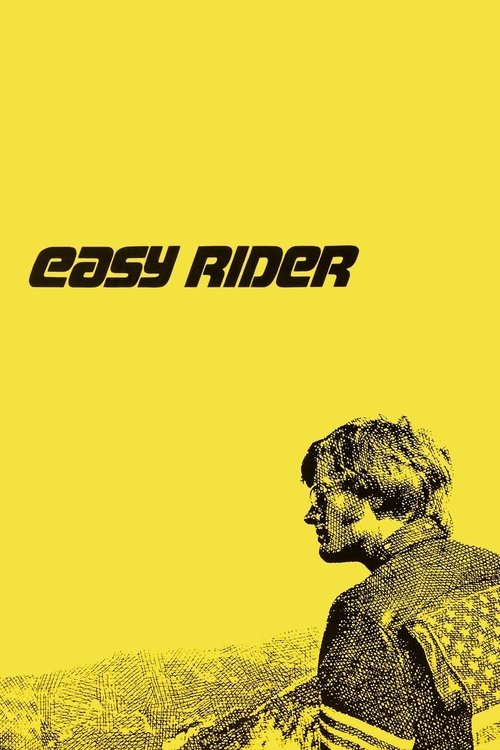
Easy Rider
Wyatt and Billy, two Harley-riding hippies, complete a drug deal in Southern California and decide to travel cross-country in search of spiritual truth.
Despite its extremely modest budget of $400K, Easy Rider became a runaway success, earning $60.0M worldwide—a remarkable 14900% return. The film's distinctive approach found its audience, showing that strong storytelling can transcend budget limitations.
Nominated for 2 Oscars. 11 wins & 14 nominations


Plot Structure
Story beats plotted across runtime


Narrative Arc
Emotional journey through the story's key moments
Story Circle
Blueprint 15-beat structure
Arcplot Score Breakdown
Weighted: Precision (70%) + Arc (15%) + Theme (15%)
Easy Rider (1969) exemplifies meticulously timed narrative design, characteristic of Dennis Hopper's storytelling approach. This structural analysis examines how the film's 15-point plot structure maps to proven narrative frameworks across 1 hour and 35 minutes. With an Arcplot score of 6.8, the film balances conventional beats with creative variation.
Characters
Cast & narrative archetypes

Wyatt
Billy
George Hanson
Main Cast & Characters
Wyatt
Played by Peter Fonda
A free-spirited biker known as "Captain America" who seeks freedom and self-discovery across America after a drug deal.
Billy
Played by Dennis Hopper
Wyatt's impulsive and cynical riding companion who is more concerned with material success than spiritual freedom.
George Hanson
Played by Jack Nicholson
An alcoholic ACLU lawyer who joins the bikers briefly, representing the conflict between conventional society and counterculture.
Structural Analysis
The Status Quo at 1 minutes (1% through the runtime) establishes Wyatt and Billy complete a cocaine deal with a Mexican supplier and an American connection, stuffing cash into a tube hidden in Wyatt's American-flag gas tank. Their world: outlaws with a plan.. The analysis reveals that this early placement immediately immerses viewers in the story world.
The inciting incident occurs at 11 minutes when A rancher refuses them gas and food, their first taste of rejection. Soon after, a small-town motel turns them away. The road they thought was free reveals its hostility to outsiders.. At 12% through the film, this Disruption aligns precisely with traditional story structure. This beat shifts the emotional landscape, launching the protagonist into the central conflict.
The First Threshold at 24 minutes marks the transition into Act II, occurring at 25% of the runtime. This illustrates the protagonist's commitment to Wyatt and Billy leave the commune and continue toward New Orleans, choosing the road over settlement. Their active choice: they will see their journey through to Mardi Gras, whatever comes., moving from reaction to action.
At 48 minutes, the Midpoint arrives at 50% of the runtime—precisely centered, creating perfect narrative symmetry. Structural examination shows that this crucial beat George is beaten to death by locals while they camp. False defeat: what seemed like an adventure becomes deadly serious. The stakes are raised—this journey could cost them their lives. The fun and games are over., fundamentally raising what's at risk. The emotional intensity shifts, dividing the narrative into clear before-and-after phases.
The Collapse moment at 71 minutes (75% through) represents the emotional nadir. Here, By the campfire after Mardi Gras, Wyatt tells Billy, "We blew it." The dream dies. They have money and freedom but realize they've failed to find meaning or genuine liberation. The whiff of death: their entire mission was hollow from the start., illustrates the protagonist at their lowest point. This beat's placement in the final quarter sets up the climactic reversal.
The Second Threshold at 76 minutes initiates the final act resolution at 80% of the runtime. Two rednecks in a pickup truck pull alongside them on a highway. One says, "Want me to scare 'em?" The decision to menace the riders marks the threshold into the final act—violence erupts from American fear and hatred., demonstrating the transformation achieved throughout the journey.
Emotional Journey
Easy Rider's emotional architecture traces a deliberate progression across 15 carefully calibrated beats.
Narrative Framework
This structural analysis employs a 15-point narrative structure framework that maps key story moments. By mapping Easy Rider against these established plot points, we can identify how Dennis Hopper utilizes or subverts traditional narrative conventions. The plot point approach reveals not only adherence to structural principles but also creative choices that distinguish Easy Rider within the adventure genre.
Dennis Hopper's Structural Approach
Among the 2 Dennis Hopper films analyzed on Arcplot, the average structural score is 6.8, demonstrating varied approaches to story architecture. Easy Rider takes a more unconventional approach compared to the director's typical style. For comparative analysis, explore the complete Dennis Hopper filmography.
Comparative Analysis
Additional adventure films include The Black Stallion, The Bad Guys and Puss in Boots. For more Dennis Hopper analyses, see Colors.
Plot Points by Act
Act I
SetupStatus Quo
Wyatt and Billy complete a cocaine deal with a Mexican supplier and an American connection, stuffing cash into a tube hidden in Wyatt's American-flag gas tank. Their world: outlaws with a plan.
Theme
Wyatt tosses his wristwatch into the desert before they ride toward New Orleans. The rejection of conventional time and society's constraints establishes the thematic question: Can you truly be free in America?
Worldbuilding
The open road: Wyatt and Billy ride east through the Southwest, encountering the vast American landscape. We establish their lifestyle, their bikes, their mission to reach New Orleans for Mardi Gras, and the tension between freedom and society.
Disruption
A rancher refuses them gas and food, their first taste of rejection. Soon after, a small-town motel turns them away. The road they thought was free reveals its hostility to outsiders.
Resistance
They help a rancher fix a flat tire and share a meal with his family, offering a glimpse of alternative community. They pick up a hitchhiker who leads them to a commune, where they're welcomed but remain observers, not participants. The debate: settle or keep moving?
Act II
ConfrontationFirst Threshold
Wyatt and Billy leave the commune and continue toward New Orleans, choosing the road over settlement. Their active choice: they will see their journey through to Mardi Gras, whatever comes.
Mirror World
George Hanson (Jack Nicholson), a drunken ACLU lawyer, joins them in jail after they're arrested for "parading without a permit." George represents the film's thematic counterpoint: a man inside the system who understands its failures and yearns for the freedom they represent.
Premise
The promise of the premise: three riders on the open road, George philosophizing about freedom and fear, attempting to eat in hostile diners, smoking pot under the stars, bonding. This is the America they hoped to find—camaraderie and possibility.
Midpoint
George is beaten to death by locals while they camp. False defeat: what seemed like an adventure becomes deadly serious. The stakes are raised—this journey could cost them their lives. The fun and games are over.
Opposition
Haunted by George's death, Wyatt and Billy press on to New Orleans. They find Mardi Gras, pick up prostitutes, drop acid in a cemetery. The celebration turns nightmarish and empty. The hostility of America and their own purposelessness close in. Every moment reveals the hollowness of their quest.
Collapse
By the campfire after Mardi Gras, Wyatt tells Billy, "We blew it." The dream dies. They have money and freedom but realize they've failed to find meaning or genuine liberation. The whiff of death: their entire mission was hollow from the start.
Crisis
They ride on in silence through the rural South, defeated but still moving. The weight of George's murder and their own emptiness hangs over them. No new resolve emerges—only resignation and the rhythm of the road.
Act III
ResolutionSecond Threshold
Two rednecks in a pickup truck pull alongside them on a highway. One says, "Want me to scare 'em?" The decision to menace the riders marks the threshold into the final act—violence erupts from American fear and hatred.
Synthesis
The redneck fires a shotgun at Billy, hitting him. Wyatt rides for help but returns. The second blast kills Wyatt. His bike explodes in flames on the roadside. The finale: America violently rejects those who seek freedom outside its norms.
Transformation
Aerial shot pulls back from the burning wreckage on an empty highway, smoke rising into the sky. The closing image mirrors the opening freedom of the road but shows annihilation. The dream of freedom ends in flames.